Post Your Needs

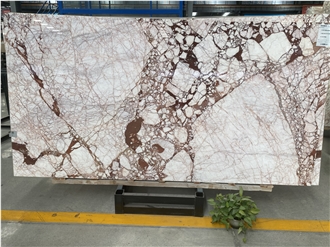
Calacatta Burgundy Marble

Marble

Turkey

About

Item Details

Material Type:
Marble
Origin:
Turkey
Recommended Usage:
Kitchen and bathroom countertops, building stone, ornamental stone, stairs, interior wall and floor applications, mosaic, waterjet pattern, wall panels, table tops, columns, wall and pool copings, fireplaces
Additional Names:
Bvlgari Marble, New Bvlgari Marble, Calacatta Violet Marble, Bulgari Marble, Red Burberry Marble, Burberry Pink Marble, Viola Red Marble, Arabescato Rosso Marble, in China stone market: 巴宝莉(Bābǎolì), Calacatta Burgundy Marble
Finished Surface:
Polished,Bush Hammered,Tumbled,Brushed,Honed,Split,Machine Cut,Natural Surface,Sandblasted,Combed,Leathered,Water Jet,Filled,Chiseled,Pickling

Testing

Density:
2700 - 2750 kg/m3
Flexural Strength:
6000 to 7000 psi (41.4 - 48.3 MPa)

Description

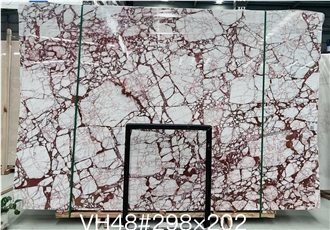
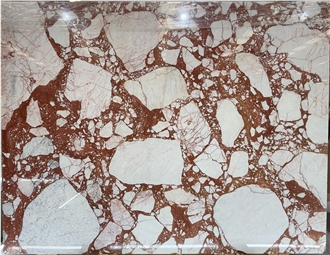
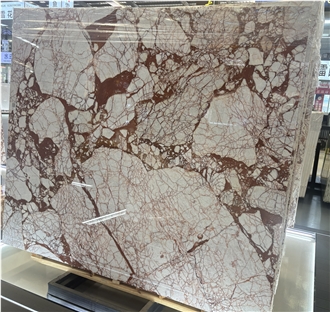
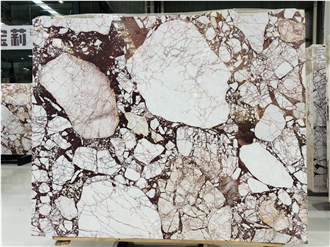
Calacatta Burgundy Marble is a visually stunning natural stone that showcases a rich spectrum of brecciated patterns. Quarried in Turkey, this marble features a rare and bold crimson hue that sets it apart from more traditional stones. Its striking composition consists of ivory white clasts—large fragments of the marble—suspended against a deep red backdrop, creating a dynamic contrast that draws the eye. Fine veining elegantly weaves through the stone, further enhancing its intricate appearance. This marble's vibrant color palette, coupled with its sophisticated texture, makes it an excellent choice for luxury interiors, exuding elegance and opulence.

Mineralogical Composition of Calacatta Burgundy Marble % wt:

  • Calcite: 95%
  • Dolomite: 3%
  • Quartz: 1%
  • Other minerals: 1%

Chemical Analysis of Calacatta Burgundy Marble

  • Calcium carbonate (CaCO3): 95-98%
  • Magnesium carbonate (MgCO3): 2-5%
  • Silica (SiO2): 0.5-1%
  • Alumina (Al2O3): 0.1-0.5%
  • Iron oxide (Fe2O3): <0.5%
  • Trace elements: <0.1% (e.g. potassium, sodium, titanium)

FAQ

How can I repair the scratched surface of the Calacatta Burgundy Marble steps?

Repairing scratched Calacatta Burgundy Marble steps involves several steps to restore their appearance. Heres a general guide you can follow: 1. **Assess the Damage**: Determine the extent of the scratches. Light, superficial scratches can be treated differently than deep ones. 2. **Clean the Surface**: Begin by thoroughly cleaning the marble with a pH-neutral cleaner specifically designed for marble. Rinse well and let it dry completely. 3. **Sand the Surface**: - For light scratches, use a fine-grit sandpaper (800 to 1000 grit) and gently sand the scratched area in a circular motion. - For deeper scratches, start with a lower grit (around 400) and move to finer grits as needed. Always sand in a gentle, circular pattern to blend the scratches with the rest of the marble surface. 4. **Polish the Marble**: - Once the scratches are smoothed out, polish the surface using a marble polishing powder or a marble polishing compound. - Apply the polishing powder with a damp cloth or a low-speed polisher fitted with a felt pad. 5. **Buff the Marble**: - Use a clean, dry cloth or a buffing pad to buff the polished area for a shiny finish. This will also help blend the repair area with the rest of the step. 6. **Seal the Marble**: - To protect the marble from future damage, apply a high-quality marble sealer. Follow the manufacturers instructions for application. 7. **Regular Maintenance**: - To help maintain the appearance of your marble steps, clean them regularly with a pH-neutral cleaner and avoid using acidic or abrasive substances. If the damage is extensive or if youre not comfortable doing the repair yourself, its advisable to consult with or hire a professional specializing in marble restoration. They can provide a more comprehensive solution, including honing and polishing to restore the marbles original beauty.

Can I mix cleaning vinegar and Dawn dish soap together to clean a Calacatta Burgundy Marble countertop?

Its not recommended to use vinegar, even cleaning vinegar, or any acidic substances on marble surfaces, including Calacatta Burgundy Marble. Marble is a natural stone that contains calcium carbonate, which can react with acids and result in etching or dulling of the surface. Vinegar, being acidic, can damage the polished finish of the marble. Using dish soap like Dawn is generally safe, but it should be diluted with water. For cleaning marble countertops, stick to a pH-neutral cleaner or a mild, non-abrasive dish soap mixed with water. Use a soft cloth or sponge to gently clean the surface, and rinse thoroughly with water. Always dry the surface with a soft towel to prevent water spots. If you want to make your own cleaner, you can mix a small amount of Dawn dish soap with warm water in a spray bottle. Avoid using any harsh or acidic cleaners, and make sure to clean up any spills, especially acidic ones, immediately to protect the marble surface.

Can Calacatta Burgundy Marble be used as paving stone in areas with heavy snowfall in winter? Is it frost-resistant?

Calacatta Burgundy Marble, like most marbles, is generally not ideal for use as paving stones in areas with heavy snowfall and freeze-thaw cycles. Marble is a metamorphic rock primarily composed of calcite, which is susceptible to acid erosion, staining, and physical wear. In snowy and freezing conditions, the primary concern is frost resistance. While some marbles can have a degree of frost resistance, they are typically not as durable as other stone options like granite. The repeated freeze-thaw cycles can cause the marble to crack or spall over time. Additionally, the use of salt or chemical de-icers can further damage marble surfaces. Therefore, if youre considering using Calacatta Burgundy Marble as paving stone in an area with heavy snowfall, it would be wise to consult with a stone specialist or engineer who can assess its suitability and perhaps recommend treatments or alternative materials that are better suited to such conditions, such as granite or certain frost-resistant engineered stones.

If I use Calacatta Burgundy Marble as a bar countertop, will alcoholic drinks damage its surface over time?

Using Calacatta Burgundy Marble as a bar countertop can create a luxurious and elegant look. However, its important to note that marble is a natural stone that is relatively porous and prone to etching and staining, especially from acidic substances such as alcoholic drinks. Heres what you should consider: 1. **Porosity**: Marble can absorb liquids, which might lead to staining. Drinks like red wine or cocktails with acidic mixers can potentially stain the marble if not wiped up immediately. 2. **Acid Sensitivity**: Marble is composed mainly of calcium carbonate, which can react with acids. This reaction can cause etching, a type of surface damage that results in a dull, rough spot. Many alcoholic drinks, particularly those mixed with citrus juices or sodas, are acidic and might cause etching. 3. **Sealing**: To protect your marble countertop, its essential to properly seal it. A high-quality sealant can help reduce the stone’s porosity and protect against some stains, but it wont make the marble completely stain-proof or etch-proof. 4. **Maintenance**: Regular maintenance is crucial. Clean spills immediately, use coasters and mats to protect the surface, and clean the countertop with pH-neutral cleaners intended for use on natural stone. 5. **Patina**: Over time, marble countertops can develop a patina, which some people find desirable for its character and natural look. However, this involves accepting some wear and imperfections as part of the natural aging process. If you decide to use Calacatta Burgundy Marble for your bar countertop, be prepared to take these precautions and maintain the surface carefully to keep it looking its best over time.

How can I remove mold from Calacatta Burgundy Marble wall tiles?

Removing mold from Calacatta Burgundy Marble wall tiles requires careful attention to avoid damaging the natural stone. Here’s a step-by-step guide to help you clean the tiles safely: 1. **Gather Supplies**: - Mild detergent or a pH-neutral stone cleaner - Soft cloths or microfiber towels - Soft-bristle brush or a non-abrasive sponge - Spray bottle - Optional: Baking soda or hydrogen peroxide (for stubborn mold) 2. **Ensure Ventilation**: - Open windows or use an exhaust fan to ensure adequate ventilation in the area. 3. **Test a Small Area First**: - Before applying any solution to a large area, test it on a small, inconspicuous spot to ensure it doesn’t damage the marble. 4. **Prepare Cleaning Solution**: - Mix warm water with a few drops of mild detergent in a spray bottle. Alternatively, use a stone cleaner specifically designed for marble. 5. **Apply Solution**: - Lightly spray the affected area with the solution. Avoid saturating the stone, as marble is porous and can absorb liquids, potentially leading to damage or staining. 6. **Gently Scrub**: - Use a soft-bristle brush or a non-abrasive sponge to gently scrub the moldy area. Do not use hard scrubbing pads or steel wool, as these can scratch the surface. 7. **Rinse Thoroughly**: - Wipe down the area with a clean, damp cloth to remove any cleaning solution residue. 8. **Dry Completely**: - Use a dry microfiber towel to thoroughly dry the area. Ensuring the marble is dry will help prevent further mold growth. 9. **Address Stubborn Mold (Optional)**: - If mold persists, make a paste with baking soda and a small amount of water, apply it to the area, let it sit for a few hours, then gently scrub and rinse. - Alternatively, use a solution of equal parts water and hydrogen peroxide, spray it on, let it sit briefly, then rinse and dry. 10. **Prevent Future Mold Growth**: - Keep the area dry and ensure proper ventilation to reduce humidity and prevent mold from returning. - Consider applying a marble sealer for added protection, but make sure it’s suitable for Calacatta Burgundy Marble. Always avoid acidic or abrasive cleaners, as they can etch or dull the surface of marble. If the problem is extensive or persistent, consider consulting a professional stone cleaning service.

Will a hot pot leave a mark on a Calacatta Burgundy Marble kitchen countertop?

Yes, placing a hot pot directly on a Calacatta Burgundy Marble kitchen countertop can potentially leave a mark. Marble is a natural stone that is softer and more porous compared to other countertop materials like granite or quartz. It is susceptible to heat damage, which can result in discoloration or thermal shock. To protect your marble countertop, its advisable to use trivets, hot pads, or heat-resistant mats to prevent direct contact between hot cookware and the marble surface.

How can I make my Calacatta Burgundy Marble floor tiles shine again?

To make your Calacatta Burgundy Marble floor tiles shine again, you can follow these steps: 1. Clean the floor thoroughly with a mild detergent and warm water to remove any dirt and grime. You can also use a pH-neutral stone cleaner specifically designed for marble. 2. Rinse the floor with clean water to remove any residue from the cleaning solution. 3. Dry the floor completely with a clean microfiber cloth or towel to prevent streaks and water spots. 4. Once the floor is dry, apply a marble polish or sealer specifically designed for Calacatta marble. Follow the manufacturers instructions for application and drying time. 5. Use a clean, dry microfiber cloth to buff the marble tiles until they shine. 6. For ongoing maintenance, regularly sweep or vacuum the floor to remove dirt and debris, and clean up spills promptly to prevent staining. By following these steps, you can restore the shine to your Calacatta Burgundy Marble floor tiles and keep them looking beautiful for years to come.

What backsplash tile looks good with Calacatta Burgundy Marble countertop?

There are several backsplash tile options that complement Calacatta Burgundy Marble countertops. Some popular choices include: 1. Subway tile: Classic white subway tile would provide a clean and timeless look that pairs well with the elegant veining of the marble countertop. 2. Glass mosaic tile: A glass mosaic tile in a neutral color, such as beige or gray, can add a touch of modern style and texture to the space without competing with the bold veining of the marble. 3. Carrara marble tile: Using Carrara marble tile for the backsplash can create a cohesive look with the Calacatta Burgundy Marble countertop, as both stones have similar white and gray veining. 4. Wood-look tile: A wood-look tile in a light, neutral color can provide a warm and organic contrast to the cool tones of the marble countertop. 5. Metal tile: For a contemporary and industrial look, consider using metal tiles in a brushed nickel or stainless steel finish to complement the veining of the marble. Ultimately, the best backsplash tile for a Calacatta Burgundy Marble countertop will depend on the overall style and color scheme of the kitchen or bathroom. It is recommended to bring samples of the marble countertop to the tile showroom to compare and choose the best option.

Is Calacatta Burgundy Marble stair steps durable?

Yes, Calacatta Burgundy Marble stair steps are durable and well-suited for high-traffic areas. Marble is a natural stone that is known for its strength and longevity, making it an excellent choice for stair steps. Additionally, Calacatta Burgundy Marble is a high-quality and premium variety of marble, known for its elegant appearance and durability. With proper care and maintenance, Calacatta Burgundy Marble stair steps can last for many years.

Does Calacatta Burgundy Marble countertop crack easily?

Calacatta Burgundy Marble is a durable and high-quality material that is less likely to crack easily compared to some other types of marble. However, like all natural stone countertops, it is still susceptible to cracking if not properly cared for and maintained. Proper sealing, avoiding excessive heat exposure, and using cutting boards are important steps to prevent cracking and damage to a Calacatta Burgundy Marble countertop.

Products & Prices

View More

Hot Marble

New Marble

Post Your Request

The request includes:
  1. surface finished, size
  2. quantity required