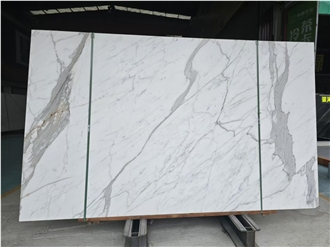
Calacatta Corchia Marble

About
Item Details
- Material Type:
- Marble
- Origin:
Italy (Stazzema, Provincia di Lucca, Toscana) - Primary Color(s):
- White
- Recommended Usage:
- kitchen and bathroom countertops, stairs, building stone, ornamental stone, interior, exterior wall applications, mosaic, waterjet pattern
- Additional Names:
- Calacatta Marble, Calacatta Carrara Marble, Arabescato Corchia Marble, Corchia Venato Marble, in China Stone Market: 大花白(Dà Huābái), Calacatta Corchia Marble
- Finished Surface:
- Polished,Bush Hammered,Tumbled,Brushed,Honed,Split,Machine Cut,Natural Surface,Sandblasted,Acid Washing,Combed,Leathered,Water Jet,Filled,Chiseled,Pickling
Testing
- Water Absorption:
- 0.19 ~ 0.26 %
- Density:
- 2700 kg/m3
- Flexural Strength:
- 13.2 MPa
- Compressive Strength:
- 101.0 MPa
- Stone texture:
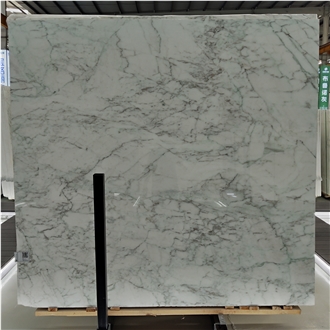
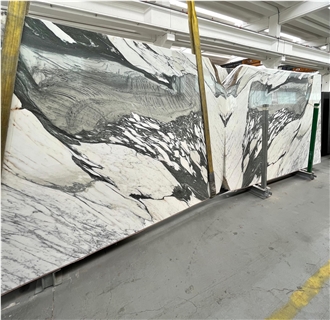
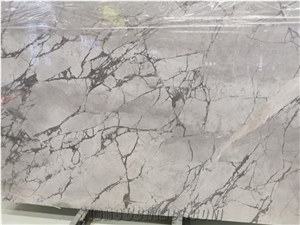
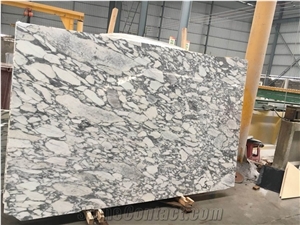
- a premium Italian natural marble known for its elegant white background and distinctive black, grey, or sometimes gold veining. It features a bright white background with bold, flowing veins in shades of gray, black, and sometimes warm gold or blue tones. This striking contrast makes each slab unique.
Description
Calacatta Corchia Marble is a highly sought-after premium natural stone originating from Italy, specifically quarried in Stazzema, Provincia di Lucca, Toscana. Known for its luxurious appearance, it features a bright white background adorned with bold, flowing veins that can range in color from gray and black to occasionally warm gold or blue hues. This striking contrast and the naturally varying patterns make each slab of Calacatta Corchia Marble unique.
Physical and Mechanical Properties:
- Water Absorption: 0.19 ~ 0.26%
- Density: 2700 kg/m³
- Flexural Strength: 13.2 MPa
- Compressive Strength: 101.0 MPa
- Hardness: Comparable to other marbles, moderate; softer than granite.
- Porosity: Low, which contributes to its relative resistance to staining.
- Slip Resistance: Generally low, especially when polished; can be increased with certain finishes like honed or brushed.
Chemical and Mineral Composition (% by Weight):
- Calcium Carbonate (CaCO₃): Typically around 90% or more
- Silica (SiO₂): Minor content
- Magnesium Oxide (MgO): Trace amounts
- Iron Oxide (Fe₂O₃): Contributes to veining patterns, minor quantities
- Aluminum Oxide (Al₂O₃): Present in very small amounts
Usage:
- Interior Flooring and Wall Cladding: Due to its elegance and durability in interior settings.
- Countertops and Bathroom Vanities: Popular for its aesthetic appeal though requires sealing to prevent staining.
- Fireplace Surrounds: Chosen for its ability to withstand heat and add luxury.
- Architectural Features: Columns, stairs, and other decorative elements.
Maintenance:
- Sealing: Requires an impregnating sealer to prevent staining and moisture absorption.
- Cleaning: Use pH-neutral cleaners to avoid etching or dulling the surface.
- Polishing: Regular polishing may be required to maintain shine, especially in high traffic areas.
- Avoid Abrasives: Do not use harsh chemicals or abrasive materials for cleaning.
Cutting Sizes and Surface Finishes:
- Common Cutting Sizes: Varies, but tiles are often available in 30x30 cm, 60x60 cm, and slabs in custom sizes as per requirement.
- Available Surface Finishes:
- Polished: Offers a glossy, reflective surface which enhances the veining contrast.
- Honed: Provides a matte finish, reducing slip risk and glare.
- Brushed/Antiqued: Gives a textured finish with better slip resistance.
- Leathered: A lightly textured and slightly glossy finish that is less slippery than polished.
Calacatta Corchia Marble's distinctive appearance and premium qualities make it a popular choice for upscale projects where aesthetic appeal and classical luxury are primary considerations. However, its maintenance requirements and cost should be taken into account during selection.
FAQ
Calacatta Corchia Marble typically absorbs 0.02-0.3% of water, which is considered low and makes it a good choice for use in wet areas like bathrooms and kitchens.
Is vinegar ok to use on Calacatta Corchia Marble countertop?
It is generally not recommended to use vinegar on marble surfaces, including Calacatta Corchia Marble countertops. Vinegar is acidic and can etch or damage the surface of the marble. It is best to clean marble countertops with a mild dish soap and water solution, or a specialized marble cleaner.
Is polished Calacatta Corchia Marble slippery for stairs?
Polished Calacatta Corchia Marble is generally more slippery compared to other finishes such as honed or brushed. It is recommended to add a non-slip coating or treatment to the marble if using it for stairs to prevent accidents and ensure safety.
Can I put Calacatta Corchia Marble on stairs?
Yes, Calacatta Corchia Marble can be used on stairs. It is a durable and elegant material that is commonly used for staircases in homes and commercial buildings. Make sure to hire a professional installer to ensure the marble is properly installed and sealed to prevent slipping and damage over time.
Does slab backsplash have to match Calacatta Corchia Marble countertop?
It doesnt necessarily have to match, but it is usually recommended to choose a complementary slab backsplash that complements the Calacatta Corchia Marble countertop. This will help create a cohesive and visually appealing overall design in the space. However, ultimately the decision is up to personal preference and style.
Should backsplash be lighter or darker than Calacatta Corchia Marble countertop?
It ultimately depends on personal preference and the overall design aesthetic you are trying to achieve. However, a lighter backsplash typically creates a more cohesive and open feel in the kitchen, while a darker backsplash can add contrast and drama to the space. Consider factors such as the amount of natural light in the room, the color of the cabinets and flooring, and your personal design style when choosing whether to go lighter or darker than the Calacatta Corchia Marble countertop. Ultimately, both lighter and darker options can complement the marble countertop beautifully, so choose the option that best suits your taste and style.
What backsplash goes with Calacatta Corchia Marble countertops?
There are many different options for backsplashes that would complement Calacatta Corchia Marble countertops. Some ideas include:
1. Subway tile in a classic white or light gray color to create a timeless and elegant look.
2. A mosaic tile in shades of gray and white to match the veining in the marble.
3. A metallic or mirrored backsplash to add a touch of glamour and modernity.
4. A solid color glass or ceramic tile in a soft blue or green hue for a pop of color that complements the marble.
5. A natural stone backsplash, such as travertine or quartzite, to create a cohesive and high-end look.
Ultimately, the best backsplash for Calacatta Corchia Marble countertops will depend on your personal style and the overall aesthetic of your kitchen or bathroom. Its important to consider factors such as the color, pattern, and texture of the backsplash in relation to the marble countertops to achieve a cohesive and harmonious design.
Does Calacatta Corchia Marble need to be sealed?
Yes, Calacatta Corchia Marble needs to be sealed in order to protect it from stains, moisture, and everyday wear and tear. Sealing the marble helps to prevent potential damage and extend its lifespan. It is recommended to have the marble sealed by a professional and to reseal it periodically, as the frequency of resealing may depend on the specific conditions and usage of the marble.
How do you maintain Calacatta Corchia Marble?
To maintain Calacatta Corchia Marble, follow these steps:
1. Clean spills immediately: Wipe away any spills or stains on the marble surface as soon as possible to prevent them from penetrating the porous surface. Use a soft cloth or paper towel to blot the spill gently.
2. Use a mild cleaner: Regularly clean the marble with a pH-neutral, non-abrasive cleaner specifically designed for natural stone. Avoid using acidic or abrasive cleaners, as they can damage the surface. Dilute the cleaner in water according to the manufacturers instructions and apply it to the marble with a soft sponge or cloth. Gently scrub the surface in a circular motion, then rinse thoroughly with clean water.
3. Avoid using acidic substances: Do not use citrus cleaners, vinegar, or other acidic substances on Calacatta Corchia Marble, as these can etch or dull the surface.
4. Regularly dust and dry mop: Dust and dry mop the marble surface regularly to remove loose dirt and debris. This helps prevent scratches and keeps the surface looking clean.
5. Seal the marble: Calacatta Corchia Marble is a porous material, so sealing it will help protect it from stains and damage. Follow the manufacturers instructions for the specific sealer you choose. Typically, youll need to apply the sealer evenly using a sponge or cloth, allow it to penetrate the marble for the recommended time, and then wipe off any excess. Its recommended to seal the marble every 6-12 months, or as needed.
6. Use coasters and placemats: To protect the marble from spills, scratches, and heat damage, use coasters, placemats, or trivets under drinks, dishes, and hot cookware.
7. Avoid dragging heavy objects: When rearranging furniture or moving heavy objects, avoid dragging them directly on the marble surface. Lift them instead to prevent scratches or cracks.
8. Repair any damage: If the marble gets chipped, cracked, or damaged, its best to call a professional stone restoration company to repair it. Attempting DIY repairs can often lead to further damage.
By following these maintenance steps, you can keep your Calacatta Corchia Marble looking beautiful and extend its lifespan.
What is the average cost of Calacatta Corchia Marble?
The average cost of Calacatta Corchia Marble can vary depending on factors such as quality, thickness, location, and supplier. However, on average, Calacatta Corchia Marble can range from $150 to $250 per square foot. It is always recommended to obtain quotes from multiple suppliers and compare prices to get the best deal.


2YR