Post Your Needs

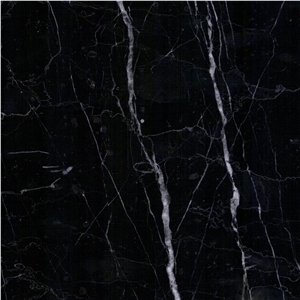
Calacatta Nobile Marble

Marble

Italy

About

Item Details

Material Type:
Marble
Origin:
Italy (Provincia di Lucca, Toscana)
Recommended Usage:
Kitchen and bathroom countertops, wash basins, building stone, ornamental stone, stairs, interior, exterior wall and floor applications, mosaic, waterjet pattern, wall panels, table tops, balustrades, columns, wall and pool copings, pool pavers, fireplaces
Additional Names:
Calacatta Violet Marble, Calacatta Viola Marble
Finished Surface:
Polished,Bush Hammered,Tumbled,Brushed,Honed,Split,Machine Cut,Natural Surface,Sandblasted,Combed,Leathered,Water Jet,Filled,Chiseled,Pickling

Testing

Water Absorption:
0.1 – 0.3% by weight
Density:
2680 – 2710 Kg/m³
Flexural Strength:
12 – 18 MPa
Compressive Strength:
90 – 120 MPa

Description

Calacatta Nobile Marble is an exquisite Italian marble admired for its brilliant white background and dramatic, bold veining. The striking veins naturally vary in tone—from warm peach, coral, and amber to deep grey and black—creating an elegant yet powerful visual impact. Quarried in the marble-rich region of Provincia di Lucca, Tuscany, this stone is a favorite for luxury architectural and interior design projects.

Texture & Pattern

Texture: Fine-grained, compact, and smooth

Pattern:

  • Bold, prominent veining
  • Dynamic movement, often sweeping or flowing
  • Warm-toned mineral intrusions (peach, coral, amber)
  • Occasional contrasting grey or black veins

Appearance: High contrast between white base and richly colored veins, giving a luxurious and sophisticated look

Technical Properties

(Typical Values) (Values may vary slightly depending on block selection.)

  • Density: 2.68 – 2.71 g/cm³
  • Water Absorption: 0.1 – 0.3%
  • Hardness: ~3–4 on Mohs scale
  • Compressive Strength: 90 – 120 MPa
  • Flexural Strength: 12 – 18 MPa
  • Porosity: Low to medium

Chemical Composition (% by weight)

  • CaCO₃ (Calcium Carbonate): 95–98%
  • MgCO₃ (Magnesium Carbonate): 0–2%
  • SiO₂ (Silica / Quartz): 1–3%
  • Fe₂O₃, Al₂O₃, MnO: <1%

Mineral Composition (% by weight)

  • Calcite: 95–98%
  • Quartz: 1–3%
  • Micas / Accessory minerals: <1%

Applications

Ideal for high-end, luxury installations, including:

  • Bathroom vanities, countertops, and showers
  • Feature walls and statement pieces
  • Flooring and interior wall cladding
  • Fireplace surrounds
  • Hotel and residential lobby finishes
  • Designer furniture tops
  • Bespoke architectural details

Maintenance & Care

  • Clean with a soft cloth and pH-neutral stone cleaner
  • Avoid acidic substances (lemon, vinegar, wine)
  • Use cutting boards and coasters to prevent etching
  • Apply stone sealer periodically to protect surface
  • Suitable for interior use; exterior use depends on climate and finishing

FAQ

Does the surface of Calacatta Nobile Marble scratch easily?

Calacatta Nobile Marble is a type of high-end, luxurious marble known for its beautiful veining and aesthetic appeal. Like other marbles, it is a relatively soft stone compared to granite or quartz, and as a result, it can scratch more easily. Marble has a Mohs hardness rating of about 3, which means it can be scratched by harder materials. To minimize scratching, its important to use protective measures such as cutting boards and trivets in the kitchen, and to avoid dragging heavy or sharp objects directly on its surface. Additionally, regular sealing and proper maintenance can help protect the marble and maintain its appearance over time.

Can 1.8cm thick Calacatta Nobile Marble be used as a commercial bar countertop?

Using 1.8 cm thick Calacatta Nobile Marble as a commercial bar countertop is possible, but there are several factors to consider: 1. **Durability**: Marble is a relatively soft and porous natural stone, which makes it susceptible to scratches, stains, and etching, particularly in high-traffic commercial settings. It may require frequent sealing to help protect against these issues. 2. **Support**: At 1.8 cm thickness, the marble is considered relatively thin for a countertop. It may require additional support, such as a plywood substrate, to prevent flexing or cracking, especially for a bar that might experience significant use. 3. **Maintenance**: Regular maintenance is crucial to keep the marble looking its best. This includes sealing, cleaning up spills promptly, and using appropriate cleaning products to avoid damaging the surface. 4. **Aesthetics**: Calacatta marble is renowned for its stunning appearance, featuring bold veining and a luxurious look that can enhance the ambiance of a commercial space. 5. **Cost**: Marble can be expensive, and potential damage or wear can increase long-term costs due to repair or replacement needs. If you choose to use this material, ensure that you work with experienced professionals for installation and maintenance and educate staff on proper care to maximize its lifespan and appearance. Consider whether you can balance these factors against the aesthetic and resale benefits it may offer.

How can I maintain Calacatta Nobile Marble scratched flooring tiles?

Maintaining Calacatta Nobile Marble flooring, particularly if it gets scratched, involves several careful steps. Marble is a beautiful but delicate material, so handling it with care is crucial. Here’s a guide to help you maintain and address scratches on your marble flooring: 1. **Regular Cleaning**: - **Sweep or Vacuum**: Regularly sweep or vacuum to remove dust and debris. Ensure the vacuum is set for hard floors to avoid additional scratches. - **Mop with pH-Neutral Cleaner**: Use a damp mop with a pH-neutral cleaner specifically designed for marble. Avoid acidic or alkaline cleaners as they can damage the stone. 2. **Addressing Scratches**: - **Identify the Scratch Depth**: Light scratches might be removable with simple polishing, whereas deeper ones might require professional help. - **Use Marble Polish**: For light scratches, apply a marble polishing powder. Dampen the floor slightly, sprinkle the powder, and buff using a soft cloth or a buffer machine with a felt pad. - **Buff Gently**: Use a circular motion while buffing, and take care not to apply too much pressure as this might damage the surface further. 3. **Sealing the Marble**: - **Regular Sealing**: Marble is porous and should be sealed regularly to prevent stains and etching. Follow the manufacturer’s instructions on frequency and application. - **Spot Test First**: Test the sealer on an inconspicuous area to ensure it doesn’t alter the marble’s color. 4. **Prevention**: - **Use Rugs and Mats**: Place rugs or mats in high-traffic areas to reduce wear and tear. Ensure these are clean to prevent dirt accumulation. - **Furniture Pads**: Attach pads to the feet of furniture to prevent scratches when moved. 5. **Professional Restoration**: - For deep scratches or extensive damage, it may be best to hire a professional marble restoration service. They have the tools and experience to restore the marble’s original finish. 6. **Avoid Certain Substances**: - Clean up spills promptly, especially acidic liquids like orange juice or wine, to prevent etching. - Avoid using metal objects directly on the surface to prevent additional scratches. By maintaining a regular cleaning and sealing routine and addressing scratches promptly, you can preserve the elegance and longevity of Calacatta Nobile Marble flooring.

Is Calacatta Nobile Marble a suitable choice for facades in cold winter climates?

Calacatta Nobile Marble can be a beautiful choice for many applications, but using it for facades in cold winter climates requires careful consideration. Here are some factors to consider: 1. **Durability**: Marble is generally more porous and softer compared to other stones like granite. It can be susceptible to weathering and damage from freeze-thaw cycles, where water seeps into its pores, freezes, and expands, leading to cracks and other forms of deterioration over time. 2. **Maintenance**: Marble facades in cold climates may require regular maintenance to prevent and repair damage. This can include sealing the marble to reduce its porosity and protect it from moisture ingress. 3. **Aesthetics vs. Practicality**: While marble offers a luxurious and elegant appearance, the practical implications of using it in a harsh climate should be weighed. Constant exposure to harsh conditions may lead to a loss of its polished look and an increased need for repairs and cleaning. 4. **Alternative Materials**: In climates with harsh winters, it might be worth considering more durable materials, such as granite, engineered stone, or high-quality porcelain tiles specifically designed for exterior use. 5. **Installation Expertise**: Proper installation by experienced professionals is crucial. This includes ensuring adequate drainage and using appropriate adhesives and sealants that can withstand temperature fluctuations. 6. **Protective Measures**: If you do choose Calacatta Nobile Marble, consider using protective coatings or implementing design features like overhangs to shield the stone from direct exposure to snow, ice, and rain. Consulting with a local architect or contractor with experience in using natural stone in cold climates can provide valuable insights and recommendations specific to your project location.

How can I repair the scratched surface of the Calacatta Nobile Marble steps?

Repairing scratches on Calacatta Nobile Marble steps involves a few careful steps to ensure the integrity and beauty of the marble is maintained. Here’s how you can do it: 1. **Assess the Damage:** Determine the extent of the scratches. If they are shallow, you may be able to fix them yourself. Deeper scratches or cracks might require a professional. 2. **Clean the Surface:** Before repairing, thoroughly clean the marble steps with a mild, pH-neutral cleaner specifically designed for marble. This removes any dirt, dust, or debris that could interfere with the repair process. Use a soft cloth or sponge to avoid additional scratches and rinse with clean water. 3. **Buffing with Marble Polish:** - For light scratches, use a marble polishing powder. Apply according to the manufacturers instructions, using a damp cloth or a buffing pad. - Rub the polish over the scratched area with a circular motion. You might need to apply some pressure for best results. 4. **Sanding:** If polishing doesn’t remove the scratches, lightly sand the marble with a fine-grit sandpaper (such as 400 to 600 grit). - Wet the sandpaper and the surface to avoid creating marble dust, and gently sand the scratched area. - Always sand in a circular motion and check frequently to avoid damaging the marble. 5. **Polishing:** After sanding, apply a marble polishing compound to restore the shine. Use a soft cloth or a buffing machine if available. Work in small sections for even results. 6. **Sealing:** Once the scratches are removed and the surface polished, consider applying a marble sealant. This will protect the marble from future scratches and stains. 7. **Final Cleaning:** Wipe down the steps with a damp cloth to remove any residue from the polishing and sealing process. 8. **Professional Help:** If the damage is extensive or youre not comfortable with DIY repairs, its best to contact a professional stone restoration specialist. They have the tools and expertise to restore marble surfaces effectively. Always wear protective gear, such as gloves and a mask, during this process to protect yourself from dust and chemicals. Additionally, test any products on a small, inconspicuous area first to ensure they do not damage the marble.

Is Calacatta Nobile Marble with a polished surface good for house flooring?

Calacatta Nobile Marble with a polished surface can be a beautiful choice for house flooring, but there are several factors to consider before making a decision: 1. **Aesthetic Appeal**: Calacatta marble is known for its luxurious look, with distinctive bold veining and a bright white background. It can add an elegant and high-end feel to any space. 2. **Durability**: Marble is a relatively soft stone compared to other flooring materials like granite or quartzite. As a result, its more susceptible to scratching and etching, especially in high-traffic areas. 3. **Maintenance**: Polished marble surfaces require regular maintenance to keep their shine. They can also be prone to staining, so spills (especially acidic substances) should be cleaned immediately. Regular sealing is recommended to reduce porosity and protect the stone. 4. **Slip Resistance**: Polished marble can be slippery, particularly when wet. This is an important consideration for households with children, elderly people, or in areas prone to getting wet, like bathrooms and kitchens. 5. **Cost**: Marble, especially premium types like Calacatta, can be expensive. If budget is a concern, consider whether this investment aligns with your long-term plans for the property. 6. **Environmental Considerations**: Marble flooring can be cold underfoot, which can be a disadvantage in cooler climates. On the flip side, it might be beneficial in warmer climates due to its cooling properties. Ultimately, while Calacatta Nobile Marble can be an excellent choice for flooring if your priorities are aesthetics and luxury, it does require caution and care in use and maintenance. Consider your lifestyle and whether your household can accommodate the upkeep that marble flooring demands.

Products & Prices

Hot Marble

New Marble

Post Your Request

The request includes:
  1. surface finished, size
  2. quantity required