Post Your Needs

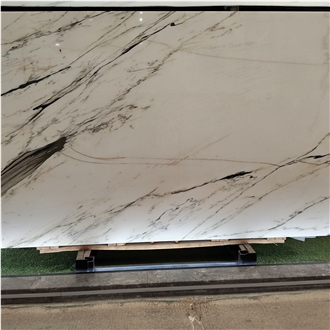
Calacatta Oriental Marble

Marble

China

About

Item Details

Material Type:
Marble
Origin:
China (Shanxi Province)
Recommended Usage:
Kitchen and bathroom countertops, wash basins, building stone, ornamental stone, stairs, interior, exterior wall and floor applications, mosaic, waterjet pattern, wall panels, table tops, balustrades, columns, wall and pool copings, pool pavers, sculptures, fireplaces
Additional Names:
Oriental Calacatta Marble, Calacatta Oriental Marble, Oriental Fish Belly White Marble, Calacatta Venatina Marble, Castro White Marble, China Fish Belly White Marble, in China stone market:东方鱼肚白 (Dōngfāng Yúdù Bái), 中国鱼肚白(Zhōngguó Yúdùbái), Calacatta Oriental Marble
Finished Surface:
Polished,Bush Hammered,Tumbled,Brushed,Honed,Split,Machine Cut,Natural Surface,Sandblasted,Combed,Leathered,Water Jet,Chiseled,Pickling

Testing

Water Absorption:
0.1 – 0.3 % by weight
Density:
2700 – 2750 kg/m³
Flexural Strength:
14 – 18 MPa
Compressive Strength:
100 – 130 MPa

Description

Calacatta Oriental Marble is a premium natural stone that combines the elegance of a pure white or creamy background with bold, dramatic veining in shades of gray, gold, and occasional dark jade green. Its striking appearance and luxurious quality make it a sought-after choice for high-end architectural and interior design projects.

Appearance

Base Color: Bright white to creamy background.

Veining: Prominent, wide, and dramatic veins in gray, black and gold, with occasional inclusions of deep jade-green streaks.

Pattern: Dynamic and bold, creating a sense of movement and sophistication; ideal for book-matching applications.

Texture: Fine-grained crystalline structure with a smooth, polished feel when finished.

Technical Data

(Typical Ranges) (Values may vary depending on quarry block and lab test results)

  • Apparent Density (EN 1936): ~2,700 – 2,750 kg/m³
  • Water Absorption (EN 13755): 0.1 – 0.3 % by weight
  • Open Porosity (EN 1936): 0.2 – 0.5 %
  • Flexural Strength (EN 12372): 14 – 18 MPa
  • Compressive Strength (EN 1926): 100 – 130 MPa
  • Abrasion Resistance (EN 14157): ~20 mm
  • Mohs Hardness: 3 – 4

Chemical Composition

(% by weight, typical ranges)

  • CaCO₃ (Calcium Carbonate): 95 – 97 %
  • SiO₂ (Silica): 1 – 2 %
  • MgCO₃ (Magnesium Carbonate): 0.5 – 1.5 %
  • Fe₂O₃ (Iron Oxide): 0.2 – 0.5 %
  • Al₂O₃ (Alumina): <0.5 %

Applications

  • Flooring (residential & commercial)
  • Wall cladding & interior panels
  • Countertops & vanity tops
  • Fireplace surrounds
  • Luxury bathrooms & spa settings
  • Feature walls & book-matched designs

Maintenance

  • Seal periodically to protect from staining.
  • Clean with pH-neutral stone cleaners; avoid acids.
  • Wipe spills promptly, especially wine, coffee, or oils.
  • Polishing and resealing recommended for high-traffic areas.

Cutting Sizes

Available Slabs: 240–320 cm x 120–200 cm, thickness 1.8 cm, 2 cm, 3 cm

Tiles:

  • 30 x 30 x 1 cm
  • 30 x 60 x 2 cm
  • 60 x 60 x 2 cm
  • Custom cut-to-size on request

Surface Finishes

  • Polished (enhances brightness and veining contrast)
  • Honed (smooth, matte, elegant surface)
  • Leathered (textured feel, modern look)
  • Sawn cut or brushed (for rustic applications)

FAQ

Does red wine stain the surface of a Calacatta Oriental Marble kitchen countertop?

Yes, red wine can stain the surface of a Calacatta Oriental Marble kitchen countertop. Marble is a porous natural stone and is particularly susceptible to staining from acidic substances, such as red wine. To prevent staining, it is important to clean up spills immediately. You can also apply a sealant to the marble surface, which can help reduce its porosity and protect against stains. Regular maintenance and care are essential to keep marble countertops looking their best.

Is polished Calacatta Oriental Marble mosaic flooring slippery for bathroom use?

Polished Calacatta Oriental Marble can be quite slippery when used as flooring in wet environments like bathrooms. The polished surface has a smooth finish, which increases the risk of slipping, especially when wet. This could be a safety concern in areas that frequently encounter water, such as bathrooms or shower floors. If you love the aesthetic of Calacatta Oriental Marble and are committed to using it, consider some of these precautions to improve safety: 1. **Rugs and Mats:** Use non-slip rugs or mats in strategic areas to provide traction. 2. **Textured Finishes:** Opt for a honed or matte finish instead of a polished one for better grip. 3. **Sealant Additives:** Look into anti-slip sealant additives that can be applied to reduce slipperiness. 4. **Regular Maintenance:** Keep the floor clean and dry to minimize risk. 5. **Strategic Layout:** Use mosaics with smaller pieces, as the increased grout lines can provide more grip. Ultimately, while Calacatta Oriental Marble is beautiful, it is essential to prioritize safety, especially in areas prone to getting wet.

How can I give Calacatta Oriental Marble floor tiles an antique look?

To give Calacatta Oriental Marble floor tiles an antique or aged look, you can consider the following methods: 1. **Acid Etching**: This process involves using a mild acid to etch the surface of the marble, which can mimic natural wear over time. Its important to use the right concentration to avoid damaging the marble. Rinse thoroughly with water after the treatment. 2. **Honing**: Honing the surface can create a matte finish, removing the high polish that makes marble look new. This can be done using a honing powder or with a honing machine. 3. **Tumbling**: Tumbling marble in a large drum with sand and small stones can give it a worn, distressed appearance. This process can soften edges and add texture to the surface. 4. **Applying a Stone Sealer**: Using an enhancing sealer can darken the stone and bring out the veining, giving it an older appearance. Choose a sealer that offers an antiquing effect. 5. **Using Antiquing Wax**: Applying a layer of dark antiquing wax can create a patina on the surface, which mimics the look of age and exposure. 6. **Creating Patina with Natural Stains**: Homemade solutions like tea or coffee can be used to create subtle, natural-looking stains on the marble. 7. **Brushing**: Use a wire brush to gently abrade the surface. This can simulate wear caused by foot traffic over many years and helps in achieving a rustic look. 8. **Combination of Methods**: Sometimes using a combination of these methods gives the best results. For example, you might hon the stone, followed by acid etching, and finish with a dark stone enhancing sealer. Before proceeding with any of these methods, test on a small, inconspicuous area first to ensure you achieve the desired effect without damaging the tiles. Additionally, be mindful of safety precautions, particularly when working with acids or machinery, and consider consulting with or hiring a professional for the best results.

How can I restore the appearance of Calacatta Oriental Marble floors to make them look new again?

Restoring the appearance of Calacatta Oriental Marble floors to make them look new requires a careful approach to cleaning, polishing, and sealing. Here’s a step-by-step guide: 1. **Thorough Cleaning:** - **Sweep and Dust:** Start by sweeping the floor using a soft-bristle broom or a dust mop to remove dust and debris. - **Mop with a Mild Cleaner:** Use a pH-neutral marble cleaner mixed with warm water. Avoid acidic or alkaline cleaners as they can harm the marble. Damp mop the floor, ensuring not to flood it with too much water. - **Remove Stains:** For any stains, make a poultice using baking soda and water, or consult a professional-grade marble stain remover. Apply the poultice, cover with plastic wrap, and let it sit for 24 to 48 hours before gently removing it. 2. **Polishing:** - **Use Marble Polishing Powder:** You can use a specialized marble polishing powder to buff and restore gloss. Follow the manufacturers instructions carefully. Typically, youll sprinkle the powder on the floor, dampen it with water, and buff with a soft cloth or buffer until the desired shine is achieved. - **Buffing Machine:** For large areas, use a low-speed buffing machine with a felt pad. Work in small sections and ensure even application. 3. **Sealing:** - **Choose the Right Sealer:** Select a penetrating sealer specifically for marble, which will help protect the surface from stains. - **Apply the Sealer:** Using a clean, dry cloth or applicator, apply the sealer according to the instructions and allow it to penetrate the marble. Wipe away any excess to avoid hazing. - **Cure:** Let the sealer cure according to the product instructions, usually within 24 to 72 hours, depending on the temperature and humidity. 4. **Regular Maintenance:** - **Frequent Dusting and Mopping:** Regularly dust and mop with a pH-neutral cleaner to maintain the shine and prevent dullness. - **Immediate Spill Clean-up:** Wipe up spills immediately to prevent staining. - **Use Rugs or Mats:** Place mats or rugs in high-traffic areas to reduce wear. 5. **Professional Help:** - If the marble floors are heavily scratched or etching is present, consider hiring professional marble restoration experts who can hone and polish the surface professionally. Always test products in an inconspicuous area before applying to the entire floor to ensure they don’t damage the marble. Additionally, ensure you’re following marble-specific care to maintain the integrity and beauty of the stone.

Can 1.8 cm thick Calacatta Oriental Marble be used for commercial stair steps?

Using 1.8 cm thick Calacatta Oriental Marble for commercial stair steps is possible, but it requires careful consideration of several factors. Commercial environments typically demand materials that are not only aesthetically pleasing but also durable and safe. Here are a few points to consider: 1. **Load-Bearing Capacity**: 1.8 cm may be on the thinner side for stair treads, especially in high-traffic commercial settings where the stairs will encounter more wear and constant use. Consult with a structural engineer or a professional to ensure that this thickness is sufficient to support the expected load without cracking or failing. 2. **Slip Resistance**: Marble can be slippery, especially when polished. For commercial stairs, it is crucial to treat the surface to enhance grip. Options include honing the marble to a matte finish, using anti-slip treatments, or incorporating strips or s that improve traction. 3. **Durability and Maintenance**: Marble is softer than some other stones like granite, making it more susceptible to scratches, etching, and staining. Consider the maintenance needs and ensure there is a plan for regular cleaning and sealing to help protect the stone. 4. **Building Codes**: Ensure compliance with local building codes and regulations regarding staircases. These codes often have specific requirements for tread and riser dimensions and may have guidelines for materials used. 5. **Aesthetics vs. Practicality**: While Calacatta Oriental Marble is highly valued for its beauty and elegance, balance aesthetics with practicality, ensuring that it meets the functional demands of the space it is being used in. To conclude, while 1.8 cm thick Calacatta Oriental Marble can be used for commercial stair steps, it is vital to ensure that all structural, safety, and aesthetic considerations are addressed satisfactorily. Consulting with industry professionals will help determine the best approach for your specific situation.

Do fruit juices stain the surface of Calacatta Oriental Marble countertop?

Yes, fruit juices can stain the surface of a Calacatta Oriental Marble countertop. Marble is a natural stone that is porous and susceptible to etching and staining from acidic substances, including fruit juices. The acids in the juice can react with the calcium carbonate in the marble, causing dull spots or discoloration. It is recommended to clean up spills immediately and consider sealing the marble surface regularly to help protect against staining and etching.

What type of abrasive should be used to sandblast the Calacatta Oriental Marble surface?

When sandblasting a delicate material like Calacatta Oriental Marble, its crucial to use a very gentle abrasive to avoid damaging the surface. Typically, a fine-grade abrasive such as crushed glass, pumice, or even baking soda is recommended. These materials are less aggressive and minimize the risk of etching or scratching the marble. Always start with the lowest pressure setting possible and conduct a small test area to ensure the abrasive is not causing damage. Additionally, consider consulting with a professional or conducting the process under expert supervision to preserve the marbles finish and integrity.

Is 3cm Calacatta Oriental Marble durable enough for use as patio walkway pavers?

Calacatta Oriental Marble is a type of marble known for its beautiful appearance and is commonly used for indoor applications such as countertops, flooring, and wall cladding. However, when it comes to using marble as outdoor pavers, especially for a patio walkway, there are several factors to consider: 1. **Durability**: Marble is a softer and more porous stone compared to other natural stones like granite or quartzite. This makes it more susceptible to scratching, staining, and weather-related damage like chipping or cracking due to freeze-thaw cycles. 2. **Weather Resistance**: Marbles can absorb water, and freeze-thaw cycles could lead to the stone cracking, especially in climates with significant temperature fluctuations. Sealants can help protect the stone, but they need regular reapplication. 3. **Maintenance**: Marble requires more maintenance than harder stones. It needs to be sealed regularly and cleaned with pH-neutral cleaners to preserve its appearance. 4. **Surface Finish**: The slipperiness of polished marble, especially when wet, could be a safety concern for walkway applications. A honed or textured finish might be safer for outdoor use, but even then, caution is advised. 5. **Alternative Options**: If the aesthetic of marble is important, consider using it in protected areas or looking into alternative materials that mimic the appearance of marble but have better durability for outdoor use, such as certain engineered stones or concrete pavers. While 3cm Calacatta Oriental Marble can technically be used for a patio walkway, its not the most recommended material for outdoor use due to its maintenance requirements and lower durability compared to other options. Weather conditions, and the level of foot traffic, should heavily influence your decision.

Does the surface of Calacatta Oriental Marble scratch easily?

Calacatta Oriental Marble, like other marble types, is relatively soft compared to materials such as granite or quartz. This characteristic makes it more susceptible to scratching. While it doesnt scratch extremely easily, care should still be taken to avoid contact with hard, abrasive, or sharp objects. Using cutting boards, avoiding dragging heavy items across the surface, and taking other protective measures can help maintain its pristine appearance. Regular maintenance and sealing can also help protect the marble from scratches and other forms of damage.

Products & Prices

View More

Hot Marble

New Marble

Post Your Request

The request includes:
  1. surface finished, size
  2. quantity required