Post Your Needs

California Gray Marble

Marble

Italy

About

Item Details

Material Type:
Marble
Origin:
Italy (Provincia di Trieste, Friuli-Venezia Giulia)
Recommended Usage:
Kitchen and bathroom countertops, wash basins, building stone, ornamental stone, stairs, interior, exterior wall and floor applications, mosaic, waterjet pattern, wall panels, table tops, balustrades, columns, wall and pool copings, pool pavers, fireplaces
Additional Names:
California Grey Marble, California Grey Limestone, California Gray Limestone, in China stone market:加州灰 (Jiāzhōu Huī)
Finished Surface:
Polished,Bush Hammered,Tumbled,Brushed,Honed,Split,Machine Cut,Natural Surface,Sandblasted,Combed,Leathered,Water Jet,Filled,Chiseled,Pickling

Testing

Water Absorption:
0.4 (vol.%), 1.06 (weight %)
Density:
2585 – 2610 kg/m³
Flexural Strength:
13.4 MPa
Compressive Strength:
143 – 158 MPa

Description

California Gray Marble (Limestone) – Italy

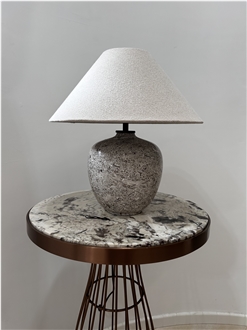
California Gray Marble, although commonly marketed as marble, is geologically and mineralogically a limestone. Quarried in Italy, this stone features earthy grey and taupe tones and visible fossilized imprints, which can include shells, mussels, and snails. These natural fossils give each slab a unique character and a distinctive, organic elegance suitable for a wide range of architectural and decorative applications.

Texture and Pattern:

  • Texture: Fine- to medium-grained, compact limestone structure
  • Pattern: Uniform grey-taupe background with scattered fossilized imprints
  • Appearance: Natural and elegant, with subtle variation from the fossilized patterns

Typical Test Results: (Values may vary slightly depending on quarry layer and batch.)

  • Water Absorption : 0.4 (vol.%), 1.06 (weight %)—
  • Density : 2,585Kg/m³
  • Flexural Strength : 13.4MPa
  • Compressive Strength : 143 – 158MPa
  • Mohs Hardness : 3 – 4—

Chemical Composition (% by weight):

  • CaO : 55 – 60%
  • CO₂ : 40 – 45%
  • MgO1 – 3SiO₂ : 0.5 – 2%
  • Al₂O₃ : 0.1 – 1%

Mineral Composition (% by weight):

  • Calcite : 95 – 98%
  • Dolomite : 1 – 3%
  • Quartz : 0.5 – 2%
  • Fossilized shells / organics : 1 – 2%

Usage:

  • Interior flooring and wall cladding
  • Countertops, vanity tops, and staircases
  • Fireplace surrounds and decorative panels
  • Columns, feature walls, and accent installations

(Recommended mainly for interior use; exterior use requires sealing in freeze–thaw climates.)

Maintenance:

  • Clean with pH-neutral stone cleaner; avoid acids and strong alkalis
  • Seal periodically to maintain surface integrity and prevent staining
  • Avoid abrasive pads or harsh scrubbing to preserve finish

Available Cutting Sizes (cm):

  • Slabs: 250–300 × 120–180 × 2 / 3 cm
  • Tiles: 60×60×2 cm, 60×30×2 cm, 120×60×2 cm, custom sizes available

Surface Finish Options:

  • Polished – high gloss, reflective finish
  • Honed – smooth, matte finish
  • Leathered / Brushed – natural, textured finish
  • Bush-hammered or Sandblasted – decorative or anti-slip finishes

FAQ

Is 5cm thick California Gray Marble durable enough for use as walkway pavers?

California Gray Marble, like other marbles, is generally considered a beautiful and luxurious choice for decorative applications but may not be the most durable option for high-traffic outdoor areas such as walkways. Here are a few considerations: 1. **Durability**: Marble is a softer stone compared to granite or some other materials which means its more susceptible to scratching and etching, especially in outdoor settings where it can be exposed to weather, foot traffic, and potential impacts. 2. **Weather Resistance**: Marble can be sensitive to chemicals and acidic environments, which can cause staining and erosion over time. In areas with freeze-thaw cycles, marble may also be prone to cracking if water penetrates the surface and then freezes. 3. **Maintenance**: Marble usually requires regular maintenance, including sealing to protect it from moisture and stains, as well as cleaning to maintain its appearance. 4. **Thickness**: A 5 cm thick slab provides a decent amount of strength, but the overall durability will still be heavily influenced by how the marble responds to environmental conditions and use. 5. **Design Considerations**: If the aesthetic benefits of California Gray Marble are highly desired, consider using it in areas with lower traffic or combining it with more durable materials. In conclusion, while 5 cm thick California Gray Marble could be used for walkway pavers, it may not be the most practical or durable choice compared to other materials specifically designed to withstand the elements and heavy foot traffic. If you proceed with marble, be prepared for the maintenance and potential for higher wear over time.
Does the surface of California Gray Marble floor tiles scratch easily?

California Gray Marble, like many natural marble stones, is relatively soft compared to other types of flooring materials such as granite or porcelain. While it offers a sophisticated and elegant look, it is more prone to scratching and etching. This means that it can scratch relatively easily, particularly in high-traffic areas or where sharp or heavy objects are used or dragged across the surface. To minimize scratching: 1. **Use Protective Pads:** Place felt or rubber pads under furniture legs to reduce the risk of scratches when moving furniture. 2. **Clean Regularly:** Dust and dirt can act like abrasives underfoot, so regularly sweeping and using a soft mop can help keep the surface clean and reduce scratching. 3. **Use Rugs or Mats:** Place rugs or mats in high-traffic areas or entryways to trap dirt and prevent debris from being tracked onto the marble surface. 4. **Seal the Marble:** Although sealing doesnt prevent scratches, it can help to protect the marble from stains and minor surface damage. 5. **Avoid Harsh Chemicals:** Cleaning with harsh chemicals can damage the surface, making it more susceptible to scratching. Instead, use pH-neutral cleaners specifically designed for marble. By taking these precautions, you can help maintain the appearance and integrity of your California Gray Marble floor tiles.

Can tumbled finish California Gray Marble be used for pool coping?

Tumbled finish California Gray Marble can be used for pool coping, but there are several factors to consider before deciding if its the right choice for your project: 1. **Slip Resistance**: Tumbled finishes offer more traction than polished finishes, making them a better option for wet areas like pool surrounds. However, marble can still be slippery when wet, so its important to ensure that the surface provides adequate slip resistance for safety. 2. **Durability**: Marble is a relatively soft and porous stone compared to some other natural stones like granite. It can be more susceptible to staining, etching, and weathering when exposed to pool chemicals, saltwater, or freeze-thaw cycles. Consider sealing the marble regularly to help protect it from these elements. 3. **Aesthetics**: California Gray Marble has a beautiful appearance that can enhance the overall look of your pool area. The tumbled finish adds a rustic, textured look that some homeowners find appealing. 4. **Maintenance**: Marble requires more maintenance than some other materials. Regular cleaning and resealing are necessary to maintain its appearance and prolong its life. 5. **Climate Considerations**: If you live in an area with freeze-thaw cycles, be cautious. Marble can crack or spall under such conditions, especially if it absorbs water. 6. **Cost**: Marble can be more expensive than other pool coping materials. Ensure that it fits within your budget and consider potential long-term maintenance costs. If you decide to use tumbled finish California Gray Marble for your pool coping, work with a contractor experienced in pool installations and natural stones to ensure proper installation and sealing techniques are employed.

Can California Gray Marble be used as a kitchen countertop?

Yes, California Gray Marble can be used as a kitchen countertop, but there are a few considerations to keep in mind. Marble is a natural stone that offers a classic and elegant appearance, making it a popular choice for countertops. However, it is also a softer and more porous material compared to other stones like granite or quartz. This means it is more susceptible to scratches, stains, and etching from acidic substances such as lemon juice, vinegar, or tomatoes. If you choose to use California Gray Marble for your kitchen countertop, its important to take some precautions: 1. **Sealing:** Make sure the marble is properly sealed to reduce its porosity and make it less prone to staining. Reseal it regularly according to the manufacturers recommendations. 2. **Maintenance:** Clean up spills immediately to prevent etching and staining. Use a pH-neutral cleaner specifically designed for marble. 3. **Protection:** Use cutting boards, trivets, and coasters to protect the surface from scratches and heat damage. 4. **Appearance:** Be prepared for the marble to develop a patina over time, which some people find adds to its beauty and character. Ultimately, while it requires more maintenance and care than some other materials, California Gray Marble can be a stunning choice for a kitchen countertop if you are willing to accept and manage its characteristics.

How can I maintain California Gray Marble honed finish flooring?

Maintaining California Gray Marble with a honed finish requires regular care to preserve its appearance and longevity. Here are some steps you can follow: 1. **Regular Cleaning:** - **Sweep or Vacuum:** Regularly remove dust and debris using a soft broom or a vacuum cleaner with a brush attachment. This prevents scratching from dirt particles. - **Damp Mop:** Use a damp mop with pH-neutral cleaner specifically designed for natural stone. Avoid using acidic or harsh cleaners, as they can etch the marble surface. 2. **Stain Prevention:** - **Wipe Spills Immediately:** Marble is porous, so quickly clean spills to prevent staining. Common culprits like wine, coffee, and oils can penetrate and discolor the stone if not cleaned promptly. - **Use Coasters and Trays:** Protect the marble from acidic beverages or food by using coasters and trays. 3. **Sealing:** - **Check if Sealing is Needed:** Depending on the specific type of marble and its porosity, sealing might be required. To test, place a few drops of water on the surface. If it absorbs quickly, its time to reseal. - **Apply a Penetrating Sealer:** Use a high-quality penetrating sealer designed for marble. Follow the manufacturers instructions for application frequency, typically every 6 to 12 months. 4. **Avoid Abrasive Tools:** - **Use Soft Cloths or Mops:** Avoid scrubbing pads, steel wool, or any abrasive tools that can scratch the surface. - **Caution with Vacuum Cleaners:** When vacuuming, ensure that the wheels and attachments are not harsh to prevent etching the surface. 5. **Protect High-Traffic Areas:** - **Rugs and Mats:** Use rugs or mats in high-traffic areas to minimize wear and tear. Ensure the mats dont have a rubber backing that can trap moisture. 6. **Addressing Stains:** - **Poultices for Stain Removal:** For stubborn stains, a poultice paste made from baking soda and water can be applied. Let it sit on the stain for 24-48 hours, then gently remove it. 7. **Professional Maintenance:** - **Periodic Professional Cleaning or Polishing:** Depending on the traffic and use, you might want to have your floors professionally cleaned or polished to maintain their natural beauty. By following these guidelines, you can help maintain the elegance and durability of your California Gray Marble honed finish flooring.

Is California Gray Marble a suitable choice for facades in cold winter climates?

When considering California Gray Marble for facades in cold winter climates, there are several factors to take into account: 1. **Durability**: Marble is a natural stone that is generally durable, but it is more porous and softer than granite. This means it can be susceptible to weathering and erosion over time, especially in harsh climates. 2. **Freeze-Thaw Cycles**: In cold climates, moisture can seep into the stones pores, and when temperatures drop, the water can freeze and expand. This freeze-thaw cycle can cause cracking or spalling in the marble over time. 3. **Maintenance**: Marble requires maintenance to keep it looking its best, and in cold climates with snow and ice, this might include more frequent cleaning and potential resealing to prevent damage from salts used in de-icing. 4. **Aesthetics and Weathering**: The appearance of marble can change over time. In cold, wet climates, it may weather or develop a patina, which some people find desirable, while others do not. 5. **Cost**: It’s also important to consider that marble is often more expensive than other stone options that might be more suitable for exterior uses in cold climates, like granite or engineered stone. While California Gray Marble can be used for facades in cold climates, it may require more maintenance and care to ensure its longevity and appearance. If durability and reduced maintenance are priorities, it might be worth considering more resilient materials. Additionally, consulting with a local architect or builder who is familiar with the specific climate conditions and building practices in your area can provide more tailored advice.

Products & Prices

Hot Marble

New Marble

Post Your Request

The request includes:
  1. surface finished, size
  2. quantity required

