


 Albania
Which Camouflage White Brown Marble characteristics matter most when selecting stair treads?
When selecting Camouflage White Brown Marble for stair treads, several characteristics should be considered to ensure both aesthetic appeal and functionality:
1. **Durability and Hardness:** Marble can vary in density and resistance to wear. Choosing a marble with high durability ensures the stair treads can withstand foot traffic and last longer.
2. **Slip Resistance:** Safety is paramount for stair treads. Its important to consider the finish of the marble. Polished marble can be slippery, so opting for a honed or textured finish might be safer.
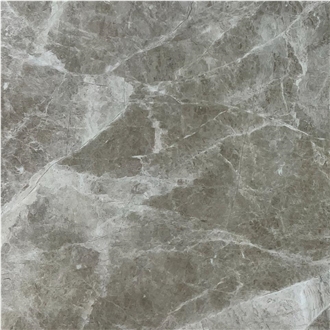
3. **Aesthetic Appeal:** The color and veining of the Camouflage White Brown Marble are central to its visual appeal. Ensure the marble fits with the overall design theme and color scheme of the space.
4. **Consistent Look:** Check for uniformity in the patterns and coloration across the marble slabs to maintain a cohesive look. Natural variations are expected but ensuring they are pleasing is key.
5. **Maintenance Requirements:** Consider how much maintenance the marble will need. Some marbles require regular sealing to prevent staining or etching, so choose one that fits your maintenance capabilities.
6. **Thickness and Size:** The thickness and dimensions of the marble treads should be appropriate for the structural requirements and aesthetic proportions of the staircase.
7. **Edge Profiles:** The edge profile of the marble can impact both its appearance and safety. Rounded or bullnose edges might be safer and can reduce chipping compared to sharp edges.
8. **Cost:** Marble can be expensive, so budget considerations will play a role in the selection process. Ensure the cost aligns with your budget without compromising essential qualities.
9. **Supplier Reliability:** Choose a reputable supplier to ensure the quality and authenticity of the marble, as well as to receive proper guidance and support.
Taking into account these factors will help you select the most suitable Camouflage White Brown Marble for your stair treads, balancing beauty, safety, and practicality.

 Italy

 Turkey

 Spain

 India


