Post Your Needs

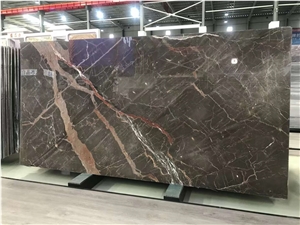
Caravaggio Marble

Marble

Brazil

About

Item Details

Material Type:
Marble
Origin:
Brazil
Recommended Usage:
Kitchen and bathroom countertops, wash basins, building stone, ornamental stone, stairs, interior, exterior wall and floor applications, mosaic, waterjet pattern, wall panels, table tops, balustrades, columns, wall and pool copings, pool pavers, fireplaces
Additional Names:
Caravaggio White Marble, Bianco Caravaggio Marble, Caravaggio White Dolomite
Finished Surface:
Polished,Bush Hammered,Tumbled,Brushed,Honed,Machine Cut,Natural Surface,Sandblasted,Combed,Leathered,Water Jet,Filled,Chiseled,Pickling

Testing

Water Absorption:
0.10–0.30%
Density:
2700–2850 Kg/m³
Flexural Strength:
12–14 MPa
Compressive Strength:
120–130 MPa

Description

Caravaggio Marble is a premium dolomitic marble​ quarried in Brazil, distinguished by its sophisticated gray-white background​ with dramatic, flowing veins of charcoal gray, silver-gray, and taupe tones. The stone's name evokes the dramatic chiaroscuro (light and shadow) effects of Baroque painter Caravaggio, reflecting its striking contrast and artistic depth. This marble combines timeless elegance with superior durability, making it ideal for luxury residential and commercial applications.

Visual Characteristics

  • Base Color:​ Gray-white to creamy ivory with subtle warm undertones
  • Veining Colors:​ Charcoal gray, silver-gray, taupe, and occasional golden accents
  • Pattern Type:​ Dynamic, flowing formations resembling clouds, waves, or mountain ranges
  • Texture:​ Fine to medium crystalline structure with natural depth
  • Surface Finish:​ Typically polished to enhance contrast and luminosity
  • Light Interaction:​ Excellent light play creates dramatic shadow and highlight effects
  • Overall Mood:​ Dramatic, artistic, sophisticated, and timeless

Geological & Technical Specifications

  • Dolomitic Marble (CaMg(CO₃)₂)
  • Water Absorption​: 0.10–0.30%
  • Density: ​2.70–2.85 g/cm³
  • Compressive Strength​: 120–130 MPa
  • Flexural Strength​12–14 MPa
  • Abrasion Resistance​: Moderate (15–20 mm)
  • Hardness (Mohs)​: 3.5–4
  • Frost Resistance: ​Limited (interior use recommended)

Chemical & Mineral Composition

  • CaMg(CO₃)₂ (Dolomite)​: 85–95%
  • CaCO₃ (Calcite)​: 5–10%
  • Fe₂O₃/FeO (Iron Oxides)​: 0.5–2% (gray veining source)
  • SiO₂ (Quartz)​: 1–3%
  • Other Minerals​: 1–3%

Mineral Composition

  • Dolomite:​ 85–92%
  • Calcite:​ 5–8%
  • Quartz/Silicates:​ 2–5%
  • Iron/Manganese Oxides:​ 1–2% (veining coloration)
  • Accessory Minerals:​ 1–2%

Available Finishes

  • Polished​ – High-gloss enhances dramatic veining contrast
  • Honed​ – Matte finish for contemporary applications
  • Brushed/Leathered​ – Textured surface preserving natural character
  • Antiqued​ – Weathered appearance for traditional designs
  • Sandblasted​ – Uniform matte texture

Applications 

  • Interiors:​ Feature walls, grand staircases, reception areas
  • Luxury Bathrooms:​ Vanity tops, shower walls, flooring
  • Elegant Kitchens:​ Countertops, islands, backsplashes
  • Commercial Spaces:​ Hotel lobbies, corporate headquarters, luxury retail
  • Decorative Elements:​ Fireplace surrounds, tabletops, custom furniture
  • Artistic Installations:​ Sculptural elements, accent features

Maintenance Guidelines

  • Sealing:​ ESSENTIAL​ – Dolomitic marble requires quality impregnating sealer
  • Cleaning:​ pH-neutral stone cleaners only; avoid acidic substances
  • Protection:​ Use coasters, trivets, and cutting boards diligently
  • Etching Prevention:​ Wipe spills immediately, especially acidic liquids
  • Professional Care:​ Regular sealing recommended (every 6–12 months)
  • Interior Use:​ Recommended; exterior use requires special assessment

Design Compatibility

  • Classical Luxury​ – Complements traditional architectural elements
  • Modern Baroque​ – Adds dramatic contrast to contemporary spaces
  • Transitional Elegance​ – Bridges historical and modern aesthetics
  • Artistic Interiors​ – Functions as natural artwork in architectural spaces
  • Sophisticated Minimalism​ – Provides drama in otherwise simple designs

Key Advantages

  • Artistic Appeal​ – Each slab is a unique natural masterpiece
  • Durability​ – Dolomite content provides greater acid resistance than calcite marble
  • Timeless Beauty​ – Classic veining ensures long-term design relevance
  • Brazilian Origin​ – Known for consistent quality and block size
  • Light Enhancement​ – Reflective surface brightens interior spaces
  • Design Versatility​ – Complements both traditional and contemporary styles
  • Value Addition​ – Adds significant aesthetic and financial value to properties

Installation Considerations

  • Lighting Design​ – Strategic lighting maximizes dramatic veining effects
  • Pattern Matching​ – Crucial for large installations; book-matching recommended
  • Sealing Protocol​ – Must be sealed before, during, and after installation
  • Edge Details​ – Elaborate edges showcase the stone's dramatic character
  • Panel Size​ – Large slabs minimize seams and enhance visual continuity
  • Professional Installation​ – Highly recommended​ for optimal results

Note:​ Caravaggio Marble represents the pinnacle of dolomitic marble elegance. Its dramatic veining and sophisticated color palette make it particularly suitable for projects seeking to create impactful, artistic interiors. The stone's Brazilian origin ensures both exceptional quality and the availability of large slabs. Due to its dolomitic composition, it offers better acid resistance than typical calcite marbles, though it still requires diligent sealing and maintenance. Slab selection is not just recommended but essential, as the stone's dramatic character varies significantly between blocks. Professional installation and proper sealing are critical to maintaining the stone's beauty and performance over time.

FAQ

Can Caravaggio Marble be used for a fireplace mantel?

Yes, Caravaggio Marble can be used for a fireplace mantel. This type of marble is known for its distinctive and elegant appearance, typically featuring a combination of light and dark veining that adds a luxurious aesthetic to any space. It is durable and heat-resistant, making it a suitable choice for a fireplace mantel. However, its important to consider that marble can be prone to staining and etching, so proper sealing and maintenance are essential to preserve its beauty over time. Always consult with a professional to ensure the best outcome for your specific installation.

Can 2cm Caravaggio Marble be used for kitchen countertop?

Yes, 2 cm Caravaggio Marble can be used for a kitchen countertop, but there are some considerations to keep in mind. Caravaggio Marble is a natural stone that is prized for its beauty, with unique veining and color variations. However, marble is generally softer and more porous than other stones like granite or quartz, which makes it more susceptible to staining, scratching, and etching from acids. For a 2 cm thickness, you may need to reinforce the countertop with a plywood substrate to provide additional support and prevent cracking or breaking. Its also important to ensure proper sealing and regular maintenance to protect the marble surface from stains and etching. Overall, while aesthetically appealing, using Caravaggio Marble in a kitchen setting may require more diligent care and maintenance compared to other kitchen countertop materials. If you prioritize functionality and low maintenance, you might want to consider alternatives.

How can I repair the scratched surface of the Caravaggio Marble countertop?

Repairing a scratched marble countertop requires care to preserve its integrity and appearance. Here’s a step-by-step guide to help you repair minor scratches on your Caravaggio marble countertop: 1. **Assess the Damage**: Examine the scratches to determine if they are light, moderate, or deep. This will affect which method to use. 2. **Clean the Surface**: Thoroughly clean the countertop with mild soap and water to remove any dirt or debris. Use a soft cloth to avoid causing additional scratches. Dry the area completely with another clean, soft cloth. 3. **Buff Light Scratches**: - Use a non-abrasive polishing compound specifically made for marble. Apply a small amount of the compound to a soft cloth. - Gently rub it into the scratch in a circular motion. For deeper scratches, you might need to apply more pressure and repeat the process several times. - Wipe away any excess compound with a damp cloth. 4. **Sand Moderate Scratches**: - Use 400-grit sandpaper to lightly sand the scratched area. Do so gently, with careful, even pressure to avoid creating new scratches. - Follow with 600-grit sandpaper to further smooth the surface, then finish with 800-grit sandpaper. - After sanding, clean the area with a damp cloth to remove marble dust. 5. **Deep Scratches**: - For deep scratches, you might need to use a professional marble repair kit, which usually includes epoxy or resin. - Mix the epoxy/resin according to the manufacturer’s instructions. Apply it to the scratch, filling it in. - Allow it to cure completely, which may take a few hours. Once cured, use fine-grit sandpaper (around 1000-grit) to smooth it out, then polish as you would with moderate scratches. 6. **Polish the Countertop**: After addressing the scratches, use a marble polish to restore the entire countertop’s shine. Apply the polish with a clean, soft cloth in circular motions and buff it until polished to your liking. 7. **Seal the Marble**: If the marble has not been sealed recently, consider applying a marble sealer. This will protect against future scratches and stains. Follow the product’s instructions for application and curing time. 8. **Call a Professional**: If you’re uncomfortable doing it yourself or the scratches are severe, consider hiring a professional who specializes in marble restoration. Always perform a small patch test on an inconspicuous area when using any repair products to ensure they do not affect the marbles color or finish. Regular maintenance, including using trivets, avoiding harsh cleaners, and promptly cleaning spills, can help preserve your marble countertop’s beauty.

Does red wine stain the surface of a Caravaggio Marble kitchen countertop?

Yes, red wine can stain a Caravaggio Marble kitchen countertop. Marble is a porous natural stone, which makes it susceptible to staining from acidic substances like red wine. If spilled, it’s important to clean it up immediately to minimize the risk of staining. Using coasters and placemats and sealing the marble regularly can also help protect it from stains.

Is Caravaggio Marble mosaic flooring slippery for bathroom use?

Caravaggio Marble, like other polished marble surfaces, can indeed be slippery when wet, making it potentially hazardous for bathroom flooring. Marble is a natural stone with a smooth, sometimes shiny finish, which can increase the risk of slips and falls in areas frequently exposed to water like bathrooms. To mitigate the slipperiness of marble flooring in bathrooms, consider the following options: 1. **Finish**: Opt for a honed finish instead of a polished finish. A honed finish is less slippery because it is not as glossy. 2. **Sealant**: Apply a slip-resistant sealant. Some sealers can add a bit of grip to the surface while providing protection against water and stains. 3. **Rugs and Mats**: Use bath mats or rugs with non-slip backings in areas prone to getting wet, such as outside the shower or bathtub. 4. **Regular Maintenance**: Keep the marble clean and dry, as water and soap residues can increase slipperiness. 5. **Textured Tiles**: Consider using tiles with a textured surface, which are designed to provide more traction than smooth tiles. Always assess the specific use and environment of your bathroom and consider consulting a professional for advice on the best materials and techniques for your situation.

How can I give Caravaggio Marble tiles an antique look?

To give Caravaggio marble tiles an antique look, you can follow these steps: 1. **Clean the Surface**: Before beginning any treatment, ensure the tiles are clean and free of any dust, dirt, or sealants. Use a pH-neutral cleaner to avoid damaging the marble. 2. **Acid Etching**: Lightly etch the surface with a diluted acid solution, like a one-to-four ratio of hydrochloric acid or muriatic acid to water. This process will dull the polish and create a worn look. Be very cautious with acid, as it can quickly damage marble. Always wear gloves and goggles, and ensure good ventilation. Rinse thoroughly with water afterward. 3. **Sanding**: Use a fine-grit sandpaper to sand the tiles manually or with a hand sander. Sanding creates a matte finish and mimics the natural wear seen in older tiles. 4. **Brushing**: Use a wire brush or abrasive pad to create small scratches and a slightly uneven texture. This step helps replicate the wear and patina of aged marble. 5. **Staining**: Apply a natural stone enhancer or a color-enhancing sealer to darken the tiles slightly and bring out any natural veining. This enhances the aged appearance. 6. **Patina Application**: Consider using a marble patina product, which can add depth and character. Apply it according to the manufacturer’s instructions. 7. **Waxing**: Use a stone wax to give the tiles a soft sheen and protect the surface. This step can also add to the aged appearance by providing a subtle glow. 8. **Distressing**: You may further distress the tiles using small chisels or a hammer to chip the edges lightly. This step should be done carefully to avoid damaging the tiles significantly. 9. **Regular Maintenance**: To keep the antique look, regularly maintain the tiles with appropriate cleaners and occasional re-application of any enhancers or sealants used. Always test any process or product on a small area first to see how the marble reacts, as marble varieties can respond differently to various treatments. Additionally, consider consulting with or hiring a professional, especially if the marble is expensive or you lack experience working with stone.

Products & Prices

View More

Hot Marble

New Marble

Post Your Request

The request includes:
  1. surface finished, size
  2. quantity required