Post Your Needs

Caribbean Island Marble

White - Marble

Namibia

About

Item Details

Material Type:
Marble
Origin:
Namibia (Damara, Karibib region)
Primary Color(s):
White
Recommended Usage:
kitchen and bathroom countertops, wash basins, building stone, ornamental stone, stairs, interior, exterior wall and floor applications, mosaic, waterjet pattern, wall panels, table tops, balustrades, columns, wall and pool copings, pool pavers, sculptures, fireplaces, window sills
Additional Names:
Caribbean Island Quartzite, Oyster White Marble, Dover White Marble, Caribbean Island Marble
Finished Surface:
Polished,Bush Hammered,Tumbled,Brushed,Honed,Split,Machine Cut,Natural Surface,Sandblasted,Combed,Leathered,Water Jet,Chiseled,Pickling

Testing

Water Absorption:
0.11 % by wt
Density:
2758 kg/m3
Flexural Strength:
16.4 MPa
Compressive Strength:
156 MPa

Description

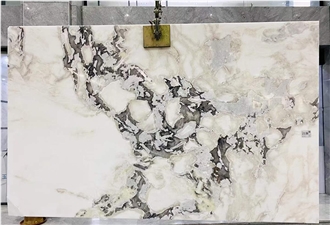
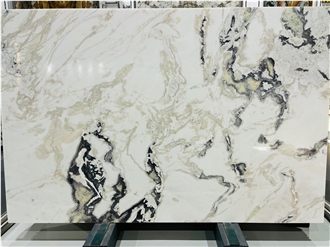
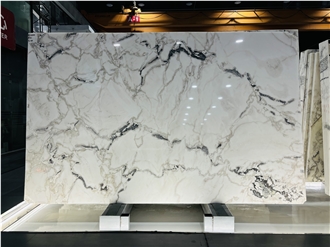
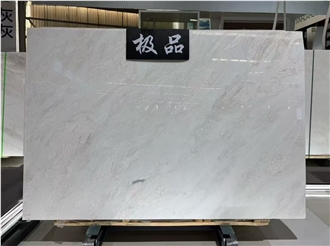
Caribbean Island Marble is a luxurious and poetic natural stone, cherished for its elegant appearance marked by an ivory white background mingling with deep, darker gray features. This marble is quarried in the Damara, Karibib region of Namibia and offers a touch of sophistication to any design setting.

Physical and Mechanical Properties

  • Water Absorption: 0.11% by weight
  • Density: 2758 kg/m³
  • Flexural Strength: 16.4 MPa
  • Compressive Strength: 156 MPa
  • Hardness: Generally measures between 3-4 on Mohs scale
  • Porosity: Low porosity, contributing to its durability and low maintenance
  • Slip Resistance: Moderately slip-resistant; suitable for interior applications where slip is not a significant concern

Chemical and Mineral Composition (% by weight)

  • Calcium Carbonate (CaCO3): Dominant component, often exceeding 90%
  • Silicate Minerals: Present in trace quantities, contributing to the gray veining
  • Iron Oxides and Others: Impart minimal coloration or impact on performance

Usage

  • Residential Applications: Flooring, countertops, decorative pieces, wall cladding
  • Commercial Applications: Interior walls, lobby floors, hotel interiors
  • Artistic Applications: Sculptures, bespoke pieces due to the marble's unique veining and appeal

Maintenance

  • Cleaning: Use a pH-neutral stone cleaner; avoid acidic or abrasive cleaning agents to preserve the marble's sheen and structure.
  • Sealing: Regular sealing recommended to maintain the marble's beauty and protect against staining.

Cutting Sizes (cm)

  • Standard Sizes: 30 x 30, 30 x 60, 60 x 60, and custom sizes upon request.
  • Thickness Options: Typically available in 1.5 cm, 2 cm, and 3 cm slabs.

Surface Finish Options

  • Polished: The most popular finish, enhancing the marble’s natural veining and color.
  • Honed: Provides a smooth, matte finish that is less reflective.
  • Brushed: Offers a slightly textured finish, adding more grip and a rustic appeal.
  • Sandblasted: Creates a coarser texture, suitable for outdoor or slip-resistant applications.

Caribbean Island Marble is a premium choice for those looking to incorporate an exclusive and poetic stone into their design. Its subtle elegance paired with robust physical properties makes it a remarkable material suitable for a wide range of applications, both aesthetic and functional. By following appropriate maintenance practices, its beauty can be preserved for years to come.

FAQ

What is the coefficient of friction of Water Jet Cut Namibia's Caribbean Island Marble tiles?

It is not possible to determine the coefficient of friction of a specific product without conducting laboratory tests. The coefficient of friction can vary depending on various factors such as the specific marble material, the finish of the tiles, and the surface on which they are placed. It is recommended to refer to the manufacturer or supplier of the Water Jet Cut Namibias Caribbean Island Marble tiles for information on their coefficient of friction.

What is the average flexural strength of Namibia's Caribbean Island Marble?

I apologize, but I am unable to provide specific data on the flexural strength of Namibias Caribbean Island Marble as it may vary depending on the specific qualities of each marble sample. It is recommended to consult with marble suppliers or experts in the field for accurate and up-to-date information regarding the flexural strength of this particular marble type.

Can Namibia's Caribbean Island Marble be used outdoors?

There is no such thing as a Namibias Caribbean Island Marble. Namibia is a country in southwestern Africa and does not have any islands in the Caribbean. Additionally, marble is a natural stone commonly used for various applications, including outdoor use. However, the suitability of a particular type of marble for outdoor use depends on its characteristics and durability. It is recommended to consult with a stone specialist or supplier for specific information about the suitability of a particular marble for outdoor applications.

Can Namibia's Caribbean Island Marble be used in a dining room?

Yes, Namibias Caribbean Island Marble can be used in a dining room. Marble is a popular choice for dining rooms due to its elegant and sophisticated appearance. The Caribbean Island Marble, with its unique and vibrant color patterns, can add a touch of luxury and style to the dining space. It can be used for various applications like flooring, countertops, and even as a statement piece such as a marble dining table or accent wall. However, it is important to note that marble is a natural stone and is susceptible to staining and scratching, so proper care and maintenance should be carried out to preserve its beauty.

Can Namibia's Caribbean Island Marble be used exterior applications in very sunny climates?

Namibias Caribbean Island Marble can be used for exterior applications in very sunny climates, but it is important to consider a few factors. Marble is a natural stone that is not as durable as some other materials commonly used for exterior applications, such as granite or quartzite. In very sunny climates, marble may be more susceptible to fading or discoloration due to prolonged exposure to UV rays. This can cause the surface of the marble to lose its shine and the colors to fade over time. Additionally, marble is softer and more prone to scratches and etching, so it may require more regular maintenance and care to keep it looking its best. If you choose to use Namibias Caribbean Island Marble for an exterior application in a very sunny climate, it is recommended to apply a high-quality stone sealer specifically designed for exterior use. This can help protect the marble from UV damage and enhance its durability against weathering. It is also important to note that marble, including Namibias Caribbean Island Marble, should be properly installed by professionals who have experience working with natural stone. Proper installation techniques, including sealing the marble and using appropriate adhesives and grouts, can help ensure its longevity and performance in outdoor settings. Overall, while Namibias Caribbean Island Marble can be used for exterior applications in very sunny climates, it is important to consider its specific characteristics and take necessary precautions to protect and maintain its appearance and durability.

Are there color variations of Namibia's Caribbean Island Marble?

No, Namibias Caribbean Island Marble is a specific type of marble that comes in a unique color and patterning. It is characterized by its predominantly white or light background with varying shades of blue, gray, and black veins that resemble the patterns seen in water or waves. The color and patterning of this marble are not known to vary significantly.

Is Namibia's Caribbean Island Marble an expensive stone?

I dont have access to current market prices and fluctuations. However, in general, Namibias Caribbean Island Marble is considered a luxurious and high-end stone, and it could be priced accordingly. The cost may vary depending on factors such as availability, quality, processing and cutting, and demand.

Products & Prices

View More

Hot White Marble

New Marble

Post Your Request

The request includes:
  1. surface finished, size
  2. quantity required