Post Your Needs

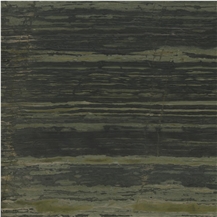
Caribbean Sea Quartzite

Green - Quartzite

Brazil

About

Item Details

Material Type:
Quartzite
Origin:
Brazil
Primary Color(s):
Green
Recommended Usage:
kitchen and bathroom countertops, stairs, building stone, ornamental stone, interior, exterior wall and floor applications, mosaic, waterjet pattern
Additional Names:
Caribbean Quartzite, Caribbean Sea Quartzite
Finished Surface:
Polished,Bush Hammered,Tumbled,Brushed,Honed,Split,Machine Cut,Natural Surface,Sandblasted,Acid Washing,Combed,Leathered,Water Jet,Filled,Chiseled,Pickling

Testing

Density:
2680 to 2760 Kg/m³
Flexural Strength:
12-13 MPa
Compressive Strength:
200 MPa

Description

Caribbean Sea Quartzite is a stunning natural stone quarried in Brazil, known for its serene light green background accented with white, beige, and subtle golden veining. This quartzite captures the tranquil essence of Caribbean waters through its soft color palette and organic patterns. Beyond its aesthetic appeal, it is recognized for the durability typical of Brazilian quartzite, making it an excellent choice for creating sophisticated interiors.

Physical and Mechanical Properties

  • Water Absorption: Typically low; quartzite is less porous, absorbing minimal water which enhances its durability.

  • Density: Ranges from approximately 2.68 to 2.76 g/cm³; indicative of its solid structure.

  • Flexural Strength: Generally between 12-13 MPa; this property provides insight into the stone’s ability to withstand bending and stress.

  • Compressive Strength: Often exceeds 200 MPa; shows high resistance to crushing, which is important for heavy-duty applications.

  • Hardness: Generally ranks around 7 on the Mohs scale; indicative of excellent scratch resistance and surface durability.

  • Porosity: Very low, typically less than 1%; ensures that the surface resists staining and moisture.

  • Slip Resistance: Depending on finish, generally moderate to high; polished surfaces may need additional treatment for improved slip resistance.

Chemical and Mineral Compositions (Approx. % by weight)

  • Quartz: 90-95%
  • Mica: 2-5%
  • Feldspar: 1-5%
  • Other Trace Minerals: Depending on specific quarry source and conditions

Usage

  • Interior Applications: Ideal for countertops, backsplashes, and flooring due to its aesthetic appeal and durability.
  • Exterior Applications: Suitable for facades and outdoor surfaces, although finishes need to consider slip resistance.
  • Commercial Spaces: Its durability and elegant appearance make it suitable for high-end commercial projects.

Maintenance

  • Cleaning: Use a pH-neutral cleaner to avoid damaging the surface.
  • Sealing: Periodic sealing recommended to maintain its water-resistant properties and enhance stain resistance.
  • Protection: Avoid acidic cleaners and harsh chemicals.

Cutting Sizes (Common)

  • Slabs: Typically available in sizes such as 2 cm and 3 cm thicknesses, with variable lengths and widths depending on quarry output.
  • Custom Cuts: Available upon request for specific project needs.

Common Surface Finish Options

  • Polished: Enhances the natural color and veining; offers a glossy, reflective surface.

  • Honed: Provides a matte finish for a more understated look, with less reflection and a smooth texture.

  • Leathered: Offers a slightly textured, tactile surface for a natural feel and enhanced slip resistance.

  • Brushed: Results in a soft textured surface that retains the color brilliance of the stone but with less gloss.

By combining beauty with exceptional physical properties, Caribbean Sea Quartzite remains a favored choice for elegant and resilient interior designs. Its versatility in finishes allows for tailored applications, meeting both aesthetic and functional demands.

FAQ

Are there color variations of Brazil's Caribbean Sea Quartzite?

Yes, there are color variations of Brazils Caribbean Sea Quartzite. The quartzite is known for its striking blue and green colors which resemble the colors of the Caribbean Sea. However, the specific color variations can vary from slab to slab. Some may have a more dominant blue tone, while others may have more green or even grey tones mixed in. The veining and patterns of the quartzite can also vary, creating unique and beautiful variations.

Can Brazil's Caribbean Sea Quartzite be used in landscaping?

Yes, Brazils Caribbean Sea Quartzite can be used in landscaping. Quartzite is a natural stone that is known for its durability and resistance to weathering, making it a popular choice for outdoor applications such as landscaping. The Caribbean Sea Quartzite from Brazil is characterized by its blue-green color hues, resembling the colors of the Caribbean Sea. Its unique coloration and natural veining patterns can add an attractive and exotic touch to landscaping projects. It can be used for a variety of purposes such as pathways, patio pavers, outdoor walls, garden features, and decorative elements in gardens or outdoor living spaces. Additionally, quartzite is low-maintenance and can withstand heavy foot traffic, making it suitable for areas that require durability and longevity.

Can Brazil's Caribbean Sea Quartzite be used in a bathroom?

Yes, Brazils Caribbean Sea Quartzite can be used in a bathroom. Quartzite is a durable and water-resistant natural stone, making it a suitable choice for bathroom applications such as countertops, vanities, shower surrounds, and flooring. It is known for its stunning appearance, often featuring unique patterns and colors that can add elegance and beauty to any bathroom design. However, it is important to properly seal and maintain the quartzite to ensure its longevity and prevent any potential damage from water or humidity.

Can Brazil's Caribbean Sea Quartzite be used exterior applications in very humid climates?

Yes, Brazils Caribbean Sea Quartzite can be used for exterior applications in very humid climates. Quartzite is a durable and weather-resistant natural stone that can withstand extreme weather conditions, including high humidity. Additionally, the Caribbean Sea Quartzite from Brazil has a dense and non-porous composition, making it less prone to moisture absorption and damage. It is commonly used for outdoor applications such as pool decks, patios, and facades in tropical and humid regions. However, it is always recommended to consult with a professional or the supplier to ensure proper installation techniques and maintenance for optimal performance in specific climates.

What is the coefficient of friction of Chiseled Brazil's Caribbean Sea Quartzite tiles?

The coefficient of friction of Chiseled Brazils Caribbean Sea Quartzite tiles can vary depending on various factors such as the specific finish, surface condition, and any additional treatments applied. It is recommended to contact the supplier or manufacturer directly for the most accurate and up-to-date information on the coefficient of friction for these tiles.

How thick is Brazil's Caribbean Sea Quartzite slabs?

There is no specific information available regarding the thickness of Brazils Caribbean Sea Quartzite slabs. The thickness of quartzite slabs can vary and typically ranges from 2 centimeters (0.79 inches) to 3 centimeters (1.18 inches) for standard slabs used in countertops and other applications. However, for specialized or custom orders, different thickness options may be available. It is recommended to contact suppliers or manufacturers directly to inquire about the specific thickness options for Brazils Caribbean Sea Quartzite slabs.

Is Brazil's Caribbean Sea Quartzite an expensive stone?

I do not have access to current market prices, but Brazilian Caribbean Sea Quartzite is generally considered to be a high-end stone and can be quite expensive compared to other types of natural stone. The price of the stone can vary depending on the source, quality, color, pattern, and availability. However, it is considered a luxury stone owing to its durability, elegant appearance, and resistance to heat and staining.

Products & Prices

Hot Green Quartzite

New Quartzite

Post Your Request

The request includes:
  1. surface finished, size
  2. quantity required