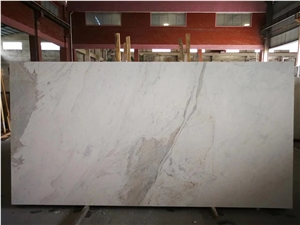
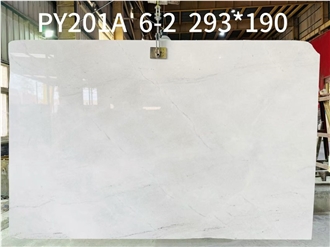
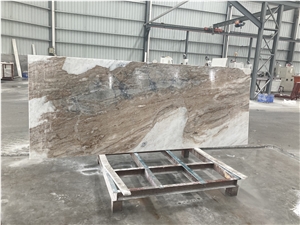
Castro White Marble

About
Item Details
- Material Type:
- Marble
- Origin:
China (Jiangsu) - Primary Color(s):
- White
- Recommended Usage:
- Kitchen and bathroom countertops, wash basins, building stone, ornamental stone, stairs, interior, exterior wall and floor applications, mosaic, waterjet pattern, wall panels, table tops, balustrades, columns, wall and pool copings, pool pavers, sculptures, fireplaces
- Additional Names:
- Zermatt White Marble, Jashi White Marble, Oriental Calacatta White Marble, Oriental Calacatta Marble, Calacatta Oriental Marble, Calacatta Venatina Marble, Calacatta Venatino Marble, Frozen White Marble, Galaxy White Marble, in China Stone Market:香雪白(Xiāng xuěbái), 嘉士白(Jiāshì bái), Castro White, 嘉士白-银河(Jiā Shì Bái - Yín Hé), Castro White Marble
- Finished Surface:
- Polished,Bush Hammered,Tumbled,Brushed,Honed,Split,Machine Cut,Natural Surface,Sandblasted,Combed,Leathered,Water Jet,Filled,Chiseled,Pickling
Testing
- Density:
- 2700 to 2740 Kg/m³
- Flexural Strength:
- 12-18 MPa
- Compressive Strength:
- 120-160 MPa
- Stone texture:
- clear white background with soft gray wavy veins, shades, and patterns
Description
Castro White Marble is a distinctive and elegant marble quarried in China, known for its clear white background complemented by delicate and soft gray wavy veins, shades, and patterns. It is often used in various interior and exterior applications due to its aesthetic appeal and physical properties.
Physical and Mechanical Properties
- Water Absorption: Typically low, indicating good resistance to moisture.
- Density: Approximately 2.70 to 2.74 g/cm³, which is standard for marble and suggests a solid material.
- Flexural Strength: Around 12-18 MPa, indicating its ability to withstand bending forces; values may vary depending on specific quarrying and treatment processes.
- Compressive Strength: Generally in the range of 120-160 MPa, showing it has a high resistance to being crushed.
- Hardness: Ranges between 3 to 4 on the Mohs scale, typical for calcitic marbles.
- Porosity: Low to medium, meaning it has moderate absorption characteristics, requiring sealing in specific applications.
- Slip Resistance: Not naturally slip-resistant, especially when polished, requiring surface treatment in high traffic or wet areas.
Chemical and Mineral Composition (Approximate % by weight)
- Calcium Carbonate (CaCO₃): 96% - Primary constituent of marble, reflecting its calcitic nature.
- Magnesium Carbonate (MgCO₃): <2% - Contributes to the marble's hardness and durability.
- Silica (SiO₂): <1% - Minimal presence, affecting its uniformity and texture.
- Iron Oxides (Fe₂O₃): <0.5% - Imparts the subtle veining and patterning.
- Minor trace elements: Adjust the color and pattern, such as manganese or clay minerals, generally below 1%.
Usage
- Interior Flooring and Wall Cladding: Popular in residential and commercial spaces for its luxurious appearance.
- Countertops and Vanity Tops: Valued for its aesthetic while maintaining practical usability; requires sealing for stain protection.
- Staircases and Risers: Adds elegance and durability; suitable for low traffic areas or with appropriate surface treatment.
- Exterior Facade or Cladding: When properly sealed to prevent moisture ingress.
Maintenance
- Sealing: Recommended periodically (typically annually) to protect against stains and etching.
- Cleaning: Use neutral pH cleansers; avoid acidic or abrasive cleaners to maintain surface integrity.
- Polishing and Buffing: Helps to restore shine; typically performed every few years depending on wear.
Cutting Sizes (Common)
- Slabs: Standard sizes are often around 240 cm x 120 cm; thickness varies from 2 cm to 3 cm.
- Tiles: Commonly available in sizes like 30 cm x 30 cm, 40 cm x 40 cm, 60 cm x 60 cm, etc.
Available Surface Finish Options
- Polished: Provides a glossy, reflective surface enhancing natural patterns, best for low moisture areas.
- Honed: Matte finish with less reflection; preferred for flooring due to increased slip resistance.
- Brushed: Textured surface providing a rustic appearance and higher slip resistance.
- Sandblasted: Offers a rougher texture, often used in exteriors for non-slip properties.
Consider these detailed elements when selecting and using Castro White Marble to ensure it aligns with both aesthetic desires and functional requirements.
FAQ
Yes, Castro White Marble with a thickness of 2 cm can be used for stair steps, but there are several considerations to keep in mind. Marble is a natural stone that offers an elegant and classic look, but it is also relatively soft and can be susceptible to scratching and staining. Here are some factors to consider:
1. **Load-Bearing Capacity:** Ensure that the substructure supporting the marble steps is adequately designed to bear the load. Although 2 cm is generally acceptable for residential stair treads, it might not be suitable for high-traffic commercial applications without additional support.
2. **Finish and Slip Resistance:** Consider the finish of the marble surface. A polished finish can be slippery, especially when wet. To improve safety, you might opt for a honed or textured finish or add anti-slip treatments.
3. **Maintenance:** Marble requires regular maintenance, including sealing and proper cleaning to protect against stains and etching. For stairs, which tend to have heavy foot traffic, more frequent maintenance may be necessary.
4. **Durability:** While marble provides a beautiful aesthetic, it can scratch or chip, especially at the edge of the steps. Consider using edge profiles that offer added protection.
5. **Aesthetic Match:** Ensure that the marbles color and veining match the overall interior design and other materials used in the space.
For optimal results, consult with a professional architect or interior designer to assess the specifics of your project and provide guidance tailored to your needs. Additionally, ensure that the installation is carried out by experienced professionals to avoid any future issues.
Is Castro White Marble suitable to use for sculpturing?
Yes, Castro White Marble can be suitable for sculpting. This type of marble is characterized by its fine grain and uniform texture, making it conducive for detailed work and achieving smooth surfaces. These qualities are important in sculpting, where accuracy and detail are crucial. Additionally, marble in general is a favored medium in sculpting due to its workability, ability to polish to a high sheen, and the aesthetic qualities it imparted to sculptures throughout history. However, always consider the specific requirements of your sculpture project and consult with a material expert or supplier to ensure that the particular batch of Castro White Marble you are considering meets your needs in terms of stability, consistency, and other factors specific to the project.
Does coffee stain the surface of Castro White Marble countertop?
Yes, coffee can stain the surface of Castro White Marble, as marble is a porous natural stone. It is susceptible to staining and etching when it comes into contact with acidic substances like coffee. If coffee spills on a marble countertop, it is important to clean it immediately with a damp cloth or sponge and mild soap to reduce the risk of staining. Using a sealant on the marble can also help protect it from stains, but it still requires prompt clean-up after any spills.
What type of abrasive should be used to honed the Castro White Marble surface?
Honing Castro White Marble, like other types of marble, involves using abrasives that are slightly less aggressive than those used for grinding. Typically, diamond abrasives are the most effective and efficient for this job. Here’s a general guideline for honing marble:
1. **Diamond Honing Pads:** Use resin-bonded diamond honing pads with a grit sequence ranging from around 400 to 3000, depending on the desired finish. Start with a lower grit and gradually move to higher grits for a smoother, more refined surface.
2. **Marble Polishing Powder:** After honing with diamond pads, you might use a marble polishing powder for additional smoothness and to enhance the stone’s natural shine.
3. **Non-Woven Pads:** If a completely matte finish is desired, you might stop at a lower grit or use non-woven pads for a final touch.
Always ensure the use of appropriate equipment such as a planetary floor machine or variable-speed hand polisher, depending on the surface area and complexity of the marble installation. Additionally, make sure to maintain a consistent water supply during the honing process to cool the pads and reduce dust.
Can Castro White Marble be used for kitchen countertop?
Castro White Marble can be used for kitchen countertops, but there are several factors to consider before making a decision. Marble is a natural stone known for its beauty and unique veining, which can add a luxurious look to a kitchen. However, marble is also a softer and more porous material compared to other countertop options like granite or quartz. Here are some considerations:
1. **Durability**: Marble is susceptible to scratching, chipping, and etching from acidic substances. It requires regular sealing to help protect against stains and damage.
2. **Maintenance**: Marble countertops need regular maintenance, including cleaning with pH-neutral cleaners and resealing periodically to maintain their appearance.
3. **Staining and Etching**: Kitchen countertops can be exposed to acidic foods and liquids like lemon juice, vinegar, and tomato sauce, which can cause etching. Spills should be wiped up quickly to prevent stains.
4. **Aesthetic Preference**: If you prefer a natural stone with unique veining and are willing to take on the extra maintenance, marble can be an excellent choice for its aesthetic appeal.
5. **Cost**: Marble is generally more expensive than other materials due to its luxurious appearance and the cost of upkeep.
If you love the look of marble but are concerned about its durability and maintenance in a kitchen setting, you might consider alternatives like quartz that mimic the appearance of marble without some of the drawbacks. Ultimately, the decision will depend on your priorities regarding aesthetics, maintenance, and budget.
How can I repair the scratched surface of the Castro White Marble countertop?
Repairing a scratched Castro White Marble countertop requires a careful approach to restore its natural beauty while avoiding further damage. Here’s a step-by-step guide to help you through the process:
1. **Clean the Surface**:
- Start by cleaning the area with a mild dish soap and water solution. Use a soft cloth or sponge to gently remove any dirt or grime.
- Rinse the area with clean water and dry it thoroughly with a soft towel.
2. **Assess the Scratch**:
- Determine the depth and severity of the scratch. Light scratches might be easier to address, while deeper ones might require professional help.
3. **Buff Light Scratches**:
- For minor scratches, use a marble polishing powder, which you can find at hardware stores or online.
- Follow the manufacturers instructions. Generally, you will need to mix the powder with water to create a paste.
- Apply the paste to the scratched area using a damp cloth or a buffing pad, and rub it in with small, circular motions.
- Wipe off any excess paste with a clean, damp cloth, and then dry the area.
4. **Polish the Marble**:
- Use a marble polishing compound, which can help restore shine.
- Apply the compound according to the instructions, usually by applying it to a cloth and rubbing it in a circular motion over the scratched area.
5. **Seal the Marble**:
- If the scratches are removed and the surface polished, it’s recommended to seal the marble to protect it from future damage.
- Use a high-quality marble sealer. Apply it according to the product instructions, usually involving painting or spraying it onto the surface and then wiping off the excess.
6. **Professional Help for Deep Scratches**:
- If the scratches are deep and you’re unable to fix them using the above methods, consult a professional. They have specialized tools and techniques to repair and refinish marble surfaces.
7. **Preventing Future Scratches**:
- Use cutting boards, trivets, and protective pads to prevent scratches from occurring.
- Regularly clean and seal your marble countertop to maintain its durability and appearance.
Remember to always do a patch test in an inconspicuous area before applying any product to ensure that it does not adversely affect the marble.
How can I give Castro White Marble wall tiles an antique look?
Giving Castro White Marble wall tiles an antique look can add character and warmth to a space. Here are several methods you could consider:
1. **Acid-Etching:**
- Acid-etching involves using mild acids to naturally wear down the surface of the marble. This process gives the marble a weathered and aged appearance. However, this method should be done with caution as it can permanently alter the marble’s surface.
2. **Matte Finish:**
- Instead of the polished finish, which is typically very bright and reflective, opt for a honed or matte finish. This will reduce the shine and make the tiles look older and more natural.
3. **Tumbled Finish:**
- Tumbled marble is treated with sand, rocks, and water to give it a worn, rustic look. This can also be achieved by using tumbling machines, though this is more common for smaller tiles.
4. **Distressing:**
- Manually distressing the tiles can create an aged look. You can use tools to chip the edges or add surface scratches. Be cautious to maintain the integrity of the tiles.
5. **Staining:**
- Using a stone-safe stain can alter the color of the marble slightly, giving it a vintage appearance. Choose earthy or darker tones for a more authentic look.
6. **Enhancing Grout Lines:**
- Using a darker or contrasting grout can add to the vintage feel, as older installations often used more visible grout lines.
7. **Waxes and Sealants:**
- Applying a colored wax or antique marble sealant can enhance the aged appearance while providing protection. Be sure to use products specifically designed for marble to avoid damage.
Always test any method on a small, hidden area or a sample piece first to ensure that the result is to your liking and doesnt damage the marble. Additionally, consider consulting with or hiring a professional if youre unsure about the techniques or if the tiles are expensive or difficult to replace.
How can I restore the appearance of Castro White Marble floors to make them look new again?
Restoring the appearance of Castro White Marble floors involves a few detailed steps. Marble is a delicate and porous material that requires careful handling to bring back its original luster. Here’s a comprehensive guide to help restore your marble floors:
1. **Initial Cleaning:**
- Start by sweeping or vacuuming the floor to remove loose dirt and debris. Use a soft-bristle broom or a vacuum with a hard floor attachment to prevent scratches.
- Mop the floor with a pH-neutral marble cleaner. Avoid acidic or abrasive cleaners, which can damage the marble.
2. **Stain Removal:**
- Identify any stains present on the marble. Oil-based stains can be treated with a poultice made from baking soda and water, while organic stains may require hydrogen peroxide.
- Apply the poultice to the stain, cover with plastic wrap, and let it sit for 24-48 hours. Remove the dry poultice with a damp cloth and rinse thoroughly.
3. **Scratch and Etch Mark Treatment:**
- Minor scratches and etch marks can often be polished out using marble polishing powder. Follow the product instructions carefully, using a damp cloth to gently rub the powder into the affected areas.
- For deeper scratches, you might need to use a marble polishing compound or consider professional restoration services.
4. **Honing:**
- Honing is a process of removing surface imperfections and restoring the smoothness of the marble. For extensive dullness, this may require a professional who can use a floor machine with diamond honing pads to even out the surface.
5. **Polishing:**
- After honing, polish the marble with a specialized marble polish or polishing compound. This can be done using a soft cloth or a buffing machine for larger areas.
- Work in small sections and buff the surface to a high shine. This step enhances the marble’s gloss and shine.
6. **Sealing:**
- Once polished, it’s essential to seal the marble to protect it from future stains and damage. Use a high-quality penetrating marble sealer.
- Apply the sealer according to the manufacturer’s instructions, usually using a clean, soft cloth, and allow it to penetrate before buffing off any excess.
7. **Regular Maintenance:**
- To maintain the renewed look, clean the floor regularly with a pH-neutral cleaner and promptly clean up spills to prevent stains.
- Use rugs or mats in high-traffic areas and furniture pads to protect the marble from wear and tear.
By following these steps, you can significantly improve the appearance of your Castro White Marble floors and keep them looking pristine. If the damage is extensive, consider hiring professional marble restoration services to ensure the best results.
Can glossy polished Castro White Marble be used for stair steps?
Yes, glossy polished Castro White Marble can be used for stair steps. This type of marble is known for its elegance and aesthetic appeal, making it a popular choice for interior applications, including staircases. However, there are a few considerations you should keep in mind:
1. **Slip Resistance:** Polished marble can be quite slippery, especially when wet. You might need to consider additional measures to enhance traction, such as using non-slip treatments or incorporating carpet runners or grip strips.
2. **Maintenance:** Marble is a natural stone that requires regular maintenance to keep its shine and prevent staining. Ensure that it is properly sealed and cleaned regularly.
3. **Durability:** While marble is relatively durable, it can still be susceptible to chipping, scratching, or cracking under heavy use. Consider the amount of foot traffic your stairs will experience and whether marble is the best material for your needs.
4. **Installation:** Proper installation is crucial to ensure safety and longevity. It is advisable to have the marble professionally installed.
By addressing these considerations, you can successfully use Castro White Marble for your stair steps, adding a luxurious and timeless look to your space.
Do fruit juices stain the surface of Castro White Marble floor tiles?
Yes, fruit juices can stain Castro White Marble floor tiles. Marble is a natural stone that is porous and sensitive to acidic substances. Many fruit juices contain acids, such as citric acid, which can etch or dull the polished surface of the marble and cause stains. Its important to wipe up any spills immediately with a damp cloth and mild, pH-neutral cleaner to minimize the risk of staining. Additionally, sealing the marble can provide an extra layer of protection against stains. Regular maintenance and prompt cleaning are crucial to preserving the appearance of marble floors.


2YR