Post Your Needs

Chandon Rouge Marble

Red - Marble

France

About

Item Details

Material Type:
Marble
Origin:
France (Chandon, Loire Dep.)
Primary Color(s):
Red
Recommended Usage:
Kitchen and bathroom countertops, wash basins, building stone, ornamental stone, stairs, interior, exterior wall and floor applications, mosaic, waterjet pattern, wall panels, table tops, balustrades, columns, wall and pool copings, pool pavers, fireplaces, window sills
Additional Names:
Chandon Red Marble, Marbre Chandon Rouge, Chandon Rouge Marbre, Chandon Rouge, Chandon Rouge Marble
Finished Surface:
Polished,Bush Hammered,Tumbled,Brushed,Honed,Split,Machine Cut,Natural Surface,Sandblasted,Acid Washing,Combed,Leathered,Water Jet,Filled,Chiseled,Pickling

Testing

Water Absorption:
0.10 - 0.20%
Density:
2680 - 2720 kg/m³
Flexural Strength:
10 - 12 MPa
Compressive Strength:
80 - 110 MPa
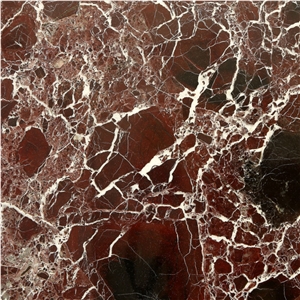
Stone texture:
a fine to medium crystalline matrix, known for its deep, warm red to brown‑red color palette that gives the stone a rich, elegant presence; variations can occur naturally, with some pieces showing softer red tones or subtle shifts in intensity, and while this marble generally has a uniform red hue, occasional lighter or darker patches may appear due to its natural formation. Visually the stone offers a classic and refined look suited for decorative applications like pavers, countertops, ornamental stone, mosaics, and interior features, where its strong red coloration can create luxurious impact.

Description

Chandon Rouge Marble is a stunning natural stone known for its rich and warm color palette, predominantly featuring deep red to brown-red hues. This fine to medium crystalline marble is sourced from Chandon in the Loire Department of France. It displays natural variations, with softer reds and shifts in intensity creating a dynamic and elegant visual effect. While generally uniform in color, occasional lighter or darker patches may occur, adding character and uniqueness to each slab.

Physical and Mechanical Properties:

  • Water Absorption: Approximately 0.10% - 0.20%. Indicates low porosity and good resistance to staining.
  • Density: Approximately 2.68 - 2.72 g/cm³. Reflects the compactness and heft of the marble.
  • Flexural Strength: Ranges between 10 - 12 MPa. Demonstrates moderate flexibility and resistance to bending.
  • Compressive Strength: Typically around 80 - 110 MPa. Shows high resistance to crushing forces.
  • Hardness: Mohs scale rating around 3 - 4. Suggests moderate scratch resistance, common for marbles.
  • Porosity: Generally low, around 0.3% - 1.0%. Contributes to its durability and low maintenance.
  • Slip Resistance: Depends on surface finish, polished surfaces have lower slip resistance compared to honed or matte finishes.

Chemical and Mineral Compositions (% by weight):

  • Calcite: Main component (around 90% - 95%). Responsible for its characteristic texture and acid sensitivity.
  • Quartz: Minor presence (2% - 5%). Adds slight abrasiveness to the stone.
  • Iron Oxides: Provides the reddish hue (trace amounts). Enhances coloration and aesthetic appeal.
  • Other Minerals: Trace amounts of micas, clays, and carbonates contribute to its color variations and texture.

Usage and Applications:

  • Interior Features: Ideal for countertops, vanity tops, and feature walls. Its rich color makes it perfect for luxurious interiors.
  • Decorative Applications: Mosaics, ornamental stone features, and decorative borders.
  • Paving and Flooring: Suitable for indoor flooring and decorative pavers, ensuring a classic look.

Maintenance:

  • Cleaning: Use pH-neutral cleaners to prevent etching. Avoid acidic or abrasive cleaners that can damage the surface.
  • Sealing: Regular sealing recommended to reduce porosity and prevent staining.
  • Care: Protect from heavy impacts and scratching by using mats or coasters.

Surface Finishes:

  • Polished: High gloss, enhancing the vibrant color and pattern.
  • Honed: Matte finish, providing a softer appearance and increased slip resistance.
  • Brushed/Antiqued: Adds texture, giving an aged look with natural slip resistance.
  • Sandblasted: Rough texture for more grip and rustic appeal.

Conclusion:

Chandon Rouge Marble provides an exquisite option for architectural and decorative projects requiring a deep, sophisticated color palette. Its natural beauty is complemented by its durability and wide range of finish options, making it a versatile choice for various applications. Regular maintenance, such as sealing and gentle cleaning, will help maintain its luxurious appearance over time.

FAQ

Can France's Chandon Rouge Marble be used in heavy use areas?

No, Frances Chandon Rouge Marble is generally not recommended for heavy use areas. It is a type of marble that is more suitable for decorative purposes, such as flooring in low traffic or residential areas, countertops, or wall claddings. Marble is a natural stone and, although durable, it is susceptible to scratches, staining, and etching from acidic substances. In heavy use areas, materials like granite or quartzite that are harder and more resistant to wear and tear are often more suitable.

What is the coefficient of friction of Filled France's Chandon Rouge Marble tiles?

To determine the coefficient of friction of Filled Frances Chandon Rouge Marble tiles, you would need to refer to the product specifications provided by the manufacturer or contact the manufacturer directly. Each type of tile may have a different coefficient of friction depending on factors such as surface texture, finish, and treatment.

Can France's Chandon Rouge Marble be used in a kitchen?

Yes, Frances Chandon Rouge Marble can be used in a kitchen. Marble is a popular choice for kitchen countertops and backsplashes due to its elegant and timeless appeal. However, it is important to note that marble is a softer and more porous material compared to granite or quartz, so it may require more maintenance and care. Regular sealing and proper cleaning practices are necessary to prevent staining and etching.

What grade is France's Chandon Rouge Marble?

There is no specific grade for Frances Chandon Rouge Marble. Marble grades primarily depend on factors such as color, veining patterns, and overall quality. The quality of Chandon Rouge Marble may vary from stone to stone, and it is commonly categorized based on these factors rather than a specific grade.

Can France's Chandon Rouge Marble be used indoors?

Yes, Frances Chandon Rouge Marble can be used indoors. It is a type of marble that is commonly used for flooring, countertops, backsplashes, and other interior applications. Its rich red color and unique veining patterns make it a popular choice for creating a luxurious and elegant look in indoor spaces.

Are there color variations of France's Chandon Rouge Marble?

Yes, there can be slight variations in color for Frances Chandon Rouge Marble. This type of marble is typically characterized by a deep red color with veins or patterns of white and pink. However, marble is a natural stone and variations in color, veining, and intensity can occur due to the geological composition of the stone and the location from which it is quarried. Additionally, factors such as lighting and finishing techniques can also affect the appearance of the marble. Therefore, it is possible to see some variations in color and pattern within the Chandon Rouge Marble.

How thick is France's Chandon Rouge Marble slabs?

The standard thickness for Frances Chandon Rouge Marble slabs is usually around 2 centimeters (0.79 inches). However, it is important to note that thickness can vary depending on the specific requirements and preferences of the customer or project.

Is France's Chandon Rouge Marble an expensive stone?

I do not have access to real-time pricing information, but in general, Chandon Rouge Marble from France is considered a premium and luxurious stone that can be quite expensive compared to other types of marble. The price can vary depending on factors such as the quality, size, finish, and rarity of the marble.

Can France's Chandon Rouge Marble be used exterior applications in very sunny climates?

As an AI language model I do not have the specific data on the properties of Frances Chandon Rouge Marble, but generally marble is not recommended for exterior applications in very sunny climates as it can discolor, fade, and become prone to cracking due to exposure to UV rays and extreme weather conditions. It is more suitable for interior applications such as flooring, walls and countertops. Other natural stones and synthetic materials such as porcelain or quartz may be more appropriate for exterior use in very sunny climates. It is important to consult with a professional before making any decisions on material selection for your project.

Products & Prices

Hot Red Marble

New Marble

Post Your Request

The request includes:
  1. surface finished, size
  2. quantity required