Post Your Needs

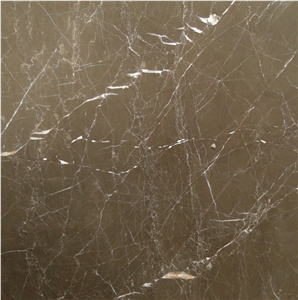
China Emperador Marble

Brown - Marble

China

About

Item Details

Material Type:
Marble
Origin:
China (Jiiangxi and Hubei province)
Primary Color(s):
Brown
Recommended Usage:
Exterior - Interior wall and floor applications, monuments, countertops, mosaic, fountains, pool and wall capping, stairs, window sills
Additional Names:
China Marron Imperial Marble, China Dark Emperador Marble, China Emperador Brown Marble, China Dark Emperador Marble, in China stone market:中国啡网(Zhōngguó fēi wǎng), China Emperador Marble
Finished Surface:
Polished,Bush Hammered,Tumbled,Brushed,Honed,Split,Machine Cut,Natural Surface,Sandblasted,Acid Washing,Combed,Leathered,Water Jet,Filled,Chiseled,Pickling

Testing

Water Absorption:
0.14 %
Density:
2700 kg/m3
Flexural Strength:
7.89 MPa
Compressive Strength:
77.69 MPa

Description

China Emperador Marble is a distinctive marble quarried in China, renowned for its deep, rich brown tones adorned with striking white veins. The color palette ranges from dark chocolate brown to lighter, reddish-brown hues, offering versatile aesthetic options. The veining patterns vary in thickness and intensity, from subtle and delicate to bold and contrasting, enhancing its visual appeal. With its elegant and luxurious appearance, China Emperador Marble is a favored choice for high-end interior design projects, adding sophistication to any space.

Mohs Hardness Scale of China Emperador Marble: 3 ~4

Mineralogical Composition of China Emperador Marble % wt:

  • Calcite: 75%
  • Dolomite: 15%
  • Quartz: 5%
  • Mica: 3%
  • Other minerals: 2%

Chemical Analysis of China Emperador Marble % wt:

  • CaCO3 (calcium carbonate): 97-98%
  • SiO2 (silicon dioxide): 0.5-1%
  • MgCO3 (magnesium carbonate): 0.1-0.5%
  • Fe2O3 (iron oxide): 0.1%
  • Al2O3 (aluminum oxide): trace amounts 
  • Na2O (sodium oxide): trace amounts 
  • K2O (potassium oxide): trace amounts

FAQ

How do I keep China Emperador Marble floors from scratching?

To keep China Emperador Marble floors from scratching, here are some tips you can follow: 1. Use doormats: Place doormats at all entry points to prevent dust, dirt, and small debris from being brought onto the floor. This will minimize the risk of scratching caused by abrasive particles. 2. Regular sweeping and vacuuming: Make sure to sweep or vacuum the floors regularly to remove any loose particles that could cause scratching. 3. Avoid dragging heavy objects: When moving furniture or heavy objects, be careful not to drag them directly on the marble floor. Use furniture sliders or lift and carry them instead. 4. Use protective pads: Place felt or rubber pads under furniture legs, especially chairs and tables, to avoid direct contact with the floor. This will prevent scratches when moving or rearranging furniture. 5. Clean spills immediately: Marble is porous and can be easily stained. Clean up any spills promptly using a soft, damp cloth. Avoid using abrasive cleaners or acidic solutions that can damage the marble. 6. Use gentle cleaning products: Use pH-neutral or mild cleaning products specifically designed for marble floors. Harsh chemicals can erode the marble surface over time, making it more susceptible to scratching. 7. Avoid high heels or sharp objects: Prevent walking on the marble floor with high heels or shoes with hard soles as they can cause scratches. Similarly, keep sharp objects away from the floor, as they can easily scratch the surface. 8. Regular sealing: Get your China Emperador Marble floors professionally sealed every few years. Sealing will provide an added layer of protection against scratches, stains, and etching. Remember, regular maintenance and preventative measures are crucial in preserving the beauty and longevity of China Emperador Marble floors.

Can I fix scratches on China Emperador Marble?

Yes, you can fix scratches on China Emperador Marble. Here are some steps you can follow: 1. Clean the marble surface: Use a mild cleaning solution and a soft cloth to clean the area around the scratch. Make sure to remove any dirt or debris from the scratch. 2. Assess the depth of the scratch: Determine the depth of the scratch to understand the severity. If the scratch is shallow, it can often be easily repaired. 3. Use a marble repair kit: Purchase a marble repair kit from a local home improvement store or online. These kits typically include a color-matched filler, epoxy, and tools for repairing the scratch. 4. Fill the scratch: Follow the instructions provided with the repair kit to fill the scratch. Apply the color-matched filler to the scratch using a spatula or other provided tools. Smooth out the filler and remove any excess. 5. Allow the filler to dry: Give the filler ample time to dry completely. It may take a few hours or overnight depending on the specific kit you are using. 6. Sand the area: Once the filler is dry, use fine-grit sandpaper to gently sand down the filled area. Be careful not to sand too aggressively and damage the surrounding marble. 7. Polish the area: After sanding, use a marble polishing compound and a soft cloth to buff the repaired area. This will help blend the repaired section with the rest of the marble surface. 8. Clean and maintain: After completing the repair, clean the marble surface again to remove any residue from the repair process. To prevent future scratches, use coasters or pads under objects that may scratch the marble surface. It is worth noting that more severe or deep scratches may require professional help to ensure a satisfactory repair.

What is the difference between a China Emperador Marble baluster and a balustrade?

A China Emperador Marble baluster refers to an individual vertical support pillar typically made of China Emperador Marble, which is a type of marble with a dark brown color and intricate veining patterns. Balusters are commonly used in architecture and construction to support railings, particularly in staircases or balconies. On the other hand, a balustrade refers to a complete system or arrangement that includes several balusters along with the handrail and sometimes a bottom rail or base. It is a row of balusters that are connected together to form a barrier or decorative feature. Balustrades are typically used for safety reasons, preventing falls from elevated areas, and also add architectural beauty to a structure. In summary, a China Emperador Marble baluster is a single support pillar, while a balustrade is a complete system comprising multiple balusters, handrails, and sometimes bottom rails.

Is honed China Emperador Marble slippery for stairs?

Honed China Emperador Marble is generally less slippery than polished marble due to its matte finish. However, it is still possible for any marble surface to become slippery, especially when wet. To reduce the risk of slipping, it is recommended to use non-slip treads or mats on marble stairs or take other precautionary measures such as using handrails and keeping the surface dry.

Is China Emperador Marble good for stairs?

China Emperador Marble can be a suitable material for stairs, depending on your specific needs and preferences. Here are a few considerations to keep in mind: 1. Durability: China Emperador Marble is known for its strength and durability, making it a good choice for high-traffic areas such as stairs. It can withstand heavy foot traffic without wearing or chipping easily. 2. Aesthetic appeal: This type of marble has a rich and elegant appearance, with a dark brown color and white veining patterns. It can bring a touch of sophistication to your staircase design. 3. Safety: When choosing marble for stairs, its essential to consider its slip resistance. China Emperador Marble does not have a naturally textured surface, so it might be less slip-resistant compared to some other materials. Adding non-slip treads or rugs can help improve safety. 4. Maintenance: Marble requires regular maintenance to keep its appearance in top condition. It is susceptible to etching from acidic liquids and staining. Proper sealing and regular cleaning will be necessary to maintain the beauty of your stairs. In summary, China Emperador Marble can be a good choice for stairs due to its durability and aesthetic appeal. However, its important to consider factors like slip resistance and maintenance requirements before finalizing your decision.

How do I remove water rings from China Emperador Marble countertop?

To remove water rings from a China Emperador Marble countertop, you can try the following steps: 1. Start by gently wiping the affected area with a soft, clean cloth to remove any surface dirt or debris. 2. Mix a mild dish soap with warm water to create a soapy solution. 3. Dampen a clean cloth in the soapy solution, then wring out any excess liquid. 4. Gently rub the cloth over the water rings in a circular motion, applying minimal pressure. 5. Rinse the cloth with clean water and wring out again. 6. Wipe the countertop with the damp cloth to remove any soap residue. 7. Dry the countertop with a soft towel or microfiber cloth to prevent water spots. 8. If the water rings persist, you can try using a marble-specific cleaner or poultice. 9. Follow the instructions provided with the cleaner or poultice, applying it to the affected area and allowing it to sit for the recommended amount of time. 10. Rinse off the cleaner or poultice with clean water and dry the countertop thoroughly. Note: It is important to remember that marble is a porous material and can be sensitive to certain cleaning agents. Avoid using abrasive cleaners, vinegar, lemon juice, or any acidic substances that may etch or damage the marble surface. Always test any cleaning products in a small, inconspicuous area before proceeding with the entire countertop.

Can I clean China Emperador Marble kitchen floor with washing up liquid?

Yes, you can clean China Emperador Marble kitchen floor with washing up liquid. However, it is important to dilute the washing up liquid with water, as using it undiluted can leave a soapy residue on the marble surface. Mix a small amount of washing up liquid with warm water in a bucket. Use a soft mop or microfiber cloth dampened with the soapy water solution to gently clean the marble floor. Avoid using abrasive or harsh cleaners, as they can damage the marble.

Can I use vinegar to clean China Emperador Marble?

Yes, you can use vinegar to clean China Emperador marble. However, it is important to dilute the vinegar with water to avoid etching or damaging the marble surface. Mix equal parts of vinegar and water in a spray bottle and then lightly spray the solution onto the marble surface. Gently wipe the marble with a soft cloth or sponge, and rinse thoroughly with clean water. Avoid using abrasive cleaners or scrubbing brushes on marble surfaces, as they can scratch the surface.

What is the best way to clean China Emperador Marble countertops?

To clean China Emperador Marble countertops, follow these steps: 1. Remove any loose debris: Use a soft cloth or brush to remove any crumbs, dirt, or other loose particles from the countertop surface. Avoid using abrasive materials that could scratch the marble. 2. Use a mild cleaning solution: Mix a small amount of pH-neutral soap or marble cleaner with warm water in a bucket or spray bottle. Make sure to follow the instructions on the cleaners label for any specific dilution ratio. 3. Apply the cleaning solution: Dip a soft cloth or sponge into the cleaning solution and gently wipe down the marble surface. Make sure to cover the entire countertop, including any stains or spills. Avoid using excessive pressure or abrasive materials that can damage the marble. 4. Rinse thoroughly: After wiping the countertop with the cleaning solution, rinse it thoroughly with clean water to remove any residue. Use a clean cloth or sponge soaked in clean water to wipe off the soap or cleaner. 5. Dry the surface: Gently dry the countertop with a soft cloth or towel to prevent water spots or streaks from forming. Make sure to remove all moisture from the surface to maintain its shine. 6. Seal the marble (if necessary): Depending on the type of China Emperador Marble, it may require periodic sealing to protect the surface from stains or damage. Check with the manufacturer or consult a professional to determine if your marble countertop needs sealing and the recommended frequency. Remember to avoid using abrasive cleaners, acidic solutions (such as vinegar or lemon juice), or rough scrub brushes on China Emperador Marble countertops as they can scratch or etch the surface. Regular and gentle cleaning, along with proper maintenance, will help keep your countertops looking their best.

What is a standard edge on China Emperador Marble countertop?

A standard edge on a China Emperador Marble countertop is usually a straight, square edge. This edge profile has clean, crisp lines and gives a modern and contemporary look to the countertop. It is a popular choice for many homeowners as it complements various kitchen or bathroom designs.

Products & Prices

View More

Hot Brown Marble

New Marble

Post Your Request

The request includes:
  1. surface finished, size
  2. quantity required