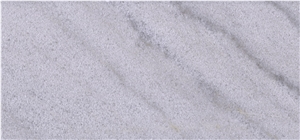
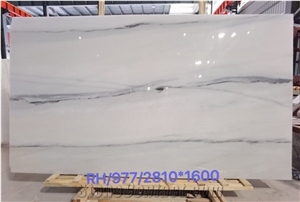
China Lactea Marble is a type of marble that originates from China. Marble, in general, is a porous natural stone and, as such, it can be affected by moisture and water absorption. In very rainy climates, where the marble is constantly exposed to water, there may be potential problems.
While China Lactea Marble can be used for exterior applications, it is important to consider certain factors before making a decision. Here are a few things to keep in mind:
1. Porosity: As mentioned earlier, marble is porous and can absorb water. In very rainy climates, constant exposure to moisture can lead to water infiltration, which may result in stains, discoloration, and even structural issues over time.
2. Sealant: To minimize water absorption, it is crucial to apply a high-quality sealant to the marble. This will help create a protective layer and prevent or minimize water damage. However, sealants may need to be reapplied periodically to maintain their effectiveness.
3. Care and maintenance: In rainy climates, regular maintenance of the marble is crucial. This involves cleaning the surface regularly, removing any standing water, and promptly addressing any issues that may arise.
4. Compatibility with the environment: It is also important to consider the local environment. Factors such as temperature fluctuations, freeze-and-thaw cycles, and pollution levels can also affect the performance of China Lactea Marble in exterior applications.
In conclusion, while China Lactea Marble can be used for exterior applications in very rainy climates, careful consideration of the above factors is essential to ensure its durability and longevity. It is advisable to consult with a professional stone supplier or contractor who can provide specific advice based on the local climate conditions.


 China




 Italy


 Greece


 Namibia

 Myanmar


 France
