Post Your Needs

Chinese Bulgari Marble

Marble

China

About

Item Details

Material Type:
Marble
Origin:
China
Recommended Usage:
Kitchen and bathroom countertops, monuments, building stone, ornamental stone, stairs, interior, exterior wall and floor applications, mosaic, waterjet pattern, wall panels, table tops, window sills, balustrades, columns, wall and pool copings, pool pavers, sculptures, fireplaces
Additional Names:
Bvlgari Blue Marble, Bulgari Blue Marble, Chinese Bvlgari Marble, Arabescato Elephant White Marble, Arabescato Elephant Marble, China Blue Galaxy Marble, Elephant White Marble, Elephant Gray Marble, in Chinese stone market: 中国宝格丽(Zhōngguó bǎo gé lì), Chinese Bulgari Marble
Finished Surface:
Polished,Bush Hammered,Tumbled,Brushed,Honed,Split,Machine Cut,Natural Surface,Sandblasted,Combed,Leathered,Water Jet,Filled,Chiseled,Pickling

Description

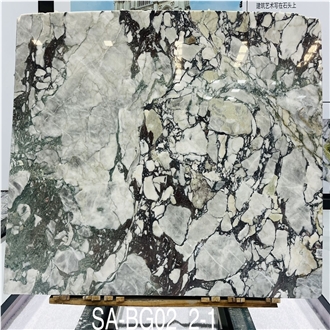
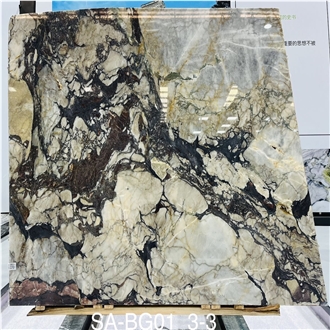
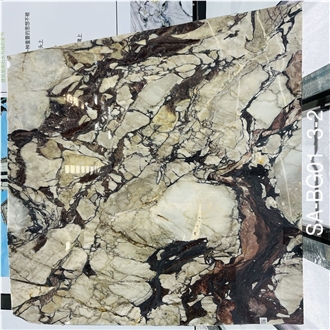
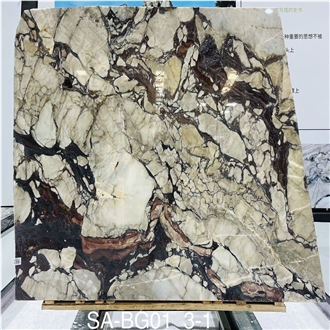
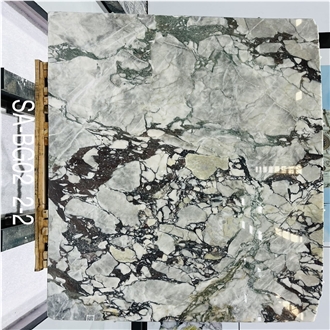
Chinese Bulgari Marble is a luxurious marble variety sourced from quarries in China, renowned for its elegant and captivating appearance. This marble showcases exquisite sunset curtains with plum lilac-grey shadows resembling large dry roses, set against a semi-white background adorned with striking white and gray patterns. Furthermore, it features subtle hints of sky blue, adding a touch of serenity to its overall aesthetic. Dark purple features further enrich the marble's allure, enhancing its sophistication and depth.

In terms of color variations, Chinese Bulgari Marble typically exhibits a base color of white or off-white. However, it may display natural veining patterns and various shades of gray, beige, or even light blue, reflecting the diverse mineral composition and geological influences during its formation process. These variations contribute to the marble's unique character and charm.

Additionally, the appearance of Chinese Bulgari Marble can be further enhanced or altered depending on the finish applied. Whether polished to a high gloss, honed to a smooth matte surface, or brushed for a textured effect, the marble's beauty can be customized to suit different design preferences and applications.

FAQ

How can I repair the scratched surface of the Chinese Bulgari Marble steps?

Repairing the scratched surface of Chinese Bulgari Marble steps requires a careful approach to restore its polished finish. Here’s a step-by-step guide to help you through the process: 1. **Assessment:** - Examine the scratches to determine their depth. Light scratches are often on the surface and easier to handle, while deep scratches might require more intensive restoration. 2. **Cleaning:** - Thoroughly clean the marble surface with a pH-neutral cleaner and a soft cloth or sponge to remove any dirt and debris. Avoid acidic or abrasive cleaners as these can damage the marble. 3. **Polishing for Light Scratches:** - Use a marble polishing powder or compound. Apply the powder according to the manufacturer’s instructions and use a damp cloth to rub it gently over the scratched area in a circular motion. - After rubbing for a few minutes, rinse the area with clean water and dry with a soft cloth. Assess whether the scratches are still visible and repeat if necessary. 4. **Sanding for Deeper Scratches:** - For deeper scratches, sanding might be required. Start with a fine-grit sandpaper (such as 400-grit) and sand the scratched area gently in a circular motion. - Gradually move to a finer grit (up to 1000 or 1200) to eliminate sanding marks and smooth the surface. - Clean the marble surface frequently with water to monitor your progress and ensure no dust remains. 5. **Polishing and Buffing:** - After sanding, use a marble polishing compound with a buffing pad to restore the shine. Apply the compound with a soft cloth or use a low-speed hand polisher. - Work in circular motions until the desired luster is achieved. 6. **Sealing:** - Once the surface is polished, apply a marble sealer to protect it from future stains and damage. Follow the manufacturers instructions and ensure the area is well-ventilated during application. - Allow the sealer to cure as per the recommended time before using the steps again. 7. **Regular Maintenance:** - Keep the marble clean and avoid using abrasive tools or harsh chemicals. Use rugs or mats in high-traffic areas to protect the marble and clean spills immediately to prevent staining. If the damage is extensive or you are uncertain about handling it yourself, consider hiring a professional stone restoration specialist to ensure the best results.
Can I mix cleaning vinegar and Dawn dish soap together to clean a Chinese Bulgari Marble countertop?

Mixing cleaning vinegar and Dawn dish soap is a common homemade cleaning solution. However, when it comes to cleaning specific materials like Chinese Bulgari Marble, its important to exercise caution. Marble is a natural stone and is sensitive to acidic substances, such as vinegar. Acid can etch the surface of the marble, causing it to dull and lose its shine. For cleaning marble countertops, its advisable to use a pH-neutral cleaner specifically designed for stone surfaces. Alternatively, you can simply use warm water and a mild, non-acidic dish soap. Always use a soft cloth or sponge, and avoid abrasive scrubbers that can scratch the marble. If youre ever unsure, its a good idea to test any cleaning solution on a small, inconspicuous area first. Also, remember to regularly seal your marble countertops to protect them from stains and damage.

Can Chinese Bulgari Marble be used as paving stone in areas with heavy snowfall in winter? Is it frost-resistant?

Chinese Bulgari Marble, like other marble types, is generally more susceptible to weathering compared to harder stones like granite. Marble is a metamorphic rock composed primarily of calcite, which can be affected by freeze-thaw cycles typically experienced in areas with heavy snowfall and cold winters. When water penetrates the stone and subsequently freezes, it can cause the stone to crack or become damaged over time due to expansion. While some marbles have better resistance to frost and can be used in outdoor paving applications, its important to consider the specific properties of the Chinese Bulgari Marble you are considering: 1. **Porosity:** The stones porosity determines how much water it will absorb. Lower porosity means better resistance to frost damage. 2. **Finish and Treatment:** A finish that reduces water absorption, such as sealing, can help protect the stone. Regular maintenance of the sealant is essential to ensure ongoing protection. 3. **Durability:** Assess the overall durability and hardness of the particular marble type. Some marbles have inherently better resistance to weathering than others. 4. **Installation Method:** Proper installation, with appropriate drainage and substrate preparation, can mitigate some of the risks associated with freeze-thaw cycles. For areas with heavy snowfall and frost, its generally recommended to choose a stone known for its frost resistance, such as granite or certain types of engineered stone products designed for such conditions. If you choose to use Chinese Bulgari Marble, you should consult with a stone professional or engineer to evaluate its suitability and ensure proper installation and maintenance processes are followed to enhance its performance in these conditions.

If I use Chinese Bulgari Marble as a bar countertop, will alcoholic drinks damage its surface over time?

Using Chinese Bulgari Marble as a bar countertop can present some maintenance challenges, especially concerning exposure to alcoholic drinks. Marble is a natural stone that is relatively porous and can be prone to staining and etching when it comes into contact with acidic substances, including many alcoholic beverages. Here are some considerations to keep in mind: 1. **Staining:** Alcohol, especially when mixed with acidic mixers (like citrus juices, sodas, etc.), can penetrate the porous surface of marble and potentially cause stains. Even pure alcohol may leave marks if spilled and not cleaned up promptly. 2. **Etching:** The acids in many drinks can react with the calcium carbonate in marble, leading to dull spots or etching on the surface. This is more about the finish being worn away rather than actual staining, but it can still affect the appearance over time. 3. **Sealing:** Regular sealing of the marble can help mitigate these issues by creating a protective barrier that reduces the stones porosity. However, sealing is not a foolproof or permanent solution; you will need to reapply sealant periodically. 4. **Maintenance:** Prompt cleaning of spills with a mild soap and water solution can help minimize damage. Avoid using harsh or abrasive cleaners that could further damage the surface. 5. **Protective Measures:** Consider employing additional protective measures, such as using coasters and trays under drinks, to further protect the marble surface. In summary, while Chinese Bulgari Marble can be used as a bar countertop, it requires diligent maintenance and prompt attention to spills to keep it looking its best over time. If low maintenance is a priority, you might want to consider more durable and less porous materials like quartz or certain granites.

How can I remove mold from Chinese Bulgari Marble wall tiles?

Removing mold from Chinese Bulgari marble wall tiles requires a gentle yet effective approach to avoid damaging the stone. Here are some steps you can follow: 1. **Safety Precautions**: - Wear protective gloves, a mask, and goggles to protect yourself from mold spores and cleaning agents. - Ensure good ventilation in the area. 2. **Initial Cleaning**: - Use a soft, dry cloth to gently wipe away any loose mold spores on the surface of the tiles. If the mold is dry, you can also use a soft-bristled brush to dislodge it. 3. **Mix a Cleaning Solution**: - Create a mild cleaning solution using a mix of warm water and a few drops of a pH-neutral stone cleaner, which is safe for marble. 4. **Scrubbing the Tiles**: - Dampen a soft cloth or sponge in the cleaning solution and gently scrub the mold-affected areas. Avoid using too much water, as excess moisture can penetrate the marble and cause damage. 5. **Use Distilled White Vinegar (Optional)**: - If the mold persists, dampen a clean cloth with distilled white vinegar and apply it gently to the affected areas. Let it sit for about 10-15 minutes. Although vinegar is mildly acidic, it can help kill mold without causing harm if used sparingly and wiped off promptly. 6. **Rinsing**: - After cleaning, thoroughly rinse the area with a clean, damp cloth to remove any remaining cleaning solution or vinegar. 7. **Drying**: - Use a dry, soft cloth to wipe the tiles completely dry to ensure no moisture remains, as moisture can encourage mold regrowth. 8. **Prevent Future Mold Growth**: - Reduce humidity in the area by improving ventilation or using a dehumidifier. - Regularly clean and dry the tiles to prevent moisture accumulation. - Consider using a marble sealer periodically to protect the stone from moisture infiltration. 9. **Professional Help**: - If the mold persists after attempting removal, consider consulting with a professional who specializes in stone restoration. Always test any cleaning solution in a small, inconspicuous area first to ensure it does not damage the marble.

Will a hot pot leave a mark on a Chinese Bulgari Marble kitchen countertop?

Placing a hot pot directly on a Chinese Bulgari Marble kitchen countertop can potentially leave a mark or cause damage. Marble is a natural stone that is more susceptible to staining and etching from heat compared to materials like granite or quartz. The high temperature can cause discoloration or even cracks in some cases. To prevent damage, it is advisable to use trivets, pot holders, or heat-resistant pads underneath hot pots and pans. This extra precaution can help maintain the condition and appearance of your marble countertop.

Does Chinese Bulgari Marble countertop crack easily?

Chinese Bulgari Marble countertop is a durable and strong material that is less prone to cracking compared to other types of marble. However, like all-natural stone materials, it can still crack under extreme pressure or if not properly maintained. It is important to treat the marble countertop with care, avoid placing hot items directly on the surface, and clean up spills promptly to prevent any potential damage or cracking.

Does Chinese Bulgari Marble countertop stain easily?

Chinese Bulgari marble countertops are generally considered to be more prone to staining compared to other types of marble due to its softer and more porous nature. It is important to seal the marble regularly to help prevent staining and to clean up spills immediately. Using coasters and cutting boards can also help protect the surface from potential staining. Overall, proper maintenance and care can help prevent staining on Chinese Bulgari marble countertops.

How often should I reseal Chinese Bulgari Marble countertop?

It is recommended to reseal a Chinese Bulgari Marble countertop at least once a year to ensure it remains protected and looking its best. However, the frequency of resealing may depend on the usage of the countertop and the type of sealer used. If the countertop sees heavy use, it may be necessary to reseal it more frequently. It is important to follow the manufacturers recommendation for the specific sealer being used to maintain the longevity and beauty of the marble countertop.

Is Chinese Bulgari Marble porous?

Chinese Bulgari Marble is a type of marble that is known for its durability and low porosity. However, like all natural stones, it still has some level of porosity. Proper sealing can help reduce the porosity and make it more resistant to stains and water damage.

Products & Prices

View More

Hot Marble

New Marble

Post Your Request

The request includes:
  1. surface finished, size
  2. quantity required