Post Your Needs

Cipolin Sanguins Marble

Red - Marble

Algeria

About

Item Details

Material Type:
Marble
Origin:
Algeria (Chouarfa, Oran)
Primary Color(s):
Red
Recommended Usage:
Kitchen and bathroom countertops, wash basins, building stone, ornamental stone, stairs, interior, exterior wall and floor applications, mosaic, waterjet pattern, wall panels, table tops, balustrades, columns, wall and pool copings, pool pavers, fireplaces
Additional Names:
Cipolin Sangrée Marbre, Marbre Cipolin Sangrée, Cipolin Sanguins d'Oran Marble, Yellowish Red Marble, Cipolin Sanguins Limestone, Rosa Damascus Marble, Rosso Damascus Marble, Cipolin Sanguins, Cipolin Sanguins Marble
Finished Surface:
Polished,Bush Hammered,Tumbled,Brushed,Honed,Split,Machine Cut,Natural Surface,Sandblasted,Combed,Leathered,Water Jet,Filled,Chiseled,Pickling

Testing

Density:
2680 - 2720 Kg/m³
Flexural Strength:
11 - 14 MPa
Compressive Strength:
90 - 110 MPa
Stone texture:
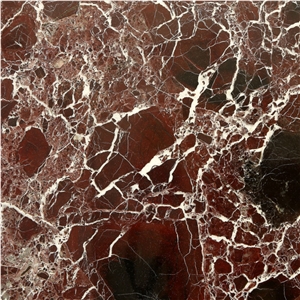
dominated by rich, warm reds—ranging from deep crimson and burgundy to softer terracotta or salmon-pink

Description

Cipolin Sanguins Marble is a distinctive and aesthetically compelling natural stone quarried in Chouarfa, Oran, Algeria. It is celebrated for its rich, warm red hues, which span a spectrum from deep crimson and burgundy to softer terracotta and salmon-pink shades.

Physical and Mechanical Properties

  • Water Absorption: Typically low, indicating good resistance to staining and water damage.
  • Density: Approximately 2.68 to 2.72 g/cm³, suggesting a well-compacted and robust stone.
  • Flexural Strength: Around 11 to 14 MPa, showcasing reasonable resistance to bending pressures.
  • Compressive Strength: Between 90 to 110 MPa, highlighting its ability to withstand significant stress and pressure.
  • Hardness: Ranges between 3 to 4 on the Mohs scale, suggesting moderate scratch resistance.
  • Porosity: Low to medium, which affects its staining properties and weather resistance.
  • Slip Resistance: Depends on the finish; polished surfaces are less slip-resistant compared to honed or textured finishes.

Chemical and Mineral Composition

  • Calcite (CaCO₃): 60-90% – The primary mineral, contributing to its hardness and color.
  • Quartz (SiO₂): 5-20% – Provides additional durability.
  • Iron Oxides (Fe₂O₃): 1-10% – Responsible for the reddish hues.
  • Mica: Trace amounts – May add to the marble's sheen and durability.
  • Other Minerals: Includes small amounts of clay minerals, which may affect weathering and surface texture.

Chemical Composition (% by Weight)

  • CaO (Calcium Oxide): Approximately 30-50%
  • SiO₂ (Silica): 5-20%
  • Fe₂O₃ (Iron Oxide): 1-10%
  • Al₂O₃ (Alumina): 1-5%

Usage

  • Interior Flooring: Popular due to its rich color and durability.
  • Wall Cladding: Used in both interior and exterior settings for its aesthetic appeal.
  • Countertops and Vanities: Its unique color elevates interior design elements.
  • Decorative Elements: Used in art, sculpture, and small decorative items.
  • Staircases and Fireplaces: Offers a sophisticated and luxurious appearance.

Maintenance

  • Regular cleaning with a damp cloth, avoiding acidic or abrasive cleaners.
  • Sealing is recommended to enhance stain resistance and preserve the stone's finish.
  • Polishing can restore shine, while periodic re-sealing helps maintain longevity.

Cutting Sizes (cm)

  • Standard Slabs: Typically available in 2 cm and 3 cm thicknesses.
  • Tile Sizes: Commonly available in 30x30 cm, 30x60 cm, and 60x60 cm, though custom sizes can often be requested.

Surface Finish Options

  • Polished: Offers a high-gloss finish that highlights the stone's vibrant colors but reduces slip resistance.
  • Honed: Provides a matte finish that enhances slip resistance and is less prone to showing scratches.
  • Brushed: Creates a textured surface with a slightly aged appearance.
  • Tumbled: Produces an antiqued or rustic look, with rounded edges for softer aesthetics.

This marble is a premium choice for environments seeking both elegance and a touch of warmth, perfectly blending luxury and natural beauty. The versatility in finishes and applications ensures that Cipolin Sanguins Marble can cater to diverse architectural and design preferences.
FAQ

Can Algeria's Cipolin Sanguins Marble be used exterior applications in very humid climates?

Algerias Cipolin Sanguins Marble can generally be used for exterior applications in humid climates. However, it is important to note that marble, being a natural stone, is susceptible to weathering and may require proper maintenance and sealing to withstand the effects of a very humid climate. Additionally, the specific durability and suitability of marble in a humid climate may depend on factors such as the thickness, quality, and treatment of the marble, as well as the level of humidity and maintenance practices in the specific location. Consulting with a professional architect or contractor who has experience working with marble in humid climates would be recommended for accurate guidance.

Can Algeria's Cipolin Sanguins Marble be used in landscaping?

Yes, Algerias Cipolin Sanguins Marble can be used in landscaping. This type of marble is often revered for its beautiful red and white veining, making it an attractive option for various outdoor applications. It can be used in landscaping to create pathways, patios, steps, or decorative elements such as fountains, statues, or seating areas. The high durability and natural aesthetic of the marble make it a popular choice for adding elegance and sophistication to outdoor spaces.

How thick is Algeria's Cipolin Sanguins Marble slabs?

The thickness of Algerias Cipolin Sanguins Marble slabs can vary depending on the supplier and the specific order requirements. In general, marble slabs are available in thicknesses ranging from 2 centimeters (0.79 inches) to 3 centimeters (1.18 inches).

Can Algeria's Cipolin Sanguins Marble be used in a dining room?

Yes, Algerias Cipolin Sanguins Marble can be used in a dining room. Marble is a popular choice for dining room countertops, flooring, and even decorative features such as tabletops or accent walls. The Cipolin Sanguins Marble from Algeria is known for its stunning combination of white and red veins, which can add elegance and sophistication to any dining room decor. However, it is important to note that marble is a natural stone and can be susceptible to scratches and etching from acidic substances, so proper care and maintenance should be taken to preserve its beauty.

Are there color variations of Algeria's Cipolin Sanguins Marble?

Yes, there can be color variations in Algerias Cipolin Sanguins Marble. The base color of the marble is typically white or off-white with gray or black veins. However, the intensity and distribution of the veins can vary, resulting in different patterns and color variations. Some variations may have more prominent or darker veins, while others may have lighter or more subtle veining. These variations can give the marble a unique and distinctive appearance.

Is Algeria's Cipolin Sanguins Marble an expensive stone?

I do not have access to current market prices of specific stones or materials. Prices for Cipolin Sanguins Marble can vary depending on factors such as quality, availability, and location. It is best to consult with a reputable stone supplier or industry expert for current pricing information.

Hot Red Marble

New Marble

Post Your Request

The request includes:
  1. surface finished, size
  2. quantity required