Post Your Needs

Cipollino GreyWave Marble

Marble

Italy

About

Item Details

Material Type:
Marble
Origin:
Italy (Vagli di Sopra, Valle Garfagnana, Provincia di Lucca, Toscana)
Recommended Usage:
Kitchen and bathroom countertops, wash basins, building stone, ornamental stone, stairs, interior, exterior wall and floor applications, mosaic, waterjet pattern, wall panels, table tops, balustrades, columns, wall and pool copings, pool pavers, fireplaces
Additional Names:
Cipollino Nuvolato Marble, Cipollino Toscano Marble, Cipollino GreyWave Marble, Cipollino Grey Wave Marble, Cipollino Grey Marble, Gray Cipollino Marble, Cipollino GreyWave Marble
Finished Surface:
Polished,Bush Hammered,Tumbled,Brushed,Honed,Split,Machine Cut,Natural Surface,Sandblasted,Combed,Leathered,Water Jet,Filled,Chiseled,Pickling

Testing

Water Absorption:
0.20 - 0.40 % by weight
Density:
2680 - 2720 Kg/m³
Flexural Strength:
10 - 14 MPa
Compressive Strength:
95 - 120 MPa

Description

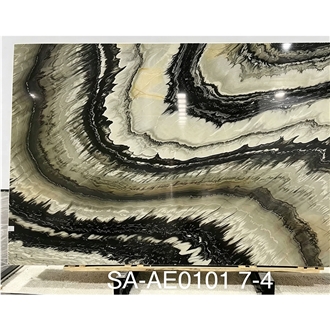
Cipollino GreyWave Marble is a refined and evocative Italian natural stone, distinguished by a mysterious interplay of white, gray, and black veins that intertwine in fluid, wave-like formations. Each slab presents a unique and unrepeatable pattern, expressing movement, depth, and quiet strength. The stone evokes the emotion of discovery and the fascination of solitude, with icy white expanses that appear still at first glance, yet reveal a continuous flowing motion—like geological currents carving their own path along mountain slopes. Quarried in Italy, Cipollino GreyWave embodies timeless elegance and natural poetry.

Texture

  • Fine to medium crystalline structure
  • Compact yet naturally foliated marble typical of Cipollino stones
  • Smooth surface with subtle directional grain
  • Silky touch when honed; luminous depth when polished

Pattern

  • Flowing, linear to wavy veining with directional movement
  • Interlaced veins in white, silver gray, charcoal, and black
  • Natural sense of motion, ideal for vein-matched and bookmatched layouts
  • Strong visual rhythm with a calm, architectural character

Physical & Mechanical Test Results (typical values)

  • Density: 2.68–2.72 g/cm³
  • Water Absorption: 0.20–0.40 % by weight
  • Compressive Strength: 95–120 MPa
  • Flexural Strength: 10–14 MPa
  • Abrasion Resistance: Moderate (recommended for interior applications)
  • Mohs Hardness: 3–4

Chemical Composition (approx. % by weight)

  • Calcium Carbonate (CaCO₃): 92–96 %
  • Magnesium Carbonate (MgCO₃): 1–3 %
  • Silica (SiO₂): 1–2 %
  • Iron Oxides & Trace Minerals: <1 %

Mineral Composition (approx. % by weight)

  • Calcite: 88–94 %
  • Dolomite: 2–4 %
  • Quartz: 1–2 %
  • Mica & Accessory Minerals: <1 %

Applications / Usage

  • Interior wall cladding and feature walls
  • Flooring in low to medium traffic areas
  • Bathroom walls, vanity tops, and shower surrounds
  • Fireplace surrounds
  • Stair risers and decorative steps
  • Luxury residential and boutique hospitality interiors

Maintenance

  • Seal before installation and reseal periodically
  • Clean using pH-neutral stone cleaners only
  • Avoid acidic, alkaline, or abrasive substances
  • Promptly remove spills to prevent etching or staining
  • Use protective pads on furniture and countertops

FAQ

How can I clean the grout of Cipollino GreyWave Marble wall tiles?

Cleaning the grout of Cipollino GreyWave Marble wall tiles requires a gentle approach to avoid damaging the marble. Here’s a step-by-step guide for cleaning: 1. **Initial Preparation:** - **Gather Materials:** Soft cloths, a soft-bristle brush or an old toothbrush, pH-neutral stone cleaner or a homemade solution of warm water and mild dish soap, and clean water for rinsing. - **Protect Surrounding Areas:** Use painter’s tape to protect adjoining surfaces if needed. 2. **Dusting and Wiping:** - **Dry Dusting:** Use a dry microfiber cloth to remove any dust or loose dirt from the marble and grout to prevent scratches. - **Damp Wiping:** Dampen another microfiber cloth with clean water and gently wipe the surface to remove any loose impurities. 3. **Cleaning the Grout:** - **Apply Cleaner:** Spray or apply a small amount of pH-neutral stone cleaner or your homemade warm water and mild dish soap solution directly onto the grout lines. - **Scrubbing:** Use a soft-bristle brush or an old toothbrush to gently scrub the grout. Use small, circular motions and avoid applying too much pressure to prevent damaging the marble. 4. **Rinsing the Grout:** - **Rinse Cloth:** Rinse a microfiber cloth in clean water, wring it out, and wipe away the remaining cleaner from the grout and marble. Ensure the cloth isnt dripping wet to avoid water spots on the marble. 5. **Drying:** - **Final Wipe:** Use a clean, dry microfiber cloth to buff the tiles and grout. This will help remove any excess moisture and bring out the natural shine of the marble. 6. **Sealing the Grout (Optional):** - **Seal Grout:** Consider applying a penetrating grout sealer if it’s not yet sealed or if it’s been a while since it was last sealed. Follow the manufacturers instructions carefully and ensure its suitable for use with marble tiles. 7. **Regular Maintenance:** - **Spot Clean:** Address spills immediately with a soft, damp cloth to prevent staining. - **Routine Cleaning:** Use a pH-neutral cleaner regularly to maintain cleanliness and prevent buildup. **Important Tips:** - Avoid abrasive cleaners or tools that may scratch the marble. - Never use acidic cleaners, such as vinegar or lemon juice, on marble surfaces, as they can etch the stone. - Test any cleaning solution on an inconspicuous area first to ensure it doesn’t damage the marble. By following these steps, you can effectively clean the grout of Cipollino GreyWave Marble wall tiles while maintaining the beauty and integrity of the marble.
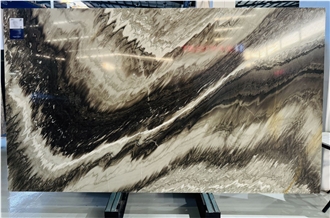
I have a Cipollino GreyWave Marble tabletop with a vein that looks broken. Should I glue it?

If your Cipollino GreyWave Marble tabletop has a vein that appears broken, its important to assess the situation carefully before deciding to glue it. Here are a few steps and considerations: 1. **Assess the Damage**: Determine if the vein is merely a visual feature or if the tabletop itself has a structural crack. If it’s a superficial issue, it might not need intervention. 2. **Consult a Professional**: Marble is a valuable and often delicate material. Consulting a stone professional or restoration expert can provide you with the best course of action, especially for structural issues. 3. **Choose the Right Adhesive**: If you decide to proceed with gluing, make sure to use an adhesive specifically designed for stone repair, such as an epoxy resin. This type of adhesive provides strength and durability. 4. **Preparation**: Clean the area thoroughly before applying any adhesive. Dust, dirt, and oil can affect the adhesion. 5. **Application**: If you are comfortable with a DIY approach, follow the instructions carefully for the adhesive you choose. You might need to clamp the pieces together while the adhesive cures. 6. **Finishing**: After the adhesive has cured, you may need to polish the area to ensure it matches the rest of the tabletop. 7. **Preventive Measures**: Consider applying a sealant to the marble to protect it from future damage and stains. If the vein is purely a natural characteristic of the stone and not indicative of actual damage, it may not require any repair. Always err on the side of caution with valuable and potentially fragile pieces, and when in doubt, professional advice is the best course of action.

My Cipollino GreyWave Marble bathroom countertop has turned yellow; how can I restore it to its original color?

Restoring your Cipollino GreyWave Marble countertop to its original color can be quite challenging, especially if the yellowing is deep or widespread. Here are some steps you can take to try to restore it: 1. **Identify the Cause**: Before proceeding, try to determine what caused the yellowing. Common causes include iron oxidation, oil stains, wax buildup, or improper cleaning products. 2. **Cleaning the Surface**: - Use a neutral pH stone cleaner specifically designed for marble. Avoid acidic or abrasive cleaners as they can damage the marble further. - Mix the cleaner with water according to the instructions and gently scrub the surface with a soft cloth or sponge. - Rinse thoroughly with clean water and dry the surface with a soft towel. 3. **Poultice for Stains**: - For deep stains, create a poultice. Mix hydrogen peroxide (for organic stains) or ammonia (for oil-based stains) with a cup of baking soda to form a thick paste. - Apply the poultice over the yellowed areas, cover it with plastic wrap, and seal the edges with tape. - Leave it to dry completely, typically 24-48 hours, then carefully remove the poultice and clean the area with water. 4. **Professional Refinishing**: - If the yellowing persists, consider hiring a professional stone restoration expert. They can hone and polish the marble, which may help remove deeper stains or discoloration. - Professionals may also use a diamond abrasive technique to restore the surface. 5. **Sealing the Marble**: - After cleaning or restoration, apply a high-quality marble sealer. This helps protect the marble and prevent further staining or yellowing. - Follow the sealers instructions for best results, making sure the marble is completely dry before application. 6. **Regular Maintenance**: - To prevent future discoloration, clean the countertop regularly with appropriate marble-safe cleaners. - Wipe up spills immediately, especially those involving acidic substances like lemon juice or vinegar, as they can etch marble. Always test any cleaning solution or method on a small, inconspicuous area before applying it to the entire surface. If youre unsure about any step, its best to consult a professional for advice specific to your situation.

Will a hot pot leave a mark on a Cipollino GreyWave Marble kitchen countertop?

Placing a hot pot directly on a Cipollino GreyWave Marble countertop can potentially leave a mark or cause damage. Marble is a natural stone thats sensitive to heat, and extreme temperature changes can lead to thermal shock, which might cause the stone to crack or discolor. Additionally, the heat can affect the sealant used on the marble, potentially leading to further damage or etching. To prevent any damage, its advisable to use trivets, hot pads, or similar protective barriers between hot cookware and the marble surface. This precaution helps maintain the integrity and appearance of your marble countertop.

If lemonade spills on a Cipollino GreyWave Marble kitchen countertop, will it damage the surface?

Cipollino GreyWave Marble, like other marble surfaces, is composed primarily of calcium carbonate, which can be sensitive to acidic substances such as lemon juice. When lemonade spills on a marble countertop, it can potentially etch or dull the surface if it is not cleaned up promptly. Etching is a form of surface damage that manifests as dull spots or marks on the marble. To prevent damage, it is important to immediately blot the spill with a soft, absorbent cloth, rather than wiping it, as wiping can spread the acidic liquid further. After blotting, clean the area with a pH-neutral cleaner specifically designed for marble surfaces, and then rinse with water. Regularly sealing the marble can also provide a level of protection against staining and etching, though it wont make the surface completely impervious. If etching does occur, you may need to use a marble polishing compound to restore the finish, or in more severe cases, seek professional refinishing services.

Can I use bleach when cleaning a Cipollino GreyWave Marble kitchen countertop?

Using bleach on a Cipollino GreyWave Marble kitchen countertop is not recommended. Marble is a natural stone and is susceptible to damage from acidic or harsh cleaning products like bleach. These chemicals can etch or dull the surface of the marble, leading to permanent damage. Instead, clean your marble countertop with a pH-neutral, non-abrasive cleaner. Warm water mixed with a mild dish soap is often effective. Use a soft cloth or sponge to gently clean the surface, and be sure to dry the countertop thoroughly to prevent water stains. Regularly sealing the marble can also help protect it from stains and damage. If you have tougher stains or need a deeper clean, consider consulting a professional who specializes in natural stone care.

If I cut meat directly on my Cipollino GreyWave Marble kitchen countertop, will it damage the surface?

Cutting meat directly on your Cipollino GreyWave Marble countertop is not advisable. Marble is a relatively soft and porous stone compared to other materials like granite or quartz, which means it can be easily scratched or damaged by sharp objects like knives. Moreover, cutting directly on marble can dull your knives over time. Additionally, due to marbles porous nature, it can absorb liquids and stains, which might occur if raw meat juices seep into the surface. This not only risks damaging the marble but can also lead to hygiene issues. To protect both your countertop and your knives, its best to use a cutting board when preparing food. This will help maintain the beauty and longevity of your marble surface.

Products & Prices

Hot Marble

New Marble

Post Your Request

The request includes:
  1. surface finished, size
  2. quantity required