Post Your Needs

Cipollino Toscano Marble

Grey - Marble

Italy

About

Item Details

Material Type:
Marble
Origin:
Italy (Vagli di Sopra, Valle Garfagnana, Provincia di Lucca, Toscana)
Primary Color(s):
Grey
Recommended Usage:
Kitchen and bathroom countertops, monuments, building stone, ornamental stone, Kitchen and bathroom countertops, building stone, ornamental stone, stairs, interior wall and floor applications, mosaic, waterjet pattern, wall panels, table tops, columns, fireplace surround
Additional Names:
Marmo Cipollino Toscano, Toscano Cipollino Marble, Cipollino Nuvolato Marble, Cipollino Marble, Cipollino Greywave Marble, Cipollino Gray Wave Marble, Cipollino Classico Nuvolato Marble, Cipollino Toscano Marble
Finished Surface:
Polished,Bush Hammered,Tumbled,Brushed,Honed,Split,Machine Cut,Natural Surface,Sandblasted,Acid Washing,Combed,Leathered,Water Jet,Filled,Chiseled,Pickling

Testing

Water Absorption:
0.1% to 0.3%
Density:
2720 kg/m3
Flexural Strength:
12.08 MPa
Compressive Strength:
76.39 - 90.00 MPa

Description

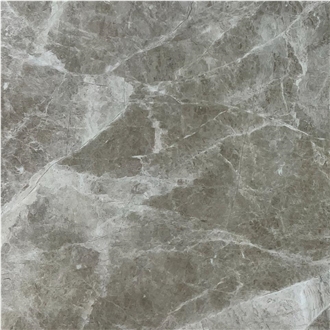
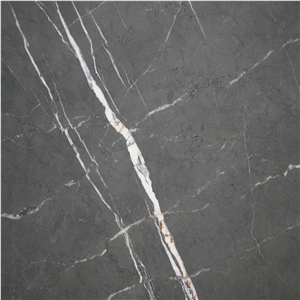
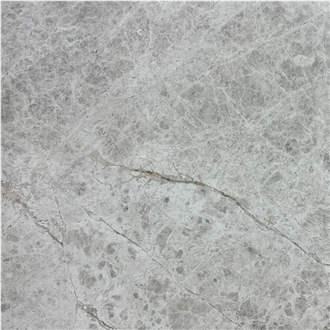
Cipollino Toscano Marble is a distinguished and elegant stone, prized for its serene yet striking appearance. The marble features a soft white to light creamy semi-white background, which provides a neutral and sophisticated base. The surface is adorned with dramatic large wave-like veins that range from dark gray to black, with delicate purple undertones woven throughout. These bold, flowing veins create a dynamic contrast against the lighter background, adding depth, movement, and a touch of luxury to the stone.

Quarried in Vagli di Sopra, in the picturesque Valle Garfagnana region of Provincia di Lucca, Tuscany, Cipollino Toscano is a high-end marble that is revered for its timeless elegance. The rich veining gives the stone an almost natural, organic feel, as if capturing the essence of Tuscan landscapes within each piece. This marble is an excellent choice for a variety of applications, from countertops and flooring to wall cladding and luxurious interior features, offering both visual drama and understated beauty. Its combination of soft tones and bold veining ensures that Cipollino Toscano Marble is perfect for creating spaces that exude sophistication and refined taste.

FAQ

How can I clean the grout of Cipollino Toscano Marble wall tiles?

Cleaning grout on Cipollino Toscano Marble wall tiles requires a gentle approach to avoid damaging the marble. Here’s a step-by-step guide to help you clean the grout safely: 1. **Materials Needed:** - pH-neutral stone cleaner - Soft-bristle brush or toothbrush - Warm water - Microfiber cloth or soft sponge - Grout sealant (if needed) 2. **Preparation:** - Ensure the area is well-ventilated. - Test the cleaner on a small, inconspicuous area to make sure it doesn’t damage the marble. 3. **Cleaning Process:** - Dilute the pH-neutral stone cleaner with warm water according to the product instructions. Avoid acidic or abrasive cleaners, as they can damage marble surfaces. - Apply the cleaning solution to the grout lines using a spray bottle or by gently brushing it on with a soft sponge. - Let the solution sit for a few minutes to loosen any dirt or grime. - Use a soft-bristle brush or a toothbrush to gently scrub the grout. Be careful to avoid scrubbing the marble tile itself to prevent scratching. - Wipe away the loosened grime and cleaner with a damp microfiber cloth. - Rinse the area thoroughly with clean water and use a dry cloth to remove any excess moisture. 4. **Final Steps:** - Once the grout is clean and fully dry, consider applying a grout sealant to protect against future staining. Ensure the sealant is suitable for use with marble. 5. **Regular Maintenance:** - Regularly clean the tiles and grout using a pH-neutral cleaner to maintain their appearance. - Quickly wipe up any spills or stains to prevent them from setting into the grout or marble. By using the right products and gentle techniques, you can effectively clean the grout without damaging the Cipollino Toscano Marble.

I have a Cipollino Toscano Marble tabletop with a vein that looks broken. Should I glue it?

If your Cipollino Toscano Marble tabletop has a vein that looks broken or is cracked, its important to assess the damage carefully before attempting any repairs. Here are some steps you can follow: 1. **Evaluate the Damage:** - Check if the damage is superficial or if the crack goes through the marble. - Examine if the crack affects the structural integrity of the tabletop. 2. **Consider Professional Help:** - Marble repair can be delicate, and improper repair might worsen the damage or affect the appearance. - If the crack is significant, consider consulting a professional who specializes in marble repair for advice or repair services. 3. **DIY Repair:** - If you’re comfortable doing it yourself and the damage is minor, you can attempt a repair. - Use an epoxy or resin specifically designed for natural stone. These materials are durable and can be color-matched to the marble. - Clean the area thoroughly to ensure good adhesion. - Apply the epoxy as instructed, ensuring the crack is filled completely. - Wipe away any excess and allow the epoxy to cure completely before using the tabletop. 4. **Repair Kit:** - Consider purchasing a marble repair kit that includes all necessary materials and instructions. - These kits often include pigments to match the unique coloration of your marble. 5. **Seal the Surface:** - Once the repair is complete, consider sealing the marble to protect it from future damage. Always test any adhesive or repair material on a small, inconspicuous area first to ensure it doesnt discolor or damage the marble. If in doubt, consulting a professional is the best course of action to preserve the aesthetic and structural integrity of your marble tabletop.

My Cipollino Toscano Marble bathroom countertop has turned yellow; how can I restore it to its original color?

Cipollino Toscano Marble is a beautiful and unique type of marble characterized by its shades and veining. If your countertop has turned yellow, it could be due to a few reasons like oxidation of iron deposits in the marble, residue buildup from cleaning products, or sealant deterioration. Here are some steps you can take to restore it to its original color: 1. **Clean the Surface Thoroughly:** - Use a pH-neutral cleaner specifically designed for natural stone. Avoid acidic or abrasive cleaners as they can deteriorate the marble. - Gently scrub the surface with a soft, non-abrasive cloth or sponge to remove any surface dirt or residue. 2. **Remove Surface Stains:** - Create a poultice using a mixture of baking soda and water (or hydrogen peroxide for more stubborn stains). Apply it over the stained area and cover it with plastic wrap. Leave it for 24 to 48 hours before removing the poultice and rinsing the area. 3. **Use a Marble Polishing Powder:** - You can purchase commercial marble polishing powder and follow the instructions to buff the surface. This may help restore some shine and color. 4. **Check for Metal or Rust Stains:** - If iron deposits in the marble have oxidized, you may need a professional stone restorer to handle it because removing rust stains from marble can be challenging and might require expert intervention. 5. **Inspect and Reseal:** - If the yellowing is due to sealant issues, strip the old sealant using a sealant remover. After thoroughly cleaning and drying the marble, apply a fresh, high-quality sealant suitable for marble to help protect the surface. 6. **Professional Restoration:** - If the above methods do not restore your countertop, or if youre unsure about handling marble restoration yourself, consider consulting with a professional who specializes in natural stone care. They can provide more specialized treatments like grinding, honing, or chemical cleaning. To prevent future yellowing, maintain a regular cleaning routine with appropriate products and ensure the marble is periodically resealed to protect it from moisture and staining.

Will a hot pot leave a mark on a Cipollino Toscano Marble kitchen countertop?

Cipollino Toscano Marble, like other natural marbles, is susceptible to etching, staining, and thermal shock. Placing a hot pot directly on the marble surface can potentially leave a mark. Heat can cause discoloration or thermal shock, which might lead to cracks or other damage. Additionally, marble is sensitive to acidic substances and can etch if exposed, although heat alone is a different concern. To protect your marble countertop, its advisable to use trivets, hot pads, or heat-resistant mats when placing hot items on the surface. This will help prevent potential damage and maintain the beauty of your countertop.

If lemonade spills on a Cipollino Toscano Marble kitchen countertop, will it damage the surface?

Cipollino Toscano Marble is a type of natural stone that is more porous and susceptible to etching and staining compared to other materials like granite. Lemonade, which is acidic due to its citric acid content, can potentially damage the surface of the marble. The acid can react with the calcium carbonate in the marble, leading to etching, which is a dulling or alteration of the surface finish. If lemonade spills on a Cipollino Toscano Marble countertop, its important to clean it up immediately to minimize the potential for damage. Use a soft, damp cloth or a sponge with a pH-neutral cleaner specifically formulated for natural stone. Avoid using harsh or acidic cleaners, as they can exacerbate damage to the marble. Regular sealing of the countertop can also help protect the surface from staining and etching, although it wont make it completely impervious to acidic substances.

Can I use bleach when cleaning a Cipollino Toscano Marble kitchen countertop?

Using bleach to clean a Cipollino Toscano marble countertop is not recommended. Marble is a natural stone that can be quite sensitive to acidic or harsh chemicals, and bleach can cause etching or discoloration. Instead, its best to use a pH-neutral cleaner specifically designed for natural stone surfaces. You can also use a mixture of mild dish soap and warm water to clean the countertop. Always use a soft cloth or sponge to avoid scratching the surface, and ensure you wipe up any spills quickly to prevent staining or damage. Regularly sealing the marble can also help protect it from stains and damage.

If I cut meat directly on my Cipollino Toscano Marble kitchen countertop, will it damage the surface?

Cutting meat directly on your Cipollino Toscano Marble kitchen countertop is not recommended. Marble is a relatively soft and porous stone, and using it as a cutting surface can lead to several issues: 1. **Scratches and Cuts**: Marble is susceptible to scratching from sharp objects like knives. Cutting directly on the surface can leave noticeable marks and damage the polished finish. 2. **Stains and Etching**: Marble is porous and can absorb liquids and acids from foods, which might cause staining. Acidic substances such as lemon juice, vinegar, or certain cleaning agents can also cause etching, which is a dulling or discoloration of the surface. 3. **Bacteria Growth**: Using the countertop as a cutting board, especially with raw meat, can lead to bacterial contamination. Marbles porous nature can make it harder to sanitize effectively. To protect your marble countertop, its best to use a cutting board whenever you prepare food. This will help preserve the beauty and integrity of the marble surface.

Can Italy's Cipollino Toscano Marble be used exterior applications in cold climates?

Yes, Italys Cipollino Toscano Marble can be used for exterior applications in cold climates. It is a durable and weather-resistant marble that can withstand freezing temperatures and other harsh weather conditions. However, it is always recommended to consult with a professional architect or contractor to ensure that the specific installation and conditions are suitable for the marble in question.

Can Italy's Cipollino Toscano Marble be used in wall coverings?

Yes, Italys Cipollino Toscano Marble can be used in wall coverings. It is a versatile and popular marble variety known for its unique green and white striped patterns. Cipollino Toscano Marble is often used for interior and exterior applications, including wall cladding, wall tiles, and even decorative accents on walls. Its natural beauty and durability make it a suitable choice for different design styles and applications.

Can Italy's Cipollino Toscano Marble be used in a bathroom?

Yes, Italys Cipollino Toscano Marble can be used in a bathroom. Marble is a popular choice for bathroom surfaces as it is durable, resistant to moisture, and has an elegant appearance. However, it is important to properly seal and maintain marble to protect it from stains and potential damage in a bathroom environment. Additionally, due to its natural veining and patterns, Cipollino Toscano Marble can add a beautiful and unique touch to bathroom design.

Products & Prices

Hot Grey Marble

New Marble

Post Your Request

The request includes:
  1. surface finished, size
  2. quantity required