Post Your Needs

Classic Blue Marble

Marble

Viet Nam

About

Item Details

Material Type:
Marble
Origin:
Viet Nam
Recommended Usage:
kitchen and bathroom countertop, wash basins, building stone, ornamental stone, stairs, interior, exterior wall and floor applications, mosaic, water-jet pattern, wall panels, table tops, balustrades, columns, wall and pool copings, pool pavers, sculptures, fireplaces, window sills
Additional Names:
Classic Blue Quartzite, Golden Classic Blue Marble, Classic Blue Duke Marble, Classic Blue Earl Marble, Jindian Lanjue Marble, in China stone market:金典蓝爵(Jīn Diǎn Lán Jué)
Finished Surface:
Polished,Bush Hammered,Tumbled,Brushed,Honed,Split,Machine Cut,Natural Surface,Sandblasted,Combed,Leathered,Water Jet,Chiseled,Pickling

Description

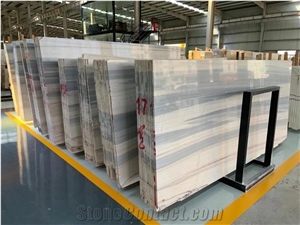
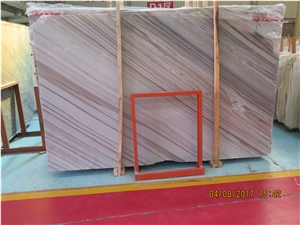
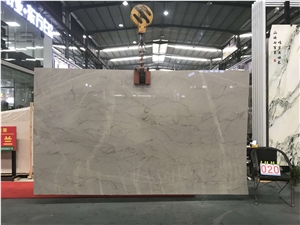
Classic Blue Marble features a deep charcoal-to-black background with a sophisticated, high-contrast pattern of diagonal, wood-grain-like veins. Silvery-white, grey, and subtle golden-brown lines flow across the surface, interspersed with thicker, prominent white streaks. Its fine, directional pattern and dark coloration create a dramatic, elegant appearance suitable for contemporary and luxury interiors.

Texture & Structure

The marble exhibits a fine-grained to crystalline texture with elongated, directional mineral bands. Its linear, brushed appearance results from closely spaced veins and contrasting mineral concentrations. Vein thickness and density vary naturally across slabs, creating distinctive patterns. A polished finish enhances color depth and contrast, while honed and leathered finishes provide a softer appearance.

Usage

Suitable for interior wall cladding, feature walls, flooring, bathroom vanities, decorative countertops, fireplace surrounds, reception desks, tabletops, furniture surfaces, and luxury commercial interiors. Its linear veining is particularly effective for bookmatching and continuous-pattern slab installations. For kitchen countertops and wet areas, suitability should be confirmed through testing and appropriate sealing.

Usage & Maintenance

Seal the surface with a suitable penetrating stone sealer, especially in kitchens and bathrooms. Clean with a pH-neutral stone cleaner and a soft cloth. Avoid acidic products, including vinegar and lemon-based cleaners, as well as abrasive cleaning materials. Wipe spills promptly to reduce staining and etching. Use cutting boards and heat-resistant mats on countertops. Periodically inspect the sealer and reseal as recommended by the manufacturer. Polished surfaces may require professional restoration to maintain their gloss.

FAQ

What should I consider before using Classic Blue Marble in a shower or around a swimming pool?

Using Classic Blue Marble in a shower or around a swimming pool requires careful consideration of several factors to ensure durability and maintain its aesthetic appeal. Here are some key aspects to consider: 1. **Slip Resistance**: Marble can become slippery when wet. Ensure that the marble is finished or treated to enhance slip resistance, especially if it will be used as flooring around a pool or in a shower. 2. **Porosity and Water Absorption**: Marble is a porous stone and can absorb water, which might lead to staining or damage over time. Regular sealing is necessary to protect the stone from moisture, soap scum, and other residues. 3. **Maintenance**: Marble requires regular maintenance, including cleaning with pH-neutral cleaners to avoid etching and discoloration. Be prepared for the upkeep to maintain the stones appearance and longevity. 4. **Chemical Exposure**: Pool chemicals and soaps can interact with marble and cause etching or staining. Verify compatibility between cleaning products and marble and ensure that any chemicals used in the vicinity will not harm the stone. 5. **Durability**: Although marble is a durable material, it can scratch and chip with heavy use. Consider potential wear and tear in high-traffic areas such as pool decks or public showers. 6. **Aesthetics and Style**: Classic Blue Marble offers a luxurious and elegant look. Ensure that the stone complements the overall design and color scheme of your bathroom or pool area. 7. **Installation**: Proper installation is crucial to ensure longevity and performance. Its advisable to hire experienced professionals who understand the properties of marble and can install it correctly, taking moisture barriers and appropriate substrates into account. 8. **Cost**: High-quality marble can be expensive, both in terms of initial investment and ongoing maintenance. Ensure it fits within your budget and compare it with other materials that might offer similar aesthetics or benefits. 9. **Environmental Factors**: Consider the local climate and environmental conditions, as drastic changes in temperature or humidity can affect marbles integrity. By taking these factors into account, you can make a more informed decision about using Classic Blue Marble in your shower or pool area, ensuring both beauty and functionality.

How does a honed finish Classic Blue Marble floor tiles differ from a polished finish in everyday use?

In everyday use, honed and polished finishes on Classic Blue Marble floor tiles present differences mainly in appearance, maintenance, and slip resistance. 1. **Appearance**: - **Honed Finish**: This finish is achieved by grinding the marble to create a smooth surface with a matte or satin appearance. It lacks the glossy shine of a polished finish, giving it a more understated and contemporary look. The color may appear lighter and more muted compared to a polished finish. - **Polished Finish**: A polished finish involves polishing the surface to a high shine, resulting in a glossy and reflective appearance. This enhances the depth and vibrancy of the marbles color and veining, giving it a luxurious and opulent look. 2. **Maintenance**: - **Honed Finish**: Because it has a matte surface, a honed finish is less effective at hiding scratches and etches. However, minor scratches are often less noticeable because theres no gloss to disrupt. It generally requires more frequent sealing to prevent staining, as the surface is more porous than polished marble. - **Polished Finish**: While a polished finish does resist staining better due to its less porous nature, it is more prone to visible scratches and etching because of its reflective surface. Maintenance involves not only sealing but also occasionally repolishing to maintain the shine. 3. **Slip Resistance**: - **Honed Finish**: This finish tends to be less slippery compared to a polished surface, making it a suitable choice for flooring, especially in wet areas like bathrooms or kitchens. - **Polished Finish**: The high-gloss surface can be quite slippery, especially when wet, which can be a concern for flooring in places prone to spills or moisture. Overall, the choice between honed and polished finishes depends on your priorities regarding aesthetics, maintenance, and safety. If you prefer a classic, shiny look and are ready to invest in maintenance to preserve the finish, polished marble may be the right choice. On the other hand, if you value a more subdued appearance and slip resistance, and are prepared for frequent sealing, a honed finish could be more suitable.

Which Classic Blue Marble characteristics matter most when selecting stair treads?

When selecting stair treads made from Classic Blue Marble, several key characteristics should be considered to ensure they meet both aesthetic and functional requirements: 1. **Durability and Hardness**: Marble is generally durable, but its hardness can vary. Select a grade that can withstand high foot traffic without showing excessive wear or damage. 2. **Finish**: The finish of the marble affects both its appearance and functionality. A polished finish offers a classic, shiny look, but it can be slippery. A honed or brushed finish might be safer for stair treads as it provides better traction. 3. **Color and Veining**: Classic Blue Marble is known for its distinctive coloration and veining. Ensure that the treads have consistent coloring and patterning that matches your design scheme, as significant variations can alter the intended look. 4. **Slip Resistance**: Safety is crucial on staircases. Consider treatments or finishes that enhance slip resistance, especially in areas prone to moisture. 5. **Thickness and Strength**: Adequate thickness is essential for structural integrity. Ensure the treads are thick and strong enough to support regular use without cracking or breaking. 6. **Ease of Maintenance**: Marble requires regular maintenance to prevent staining and etching. Select a type of marble and finish that are relatively easy to clean and maintain. 7. **Cost and Budget**: Natural marble can be expensive. Factor in the cost of the material along with installation and maintenance when considering your budget. 8. **Availability and Sourcing**: Ensure that the specific variant of Classic Blue Marble you desire is readily available and consider the lead time for delivery and installation. By carefully considering these characteristics, you can choose Classic Blue Marble stair treads that are both beautiful and practical for your space.

Why is the Classic Blue Marble thickness important for countertops, flooring, and wall cladding?

The thickness of Classic Blue Marble, like any marble used in countertops, flooring, and wall cladding, is important for several reasons: 1. **Durability and Strength**: Thicker slabs are generally stronger and more durable. They can withstand greater weight and resist cracking or breaking under pressure, making them suitable for high-traffic areas or surfaces that will bear heavy loads. 2. **Aesthetic Appeal**: The thickness can impact the overall look of the installation. Thicker slabs may provide a more luxurious and substantial appearance, adding to the aesthetic value of a space. 3. **Stability**: Thicker marble can offer more stability, reducing the likelihood of warping or bending. This is especially important for flooring and wall cladding, where stability is crucial to maintain a uniform and even surface. 4. **Installation Flexibility**: Different thicknesses provide flexibility in installation. For example, thin tiles might be more appropriate for wall cladding where weight is a concern, while thicker slabs might be preferred for flooring and countertops where durability is a priority. 5. **Cost Considerations**: Thickness can also affect cost. Thicker slabs typically require more raw material and may involve higher transportation and installation costs due to their weight. 6. **Structural Needs**: Certain applications may dictate the need for specific thicknesses. For structural integrity, the required thickness must meet the standards necessary for the particular use, such as supporting cabinetry for countertops or resisting impact for flooring. In choosing the appropriate thickness for Classic Blue Marble in any project, it is essential to balance these factors to meet both functional and aesthetic requirements.

Can I use vinegar, bleach, or household bathroom cleaners on Classic Blue Marble?

Using vinegar, bleach, or common household bathroom cleaners on Classic Blue Marble is not recommended. These substances can be acidic or too harsh, potentially damaging the marbles surface. Marble is a natural stone thats sensitive to acidic and abrasive cleaners, which can lead to etching or dulling of the finish. Its best to clean marble surfaces with a pH-neutral cleaner specifically designed for natural stone. You can also use a mild dish soap diluted with water. Always use a soft cloth or sponge to clean, and avoid scrubbing with abrasive pads or brushes. After cleaning, ensure the surface is thoroughly rinsed with clean water and dried to prevent water spots and maintain the marbles shine.

How should Classic Blue Marble be maintained in high-traffic commercial areas?

Maintaining Classic Blue Marble in high-traffic commercial areas requires a consistent and well-planned maintenance regimen to preserve its appearance and longevity. Here are some guidelines: 1. **Sealing**: Ensure the marble is properly sealed with a high-quality impregnating sealer prior to installation and reseal it periodically as recommended by the manufacturer. This helps protect against stains and moisture penetration. 2. **Cleaning**: Use a pH-neutral stone cleaner for regular cleaning to prevent etching and dulling of the marbles surface. Avoid acidic or abrasive cleaners that can damage the stone. 3. **Dust and Dirt Removal**: Frequently dust mop or sweep the area using a soft, untreated dust mop to remove abrasive particles that can scratch the surface. 4. **Spill Management**: Promptly clean up any spills, especially those from acidic substances like coffee, wine, or fruit juice, using a soft cloth to blot rather than wipe to prevent spreading the liquid. 5. **Rug and Mat Placement**: Place rugs or mats in entrance areas to reduce the amount of dirt and debris tracked onto the marble. Ensure the backing of these mats is non-abrasive. 6. **Regular Polishing**: Schedule regular professional polishing to restore the marble’s shine and remove minor scratches and etch marks. 7. **Preventive Measures**: Encourage foot traffic patterns that disperse wear evenly across the floor and use protective pads under furniture legs to prevent scratches. 8. **Education**: Train cleaning personnel and staff on proper marble care techniques to prevent accidental damage. 9. **Repairs**: Address chips and cracks promptly with professional repair services to avoid further deterioration. By following these practices, Classic Blue Marble can maintain its elegance and functional integrity even in busy commercial environments.

Products & Prices

View More

Hot Marble

New Marble

Post Your Request

The request includes:
  1. surface finished, size
  2. quantity required