Post Your Needs

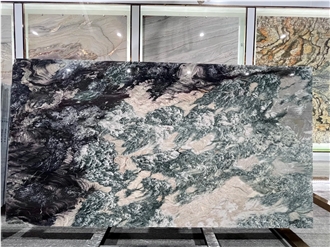
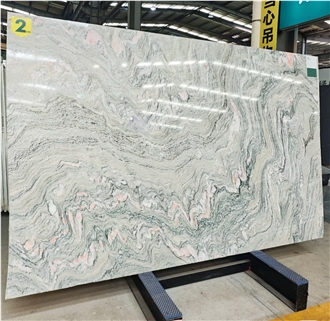
Cloud Wave Marble

Marble

China

About

Item Details

Material Type:
Marble
Origin:
China
Recommended Usage:
Kitchen and bathroom countertops, wash basins, building stone, ornamental stone, stairs, interior, exterior wall and floor applications, mosaic, waterjet pattern, wall panels, table tops, balustrades, columns, wall and pool copings, pool pavers, sculptures, fireplaces
Additional Names:
China Cippolino Marble, Bibo Ziwei Marble, Clear Waves Marble, in China stone market:碧波紫薇(Bì Bō Zǐ Wēi), Cloud Wave Marble
Finished Surface:
Polished,Bush Hammered,Tumbled,Brushed,Honed,Split,Machine Cut,Natural Surface,Sandblasted,Combed,Leathered,Water Jet,Filled,Chiseled,Pickling

Testing

Water Absorption:
<0.2%
Density:
2650 Kg/m³
Flexural Strength:
15–20 MPa
Compressive Strength:
100–120 MPa

Description

Cloud Wave Marble is an elegant natural stone featuring a cloudy grey background with wavy veins, accented by homogeneous ivory white, soft mocha brown, beige, and subtle bordeaux nuances. Its sophisticated yet versatile color palette makes it highly suitable for both urban and architectural applications, including flooring, wall cladding, countertops, and exterior facades.

Texture & Pattern:

  • Texture: Smooth, fine-grained, uniform
  • Pattern: Flowing wavy veins with soft cloud-like transitions; balanced distribution of colors for a harmonious visual effect
  • Visual Effect: Elegant, contemporary, and versatile; ideal for both residential and commercial spaces

Physical Properties:

  • Abrasion Resistance: Very high; suitable for heavy foot traffic areas
  • Modulus of Elasticity: Good; supports structural use in architectural applications
  • Durability: Excellent performance in outdoor environments, resistant to weathering

Mechanical Test Results (typical, % by weight or units where applicable):

  • Compressive Strength: ~100–120 MPa
  • Flexural Strength: ~15–20 MPa
  • Water Absorption: <0.2%
  • Density: ~2.65 g/cm³
  • Mohs hardness: 6–7

Chemical & Mineral Composition (% by weight, approximate):

  • CaCO₃ (Calcite): 90–95%
  • Quartz / Silica: 3–5%
  • Clay Minerals / Iron Oxides: 1–3%
  • Other trace minerals: <1%

Applications:

  • Flooring (indoor and outdoor)
  • Wall cladding
  • Kitchen and bathroom countertops
  • Staircases, thresholds, and decorative panels
  • Facades and exterior architectural elements

Maintenance:

  • Routine cleaning with pH-neutral stone cleaners
  • Periodic sealing recommended for high-traffic or wet areas
  • Avoid acidic substances to prevent etching

Cutting Sizes (cm):

  • Standard slabs: 240 × 120 × 2 cm / 3 cm
  • Tiles: 60 × 60 × 2 cm, 80 × 80 × 2 cm, 30 × 60 × 2 cm
  • Custom sizes available upon request

Surface Finish Options:

Polished: High gloss, reflective surface

Honed: Matte, smooth finish

Leathered / Brushed: Textured, soft tactile surface

FAQ

Does the surface of Cloud Wave Marble scratch easily?

Cloud Wave Marble, like other types of marble, is a natural stone that is relatively soft compared to other countertop materials like granite or quartz. This means it can be prone to scratching, especially if it comes into contact with sharp or abrasive objects. To protect the surface, its advisable to use cutting boards, avoid dragging heavy or rough items across it, and clean it with appropriate, non-abrasive cleaners. Regular sealing can also help protect the marble from scratches and stains.

Can Cloud Wave Marble be used for pool coping?

Yes, Cloud Wave Marble can be used for pool coping. Marble is a popular choice for pool coping because of its aesthetic appeal, durability, and heat-resistant properties. However, it is important to ensure that the marble is properly sealed to prevent water absorption and staining, especially in a pool environment where it will be constantly exposed to water and chemicals. Its also advisable to check the slip-resistance of the finish, as wet marble can be slippery. Always consult with a professional to ensure that the marble is suitable for your specific pool design and conditions.

Can Cloud Wave Marble be used as a kitchen countertop?

Cloud Wave Marble can technically be used as a kitchen countertop, but there are several factors to consider before making a decision: 1. **Porosity**: Marble is a porous stone, meaning it can absorb liquids, which can lead to staining. In a kitchen setting, this could be problematic given the potential for spills of substances like wine, oil, or acidic ingredients. 2. **Durability**: While marble is a durable stone, it is softer than other countertop materials like granite or quartz. This softness makes it more susceptible to scratching and etching, especially when exposed to acidic substances like lemon juice or vinegar. 3. **Maintenance**: Marble countertops require regular sealing to protect against stains and damage. They also need careful maintenance in terms of cleaning products used, as harsh chemicals can damage the surface. 4. **Aesthetic**: The unique veining and patterns of Cloud Wave Marble can add a luxurious and elegant look to a kitchen. 5. **Cost**: Marble can be more expensive than other materials, both in terms of initial cost and the potential for repairs or maintenance. If you decide to use Cloud Wave Marble in your kitchen, you should be prepared for the necessary upkeep and perhaps consider using it in lower-risk areas to minimize exposure to potential damage. An alternative approach can be to use it as an accent or in areas with less wear and tear, while opting for more durable materials for heavily used countertops.

How can I remove mold from Cloud Wave Marble wall tiles?

Removing mold from Cloud Wave Marble wall tiles requires a gentle approach to avoid damaging the marble surface. Heres a step-by-step guide: 1. **Gather Supplies**: - Soft cloths or sponges - pH-neutral cleaner (specifically for natural stone) - Warm water - Plastic or nylon brush (soft bristle) - Soft towels - Hydrogen peroxide (3%) - Protective gear (gloves, mask) 2. **Safety Precautions**: - Wear gloves and a mask to protect yourself from mold spores and cleaning agents. - Ensure proper ventilation in the area youre working. 3. **Initial Cleaning**: - Wipe the tiles with a soft, dry cloth to remove any loose mold or debris. 4. **Prepare a Cleaning Solution**: - Mix a pH-neutral cleaner with warm water following the product instructions. 5. **Apply the Cleaning Solution**: - Dampen a cloth or sponge with the cleaning solution and gently wipe the affected areas. - Avoid saturating the marble with water to prevent damage. 6. **Scrub Gently**: - If needed, use a soft bristle plastic or nylon brush to gently scrub the moldy areas. Never use a metal brush or abrasive scrubbers. 7. **Rinse Thoroughly**: - Wipe the area with a cloth dampened with clean, warm water to remove any soap residue. 8. **Hydrogen Peroxide Treatment**: - For persistent mold, you can apply hydrogen peroxide. - Dampen a cloth with hydrogen peroxide and gently apply it to the moldy areas. - Let it sit for about 10-15 minutes, but do not let it dry completely on the surface. 9. **Final Rinse**: - Rinse the area again with warm water and wipe it dry with a soft towel. 10. **Dry the Area**: - Ensure the tiles and grout are completely dry to prevent future mold growth. 11. **Prevention**: - Maintain good ventilation in the area to reduce moisture. - Regularly clean the tiles with a pH-neutral cleaner and dry the surface after cleaning. By following these steps, you can safely remove mold from Cloud Wave Marble wall tiles while preserving the integrity and appearance of the stone.

Does Cloud Wave Marble mosaic need to be sealed?

Yes, Cloud Wave Marble mosaic, like most natural stone tiles, should be sealed to protect it from moisture, staining, and damage. Sealing helps maintain the stones appearance and longevity by preventing liquids and dirt from penetrating the surface. It is generally recommended to seal the marble upon installation and then reseal periodically, depending on the level of use and the specific sealants instructions. Always use a high-quality sealant suitable for marble and follow the manufacturers application guidelines for the best results.

How can I clean Cloud Wave Marble kitchen backsplash mosaic tiles?

Cleaning Cloud Wave Marble kitchen backsplash mosaic tiles requires special care to maintain their natural beauty and prevent damage. Here’s a step-by-step guide on how to clean them effectively: 1. **Dust and Debris Removal**: Begin by removing any loose dust or debris from the tiles. You can use a soft-bristle brush or a microfiber cloth to gently sweep the surface. 2. **Gentle Cleaning Solution**: Prepare a gentle cleaning solution by mixing warm water with a few drops of a pH-neutral, non-acidic stone cleaner or a mild dish soap. Avoid acidic or harsh cleaners, as they can damage the marble. 3. **Spot Test**: Before applying the solution to the entire backsplash, do a spot test in an inconspicuous area to ensure that it does not affect the marble. 4. **Wiping the Surface**: Dampen a soft cloth or sponge with the cleaning solution. Apply it to the tiles, gently wiping the surface. Never use abrasive scrubbers or brushes that could scratch or dull the marble’s finish. 5. **Rinsing**: After cleaning, rinse the tiles thoroughly with clean water to remove any soap residue. Use a separate clean cloth soaked in water and wipe down the area. 6. **Drying**: Immediately dry the tiles with a soft, clean towel to prevent water spots. Marble is porous and can absorb liquids, which may lead to staining if not dried properly. 7. **Stain Treatment**: For any stubborn stains, consider using a marble poultice. These are specially formulated to pull stains out of natural stone. Follow the product’s instructions carefully. 8. **Sealing**: If your marble tiles are not already sealed, consider applying a sealant to protect them from staining and etching. Follow the manufacturer’s instructions for the best results and repeat this periodically as recommended. 9. **Regular Maintenance**: Wipe up splatters and spills immediately to prevent staining. Regularly clean the backsplash using a damp cloth and a pH-neutral cleaner. By following these steps, you can maintain the elegant appearance of your Cloud Wave Marble kitchen backsplash mosaic tiles while ensuring their longevity.

How can I clean the grout of Cloud Wave Marble wall tiles?

Cleaning the grout of Cloud Wave Marble wall tiles requires a gentle approach to avoid damaging both the marble and the grout. Here’s a step-by-step guide: ### Materials You’ll Need: 1. **Soft-bristled brush** or an old toothbrush 2. **Microfiber cloths** 3. **pH-neutral cleaner** specifically formulated for marble 4. **Baking soda** (optional) 5. **Hydrogen peroxide** (optional, for tough stains) 6. **Warm water** 7. **Spray bottle** 8. **Gloves** (optional) ### Steps: 1. **Prepare the Cleaning Solution:** - Mix a few drops of pH-neutral cleaner with warm water in a spray bottle. Avoid acidic or abrasive cleaners, which can damage the marble. 2. **Initial Cleaning:** - Spray the grout lines with the cleaning solution and let it sit for about 5–10 minutes. This will help loosen dirt and grime. 3. **Scrub the Grout:** - Using a soft-bristled brush or an old toothbrush, gently scrub the grout lines. Be careful not to scratch the marble. 4. **Rinse:** - Wipe the area with a clean, damp microfiber cloth to remove any soap residue from the grout and tiles. 5. **Stubborn Stains:** - For tough stains, make a paste using baking soda and a small amount of hydrogen peroxide. Apply the paste to the stained grout, let it sit for about 15 minutes, then gently scrub with the brush. - Rinse well with a damp microfiber cloth to ensure no residue is left behind. 6. **Dry the Surface:** - Thoroughly dry the tiles and grout with a clean, dry microfiber cloth to prevent water spots and avoid moisture absorption. 7. **Regular Maintenance:** - Regularly clean grout using the pH-neutral cleaner to prevent buildup. - Sealing grout every few years may also help protect it and make it easier to clean. ### Tips: - **Test First:** Always test any cleaner or mixture in a small, inconspicuous area before applying it to a larger, visible area. - **Avoid Vinegar and Bleach:** These can be too harsh on marble and may cause damage or discoloration. - **Use Gloves:** Consider wearing gloves to protect your hands, especially if using hydrogen peroxide. By following these steps, you can effectively clean the grout of your Cloud Wave Marble wall tiles while keeping the marble intact and beautiful.

I have a Cloud Wave Marble tabletop with a vein that looks broken. Should I glue it?

If you have a Cloud Wave Marble tabletop with a vein that looks broken, its important to first assess the situation before deciding whether to use glue. Here are some steps you might consider: 1. **Inspect the Damage**: Determine if the vein is actually cracked or if its just a natural feature of the marble. Marble often has natural veining, which can sometimes create the illusion of damage. 2. **Assess the Severity**: If it is indeed cracked, assess how severe the damage is. If the tabletop is structurally compromised or if pieces are loose, it may require more than just adhesive. 3. **Consider Professional Help**: Marble repair can be challenging, and using the wrong type of adhesive can cause further damage. Hiring a professional who specializes in marble repair can ensure that the repair is done correctly and that the beauty and durability of the marble are maintained. 4. **Choose the Right Adhesive**: If the crack is superficial and you feel confident in doing the repair yourself, choose an appropriate adhesive. Epoxy resin is often recommended for stone repairs because it bonds well with marble and can be tinted to match the stone. Make sure to follow the product instructions carefully. 5. **Performing the Repair**: If you decide to proceed with the repair yourself, clean the area thoroughly before applying any adhesive. Clamp or support the area if necessary to ensure a good bond. 6. **Finishing Touches**: Once the adhesive has set, you may need to polish the area to blend the repair with the rest of the tabletop. 7. **Preventive Measures**: To prevent future damage, consider applying a marble sealant and avoid placing heavy objects on the tabletop. If you’re unsure at any step, it’s best to consult with a professional to avoid risking further damage to your marble tabletop.

Products & Prices

View More

Hot Marble

New Marble

Post Your Request

The request includes:
  1. surface finished, size
  2. quantity required