Post Your Needs

Cloudy Blue Marble

Marble

Turkey

About

Item Details

Material Type:
Marble
Origin:
Turkey
Recommended Usage:
kitchen and bathroom countertop, wash basins, building stone, ornamental stone, stairs, interior, exterior wall and floor applications, mosaic, water-jet pattern, wall panels, table tops, balustrades, columns, wall and pool copings, pool pavers, sculptures, fireplaces, window sills
Additional Names:
Misty Blue Marble, Blue Mist Marble, in China stone market:迷雾蓝(Míwù Lán)
Finished Surface:
Polished,Bush Hammered,Tumbled,Brushed,Honed,Split,Machine Cut,Natural Surface,Sandblasted,Combed,Leathered,Water Jet,Chiseled,Pickling

Testing

Water Absorption:
0.30 - 0.40% by weight
Density:
2670 - 2720 kg/m³
Flexural Strength:
10 - 12 MPa
Compressive Strength:
90 - 100 MPa

Description

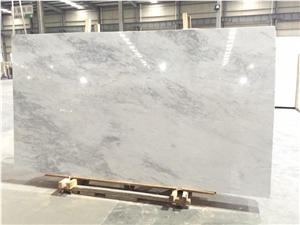
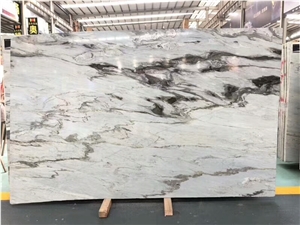
Cloudy Blue Marble features a muted grey-green, sage-like base with subtle cool bluish-grey undertones, accented by delicate darker grey-green linear marks, faint diagonal fissures, and wispy vein networks that create a natural, layered flow, quarried in Türkiye.

Color & Appearance:

Cloudy Blue Marble features a muted grey-green, sage-like base with subtle cool bluish-grey undertones, creating a misty, calm, and sophisticated neutral appearance.

Texture & Structure:

Fine- to medium-grained crystalline texture with a dense, compact structure. The surface has a smooth, refined crystalline character with subtle mineral variations that contribute to its soft, cloudy appearance.

Pattern & Veining:

The marble is characterized by delicate darker grey-green linear marks, faint diagonal fissures, and wispy vein networks. These subtle features create a natural, layered flow rather than bold, high-contrast patterns.

Technical Characteristics (Indicative):

  • Water Absorption: 0.30–0.40% by weight
  • Density: 2670–2720 kg/m³
  • Flexural Strength: 10–12 MPa
  • Compressive Strength: 90–100 MPa
  • Open Porosity: 0.20–0.90%
  • Hardness: 3–4 Mohs

Mineral Composition (Indicative, % by weight):

  • Calcite: 88–96%
  • Dolomite: 1–5%
  • Quartz: 1–3%
  • Mica/Chlorite: 0–2%
  • Clay Minerals: 0–2%
  • Iron-Bearing and Accessory Minerals: 0–2%

Chemical Composition (Indicative, % by weight):

  • CaCO₃: 86–94%
  • MgCO₃: 1–4%
  • SiO₂: 0.5–3%
  • Al₂O₃: 0.1–1.5%
  • Fe₂O₃: 0.1–1.5%
  • Other Oxides: 0–2%

Usage:

Suitable for interior flooring, wall cladding, feature walls, bathroom walls, vanity tops, countertops, backsplashes, fireplace surrounds, stairs, reception areas, tabletops, furniture, decorative panels, and other interior architectural applications.

Finishes:

Polished, honed, leathered, brushed, sanded, and custom finishes.

Maintenance:

Clean with a pH-neutral natural-stone cleaner and a soft cloth or mop. Avoid vinegar, lemon, acidic cleaners, bleach, and abrasive products. Seal according to the stone's porosity and intended application, particularly for countertops, vanities, and bathroom surfaces. Wipe spills promptly to minimize staining and etching.

FAQ

What type of abrasive should be used to polish the Cloudy Blue Marble surface?

Polishing a Cloudy Blue Marble surface requires careful selection of abrasives to avoid damage and achieve a high-quality finish. Marble is a relatively soft and porous stone, so using the right type of abrasive is crucial. Here are some guidelines: 1. **Diamond Abrasives**: Start with a set of diamond polishing pads, which are available in varying grits. Begin with a coarser grit to remove any surface imperfections and gradually progress to finer grits for polishing. Typically, you would start around 50-grit and work your way up to 3000-grit or even higher for a glossy finish. 2. **Polishing Compounds**: After using diamond pads, you can apply a marble polishing compound. These compounds are often specially designed for marble and can enhance the glossy appearance. 3. **Non-Abrasive Pads**: Once the marble is polished, use non-abrasive white pads for the final touch-up and to maintain the polish. Its important to avoid sandpaper or harsh abrasives, as they can scratch and damage the marble surface. Additionally, always ensure that the surface is clean and free of debris prior to polishing, and consider using a polishing machine with variable speeds for better control. Always follow the manufacturers instructions for any products you use.
Does Cloudy Blue Marble countertop require sealing?

Yes, Cloudy Blue Marble countertops typically require sealing. Marble is a porous natural stone, which means it can absorb liquids and be prone to staining and etching from acidic substances. Sealing helps protect the surface by creating a barrier that reduces its porosity. It’s generally recommended to seal marble countertops at least once a year, but this can vary based on the specific type of marble and the amount of use the countertop receives. Always follow the manufacturer’s or supplier’s guidelines for sealing and maintenance to ensure the longevity and appearance of your marble countertop.

Does Cloudy Blue Marble have strong veining?

Cloudy Blue Marble typically features softer and more subtle veining compared to other marble types with dramatic veining patterns. Its appearance often includes a mix of blues, grays, and whites with gentle, cloud-like patterns and less pronounced veining. However, the exact veining and patterns can vary from slab to slab, as is common with natural stones. If a strong veining is what you desire, it’s a good idea to examine the specific slabs before making a selection, as natural stone can vary significantly.

Does the surface of Cloudy Blue Marble scratch easily?

Cloudy Blue Marble isnt a well-defined term for a specific material. It could refer to a type of decorative marble or a descriptor for certain artwork or other items with a cloudy blue appearance. However, if you are referring to a material similar to typical marble, then its important to note that marble is a relatively soft stone compared to other natural stones like granite. It can scratch relatively easily, especially with sharp or abrasive objects. If Cloudy Blue Marble is something specific and different in nature, you might want to refer to specific manufacturer details or product descriptions for information about its durability and scratch-resistance.

Can Cloudy Blue Marble be used as a kitchen countertop?

Cloudy Blue Marble can indeed be used as a kitchen countertop, provided it meets the functional and aesthetic requirements of your kitchen space. Marble is a popular choice for countertops due to its natural beauty and unique veining. However, there are several factors to consider when using Cloudy Blue Marble or any marble as a kitchen countertop: 1. **Porosity:** Marble is a porous stone, which means it can absorb liquids. This could lead to staining, especially in a kitchen environment where spills are common. Its essential to seal the marble properly and maintain the sealant regularly to prevent damage. 2. **Durability:** While marble is reasonably durable, its softer than granite or quartz, which makes it more susceptible to scratching and etching, particularly from acidic substances like lemon juice or vinegar. 3. **Aesthetics:** Cloudy Blue Marble offers a unique appearance with its distinctive veining and color variations. If the design fits your kitchen style, it can make a striking impact. 4. **Maintenance:** Marble countertops require regular cleaning and maintenance to keep them in good condition. Using a pH-neutral cleaner and wiping up spills promptly helps maintain the surface. 5. **Cost:** Marble can be more expensive than other materials. Consider your budget when selecting this as a countertop option. Overall, if you are willing to commit to the maintenance and care required, Cloudy Blue Marble can be a beautiful and luxurious addition to your kitchen.

Is Cloudy Blue Marble a suitable choice for facades in cold winter climates?

Cloudy Blue Marble can be a suitable choice for facades in cold winter climates, but a few factors need to be considered. Marble is generally a durable and weather-resistant natural stone, but its performance can vary depending on specific conditions and treatments. Here are some points to consider: 1. **Porosity**: Marble is somewhat porous, which can cause it to absorb moisture. In cold climates, this moisture can freeze and expand, leading to potential cracking or spalling. To mitigate this risk, its important to seal the marble properly with a high-quality stone sealer that can help reduce water absorption. 2. **Durability**: While marble is durable, it may not be as hard or scratch-resistant as granite or other stones. In areas with heavy freeze-thaw cycles, the longevity of marble should be considered. 3. **Finishing**: The finish of the marble can impact its suitability. A honed or textured finish might be less slippery and more resistant to showing signs of wear than a polished finish. 4. **Maintenance**: Marble facades will require regular maintenance to ensure they remain in good condition, especially in harsh climates. This includes resealing, cleaning, and inspecting for damage. 5. **Aesthetics**: Cloudy Blue Marble offers a unique aesthetic with its distinct patterns and colors, which can enhance the visual appeal of a building facade. 6. **Thermal Performance**: Marble can absorb and retain cold, which might affect thermal performance. Consideration should be given to the overall insulation and thermal conduction of the building envelope. Before proceeding with Cloudy Blue Marble for a facade in a cold climate, it is advisable to consult with architects or stone experts for specific recommendations based on the location and climate conditions. Additionally, consider any local building codes and standards that may apply.

Products & Prices

View More

Hot Marble

New Marble

Post Your Request

The request includes:
  1. surface finished, size
  2. quantity required