Post Your Needs

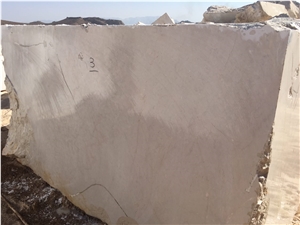
Cream Vanian Marble

Marble

Iran

About

Item Details

Material Type:
Marble
Origin:
Iran
Recommended Usage:
Kitchen and bathroom countertops, wash basins, building stone, ornamental stone, stairs, interior, exterior wall and floor applications, mosaic, waterjet pattern, wall panels, table tops, balustrades, columns, wall and pool copings, pool pavers, fireplaces
Additional Names:
Vanian Beige Marble, in China stone market:万宁米黄(Wàn níng mǐ huáng)
Finished Surface:
Polished,Bush Hammered,Tumbled,Brushed,Honed,Split,Machine Cut,Natural Surface,Sandblasted,Combed,Leathered,Water Jet,Filled,Chiseled,Pickling

Testing

Water Absorption:
0.20 – 0.50%
Density:
2600 – 2700 Kg/m³
Flexural Strength:
8 – 12 MPa
Compressive Strength:
90 – 130 MPa

Description

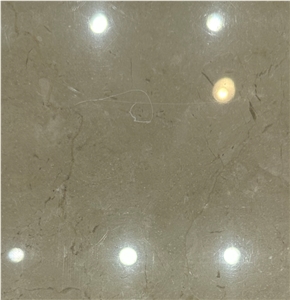
Cream Vanian Marble is a premium natural stone quarried in Iran, characterized by its warm, consistent beige to cream background. As seen in the image, it offers a serene and elegant aesthetic with a very fine grain and minimal, delicate veining. The color is uniform and soothing, with subtle tonal variations that add depth without strong contrast. The polished finish, evident from the sharp specular highlights in the image, gives the stone a soft, luminous glow, making it ideal for creating bright, spacious, and inviting interiors.

Visual & Physical Characteristics

  • Base Color:​ Warm beige, creamy beige, light oatmeal.
  • Pattern:​ Very subtle and homogeneous. The image shows an extremely uniform surface with faint, delicate wisps or clouds of slightly darker or lighter beige tones, rather than pronounced veins. The pattern is minimalistic.
  • Texture:​ Very fine-grained and dense crystalline structure. Takes an excellent, high-gloss polish, as reflected by the bright, starburst highlights visible in the photograph.
  • Light Interaction:​ High reflectivity when polished. The light base color and glossy finish work together to maximize light reflection, brightening interior spaces effectively.
  • Overall Mood:​ Warm, serene, elegant, clean, minimalist, and inviting. It provides a neutral, sophisticated backdrop.

Available Surface Finishes

  • Polished :​ High-gloss finish that enhances the stone's luminosity and provides a sleek, reflective surface.
  • Honed:​ Smooth, velvety matte finish for a contemporary, understated look that softens reflections.
  • Brushed/Leathered:​ Textured finishes that provide a tactile feel and a rustic or sophisticated matte appearance.
  • Tumbled:​ Antiqued finish with softened edges for a weathered, traditional look.
  • Sanded:​ Uniform matte texture.
  • Sawn Cut:​ Raw, unrefined texture from the block saw.

Technical Specifications

  • Water Absorption  ​EN 13755: 0.20 – 0.50%
  • Density​  EN 1936: 2.60 – 2.70 g/cm³
  • Compressive Strength  ​EN 1926: 90 – 130 MPa
  • Flexural Strength  EN 12372: 8 – 12 MPa
  • Abrasion Resistance  ​EN 14157: Moderate
  • Hardness (Mohs Scale)​  Mineral Test: 3 – 4
  • Frost Resistance​  EN 12371: Poor.​ For interior use only.​

Chemical Composition​

  • CaCO₃ (Calcite)​: 96 – 99%
  • MgCO₃ (Dolomite)​: < 2%
  • SiO₂ (Quartz/Clay)​: 1 – 2%
  • Fe₂O₃ (Iron Oxides)​: < 0.5% (source of warm beige tone)
  • Other Minerals​: Trace

Mineral Composition:​

Predominantly calcite​ with minor accessory minerals such as quartz and clay. Iron oxides impart the warm beige hue.

Primary Applications (Interior Use)

  • Interior Wall Cladding:​ Feature walls, bathroom walls, fireplace surrounds, and large-format wall panels.
  • Flooring:​ Residential and commercial flooring in living areas, bedrooms, and low to medium-traffic commercial spaces.
  • Bathroom Vanities & Wet Areas:​ Creates a warm, spa-like atmosphere (requires rigorous sealing).
  • Kitchen Backsplashes:​ Provides a clean, bright, and warm backdrop.
  • Staircases & Architectural Features:​ Treads, risers, and custom moldings.

Maintenance Guidelines (Critical for Calcite Marble)

  • Sealing (ESSENTIAL):​ Apply a high-quality, penetrating marble sealer before installation. Re-seal every 6-12 months in wet areas (kitchens, bathrooms) and every 1-2 years in dry areas.
  • Cleaning:​ Use only pH-neutral stone cleaners.​ Avoid all acidic substances (vinegar, citrus, wine, coffee, many bathroom cleaners) and abrasive pads to prevent etching and scratching.
  • Protection:​ Always use​ coasters, trivets, and cutting boards. Wipe spills immediately.
  • Professional Care:​ For etching or staining, consult a professional stone restorer.

Summary:​ Cream Vanian Marble is a classic, warm beige marble prized for its homogeneous color, fine grain, and excellent light-reflective properties. Its strength lies in its ability to provide a consistent, elegant, and bright background for a wide range of interior designs. As a calcite-based marble, it requires committed sealing and careful maintenance to preserve its beauty. It is an ideal choice for projects seeking the timeless appeal of marble in a warm, neutral palette.

FAQ

Will a hot pot leave a mark on a Cream Vanian Marble kitchen countertop?

Placing a hot pot directly on a Cream Vanian Marble countertop may potentially leave a mark or cause damage. Marble is a natural stone that is more susceptible to heat, scratching, and staining compared to harder materials like granite or quartz. The high temperature can cause thermal shock, leading to discoloration, dulling, or even cracking. To prevent any damage, its advisable to use trivets or heat pads under hot pots to protect the marble surface.

If lemonade spills on a Cream Vanian Marble kitchen countertop, will it damage the surface?

Lemonade spilling on a Cream Vanian Marble countertop can potentially cause damage due to its acidic content. Marble is a natural stone and is sensitive to acidic substances. The acid can react with the calcium carbonate in marble, leading to etching, which appears as dull spots or marks on the surface. Its important to clean up spills quickly to minimize damage. Use a soft cloth or paper towel to blot up the lemonade, and then wipe the area with a damp cloth. You might also want to use a pH-neutral cleaner specifically designed for marble surfaces to ensure no residue is left behind. Regularly sealing your marble countertop can also help protect it from stains and etching.

Can I use bleach when cleaning a Cream Vanian Marble kitchen countertop?

It is not recommended to use bleach on Cream Vanian Marble or any marble surfaces. Marble is a natural stone that is sensitive to acidic and harsh cleaning agents, including bleach. Using bleach can cause etching, dullness, and potential discoloration of the stone. Instead, use a pH-neutral cleaner specifically designed for natural stone, or a mild dish soap mixed with warm water. Be sure to wipe the surface with a soft cloth or sponge and rinse thoroughly with clean water to remove any residue. Its also a good idea to dry the surface with a soft towel to prevent water spots. For regular maintenance, always use coasters and placemats, and promptly clean up spills to avoid staining the marble.

Can Cream Vanian Marble be used for kitchen countertop?

Cream Vanian Marble can be used for kitchen countertops, but there are several factors you should consider before making a decision: 1. **Aesthetics**: Cream Vanian Marble has a beautiful and elegant appearance, often featuring cream and beige tones with unique veining. It can add a luxurious feel to your kitchen. 2. **Durability**: Marble is generally softer and more porous than other stone options like granite or quartz. This makes it more susceptible to scratches, chips, and etching from acidic substances (such as lemon juice or vinegar). 3. **Maintenance**: Marble countertops require regular sealing to protect against staining and etching. Spills should be wiped up promptly to avoid damage, and you may need to use special cleaners designed for marble surfaces. 4. **Cost**: Marble can be more expensive than some other countertop materials, both in terms of initial cost and maintenance over time. 5. **Lifestyle Considerations**: If your kitchen sees a lot of heavy use or if you allow kids to use the kitchen freely, you might want to consider more durable materials unless youre prepared for potential wear and tear. If you decide that the elegance of Cream Vanian Marble is worth the extra care and maintenance, it can certainly be a stunning addition to your kitchen. Just make sure you weigh the pros and cons based on your specific needs and how you use your kitchen.

How can I repair the scratched surface of the Cream Vanian Marble steps?

Repairing the scratched surface of Cream Vanian Marble steps requires a careful approach to restore their natural beauty. Heres a step-by-step guide to help you through the process: 1. **Clean the Surface:** - Start by thoroughly cleaning the steps with a mild, pH-neutral marble cleaner to remove any dirt or debris. Avoid using acidic or abrasive cleaners as these can damage the marble further. - Use a soft cloth or sponge to apply the cleaner, and then rinse with clean water, making sure no residue remains. 2. **Assess the Damage:** - Carefully inspect the scratches to determine their severity. Light scratches may be dealt with more easily than deep ones, which may require professional attention. 3. **Polish Light Scratches:** - Use a marble polishing powder specifically designed for light scratches. Make sure it’s appropriate for the Cream Vanian variety. - Sprinkle the powder on the scratched area and use a damp cloth to buff it in circular motions. Follow the manufacturer’s instructions for the best results. - Rinse and dry the area after polishing. 4. **Sand Deeper Scratches:** - For deeper scratches, you may need to use very fine grit sandpaper (usually starting at 400-grit and going up to 1000-grit or higher). - Wet the sandpaper and the scratched area, and gently sand the scratch using circular motions. Be cautious to not over-sand as this can damage the marble further. - Gradually move to higher grit sandpapers to smoothen the surface. 5. **Buff and Polish:** - After sanding, use a marbles-safe polishing compound to buff the area. Apply the compound and use a buffer or a drill with a buffing attachment, if available, to restore the shine. - Move the buffer in slow, overlapping circles for uniform polish. 6. **Seal the Marble:** - After polishing, it’s a good idea to seal the marble to protect it from future damage. Choose a high-quality marble sealant and apply it following the manufacturer’s instructions. - Sealing should be done every one to two years depending on the marbles exposure to foot traffic and moisture. 7. **Regular Maintenance:** - To help prevent future scratches, clean the steps regularly using a marble-friendly cleaner and avoid dragging heavy or sharp objects across the surface. If the scratches are very deep or if you are unsure about doing it yourself, consider consulting a professional marble restoration service. They have the tools and expertise to handle extensive damage effectively.

Is Cream Vanian Marble with a polished surface good for house flooring?

Cream Vanian Marble with a polished surface can be a beautiful choice for house flooring, giving a luxurious and elegant look to the space. Here are some factors to consider: 1. **Aesthetic Appeal**: The cream color typically provides a warm and inviting atmosphere, while the polished finish enhances the marble’s natural veining and shine, adding sophistication to any room. 2. **Durability**: Marble is a durable material, but it is softer than granite and can be prone to scratching and etching, especially in high-traffic areas. Proper care and maintenance are required to preserve its appearance. 3. **Maintenance**: Polished marble can be more susceptible to staining from spills, especially acidic substances like wine or citrus juices. Regular sealing can help protect the surface and maintain its appearance. 4. **Slip Resistance**: Polished marble can be slippery, particularly when wet. This might be a concern if used in areas like bathrooms or kitchens, where water spills are more frequent. 5. **Cost**: Marble can be relatively expensive compared to other flooring materials, both in terms of the initial cost and installation as well as ongoing maintenance. 6. **Environmental Factors**: Consider the climate and how it might affect the marble. In damp or humid areas, marble can be affected by moisture. If you appreciate the aesthetic and are prepared for the maintenance, Cream Vanian Marble with a polished surface can be a great flooring option for your home.

Products & Prices

Hot Marble

New Marble

Post Your Request

The request includes:
  1. surface finished, size
  2. quantity required