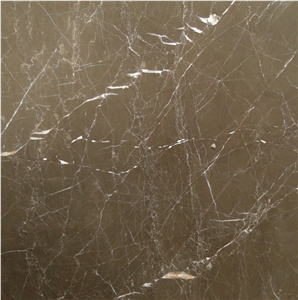
Crema Mori Marble

About
Item Details
- Material Type:
- Marble
- Origin:
Indonesia - Primary Color(s):
- Brown
- Recommended Usage:
- Kitchen and bathroom countertops, wash basins, building stone, ornamental stone, stairs, interior, exterior wall and floor applications, mosaic, waterjet pattern, wall panels, table tops, balustrades, columns, wall and pool copings, pool pavers, fireplaces, window sills
- Additional Names:
- Crema Mori Beige Marble, Crema Mori, Crema Mori Marble
- Finished Surface:
- Polished,Bush Hammered,Tumbled,Brushed,Honed,Split,Machine Cut,Natural Surface,Sandblasted,Combed,Leathered,Water Jet,Filled,Chiseled,Pickling
Testing
- Water Absorption:
- 0.18 - 0.34%
- Density:
- 2700 - 2740 Kg/m³
- Flexural Strength:
- 9-13 MPa
- Compressive Strength:
- 80-120 MPa
- Stone texture:
- Smooth, fine to medium veining with a consistent creamy base natural marble known for its warm beige to creamy background with subtle light brown to soft taupe veining
Description
Crema Mori Marble is a natural stone known for its aesthetic appeal due to its warm, creamy beige background and subtle veining in light brown to soft taupe tones. This marble is quarried in Indonesia and is appreciated for its smooth texture and fine to medium veining, making it an ideal choice for various interior design applications.
Physical and Mechanical Properties
- Water Absorption: Low water absorption rate, typically around 0.18-0.34%, making it relatively resistant to water damage.
- Density: Approximately 2.70 - 2.74 g/cm³, contributing to its durability and strength.
- Flexural Strength: Generally ranges between 9-13 MPa, indicating its ability to withstand bending stress.
- Compressive Strength: Typically ranges from 80-120 MPa, showing its capacity to bear substantial loads without cracking.
- Hardness: Falls between 3 and 4 on the Mohs scale, implying moderate scratch resistance.
- Porosity: Low, contributing to its relatively high resistance to staining and moisture penetration.
- Slip Resistance: Moderate, depending on the finish; polished surfaces may be more slippery than honed or textured finishes.
Chemical and Mineral Composition
- Calcite (CaCO₃): Dominant mineral, constitutes around 90-95% of the composition.
- Dolomite (CaMg(CO₃)₂): Present in small amounts, up to 5-7%.
- Quartz (SiO₂): Trace quantities.
- Other Trace Elements: Iron oxides (contributing to veining colors), possibly contributing less than 1%.
Usage
- Flooring: Suitable for both residential and commercial flooring applications.
- Wall Cladding: Often used in bathrooms, kitchens, and living areas for its aesthetic appeal.
- Countertops: Preferred for kitchens and bathrooms, offering a luxurious feel.
- Mosaics and Decorative Elements: Used to create intricate designs and patterns.
- Fireplaces: Popular for adding elegance to fireplace surrounds.
Maintenance
- Cleaning: Use a neutral pH cleaner; avoid acidic or abrasive cleaners that may damage the surface.
- Sealing: Regular sealing recommended to prevent staining, typically once a year or as per manufacturer's advice.
- Polishing: Professional polishing may be needed occasionally to maintain shine.
Available Common Surface Finish Options
- Polished: High-gloss finish that enhances color and veining, suitable for areas where elegance is desired.
- Honed: Smooth, matte finish offering a more subdued appearance, often used in high-traffic areas.
- Brushed: Offers a textured finish that increases slip resistance and provides a rustic look.
- Antiqued: Simulates an aged look, perfect for historical or vintage-inspired design themes.
Crema Mori Marble, with its natural elegance and distinct qualities, offers versatile applications, making it a favored choice for enhancing interior designs with a touch of warmth and sophistication. Regular maintenance ensures its long-lasting aesthetic appeal and performance.
FAQ
The average hardness of Indonesias Crema Mori Marble is around 3 on the Mohs scale.
Can Indonesia's Crema Mori Marble be used exterior applications in very humid climates?
Yes, Indonesias Crema Mori Marble can be used for exterior applications in very humid climates. Marble is a durable and naturally resistant material that can withstand various weather conditions, including high humidity. However, it is essential to properly seal and maintain the marble to protect it from moisture and potential damage. Regular cleaning and sealing can help prolong the longevity and appearance of the marble in such climates.
Can Indonesia's Crema Mori Marble be used in a kitchen?
Yes, Indonesias Crema Mori Marble can be used in a kitchen. Marble is a popular choice for kitchen countertops due to its natural beauty, durability, and heat resistance. However, it is important to note that marble is a softer stone compared to granite or quartz, and it is more prone to scratches and stains. Regular sealing and proper maintenance are required to keep the marble in good condition. Additionally, care should be taken to avoid placing hot pans directly on the marble surface to prevent potential damage.
Can Indonesia's Crema Mori Marble be used in landscaping?
Yes, Indonesias Crema Mori Marble can be used in landscaping. Crema Mori Marble is a type of beige marble that is known for its beautiful and elegant appearance. It can be used for various landscaping purposes, such as paving walkways, patios, and driveways, creating garden features like benches and tables, constructing retaining walls, and even for decorative purposes like cladding exterior walls or constructing water fountains. Its natural color and unique veining patterns make it a popular choice for adding a touch of luxury and sophistication to outdoor spaces.
What is the coefficient of friction of Filled Indonesia's Crema Mori Marble tiles?
The coefficient of friction of Filled Indonesias Crema Mori Marble tiles is not provided. To determine the coefficient of friction of a specific material, it is necessary to conduct laboratory testing or refer to the manufacturers specifications.
Are there color variations of Indonesia's Crema Mori Marble?
Yes, there can be color variations in Indonesias Crema Mori marble. Crema Mori marble typically has a creamy beige base color with light brown or gray veins running throughout the stone. However, due to the natural variations in the stones composition and mineral content, there can be variations in the intensity and patterns of the veins, as well as slight variations in the base color. These variations give each slab of Crema Mori marble a unique and distinct appearance.
What grade is Indonesia's Crema Mori Marble?
There is no specific grade for Crema Mori Marble in Indonesia. The grade of a marble typically refers to its quality, with higher grades indicating better quality and vice versa. The quality of Crema Mori Marble in Indonesia can vary depending on factors such as extraction and processing methods. It is advisable to assess the specific characteristics and quality of a particular slab or batch of Crema Mori Marble in order to determine its grade.
Can Indonesia's Crema Mori Marble be used outdoors?
Yes, Indonesias Crema Mori Marble can be used outdoors. Marble is a natural stone that is known for its durability and resistance to weathering. However, it is important to note that marble is still a porous material, so it may require additional sealing and maintenance to protect it from staining or fading over time. It is also recommended to consult with a professional before installing marble outdoors to ensure proper installation and preservation.
How thick is Indonesia's Crema Mori Marble slabs?
I do not have access to the current inventory or information on specific slabs of Crema Mori Marble in Indonesia. However, generally, marble slabs can range in thickness depending on the specific cut and application. Standard thicknesses typically range from 2-3 cm (0.79-1.18 inches), with some variations. It is best to consult with a local supplier or manufacturer for more specific information.
Is Indonesia's Crema Mori Marble an expensive stone?
I dont have access to current market prices of Indonesias Crema Mori Marble. However, marble is generally considered a high-end and luxury material, so its possible that Crema Mori Marble is expensive compared to other types of natural stones. The price may vary depending on factors such as quality, availability, and demand.