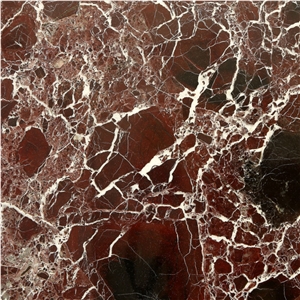
Crestarosa Plavis Marble

About
Item Details
- Material Type:
- Marble
- Origin:
Italy (Sappada, Provincia di Belluno, Veneto) - Primary Color(s):
- Red
- Recommended Usage:
- kitchen and bathroom countertop, wash basins, building stone, ornamental stone, stairs, interior, exterior wall and floor applications, mosaic, water-jet pattern, wall panels, table tops, balustrades, columns, wall and pool copings, pool pavers, sculptures, fireplaces, window sills
- Additional Names:
- Rosa Plavis Marble, Crestarosa Marble, Rosa Veneto Marble, Crestarosa Plavis
- Finished Surface:
- Polished,Bush Hammered,Tumbled,Brushed,Honed,Split,Machine Cut,Natural Surface,Sandblasted,Combed,Leathered,Water Jet,Chiseled,Pickling
Testing
- Density:
- 2700 kg/m³
- Compressive Strength:
- 108.0 - 145.0 MPa
- Stone texture:
- Ranging from pink to light brown; marked by numerous streaks creating a distinctive, suggestive zigzag effect
Description
Crestarosa Plavis Marble is a natural marble quarried in Sappada, Province of Belluno, Veneto, Italy, featuring colors ranging from pink to light brown and characterized by numerous streaks that create a distinctive and visually striking zigzag pattern.
Visual Characteristics:
- Color Range: From pink to light brown, with occasional hints of red
- Distinctive Pattern: Numerous streaks creating a zigzag effect
Physical and Mechanical Properties:
- Water Absorption:Porosity suggests low water absorption.
- Density:Approximately 2700 kg/m³
- Flexural Strength:Generally high, though specific values often require testing for precision.
- Compressive Strength:Ranges from 108.0 to 145.0 MPa
- Hardness:Typical for marble which offers sufficient durability but can be prone to scratching
- Porosity:Generally low, signifying a denser structure typical of quality marble
- Slip Resistance:Dependent on surface finish; polished surfaces may be slippery when wet, whereas honed or textured finishes provide better traction
Chemical and Mineral Composition (% by weight):
- Calcium Carbonate (CaCO3): Predominantly comprising the structure, typical in all marble varieties
- Additional Constituents: May include minor amounts of other minerals, contributing to its color and streak patterns. Specific trace elements would require detailed laboratory analysis.
Usage:
- Interior Applications:Flooring, wall cladding, countertops, and decorative elements
- Exterior Applications:Can be used for facades, columns, and paving; however, considerations for potential weathering are necessary
- Artistic Sculptures:Preferred for carvings and sculptures due to its workability
Maintenance:
- Cleaning: Regular cleaning with a pH-neutral cleaner; avoid acidic or abrasive products
- Sealing: Periodic sealing recommended to protect against staining
- Polishing: Occasional polishing can restore shine in high-traffic areas
Cutting Sizes (common dimension options):
- Standard tiles can range from small to large formats, usually from 30x30 cm to 60x120 cm or custom sizes per requirement
- Slabs are typically cut in thicknesses ranging from 2 cm to 3 cm
Surface Finish Options:
- Polished:Provides a high-gloss, reflective surface; most commonly used for an elegant appearance
- Honed:Offers a smooth, matte finish that enhances slip resistance
- Brushed:A textured finish that brings out a more rustic, antique look
- Bush-Hammered:A heavily textured finish, ideal for slip resistance in exterior applications
Crestarosa Plavis Marble is a versatile, aesthetically pleasing material matched by its performance qualities. When used appropriately and maintained correctly, it brings both functional and visual appeal to various projects.
FAQ
The Crestarosa Plavis Marble from Italy can be used for exterior applications in very rainy climates, but it is important to note that marble is a natural stone with a certain level of porosity. This means that it can absorb water if not properly sealed or maintained. In very rainy climates, there is a higher risk of water penetration and potential damage to the marble over time.
To mitigate this risk, it is recommended to apply a protective sealant on the marble surface, especially in exterior applications. This sealant will create a barrier that helps prevent water absorption and protects the stone from moisture-related problems such as staining, cracking, or discoloration.
Regular maintenance, including resealing as necessary, is also important to ensure the marbles longevity and performance in exterior environments. It is advisable to consult with a professional stone supplier or installer who can provide guidance on the suitable sealant and maintenance routines for the specific marble type and the climate conditions it will be exposed to.
Can Italy's Crestarosa Plavis Marble be used outdoors?
Yes, Crestarosa Plavis Marble can be used outdoors. It is a durable and weather-resistant material, making it suitable for various exterior applications such as outdoor flooring, cladding, paving, and landscaping. However, it is important to note that constant exposure to harsh weather conditions and UV radiation may gradually affect the appearance and color of the marble over time. Regular maintenance and sealing can help preserve its beauty and protect it from outdoor elements.
Can Italy's Crestarosa Plavis Marble be used in wall coverings?
Yes, Italys Crestarosa Plavis Marble can be used in wall coverings. Marble is a popular material for wall coverings due to its natural beauty, durability, and versatility. Whether its used in the form of tiles, slabs, or even as a decorative accent, Crestarosa Plavis Marble can bring elegance and sophistication to a wide range of interior spaces.
What is the average hardness of Italy's Crestarosa Plavis Marble?
There is no publicly available information on the specific hardness of Italys Crestarosa Plavis Marble. Marble hardness is typically measured using the Mohs scale of mineral hardness, which ranges from 1 (softest) to 10 (hardest). However, different types and sources of marble can have varying levels of hardness. Its recommended to consult with marble suppliers or experts in the field to obtain specific information on the hardness of Crestarosa Plavis Marble.
Can Italy's Crestarosa Plavis Marble be used in a dining room?
Yes, Italys Crestarosa Plavis Marble can be used in a dining room. Marble is a popular choice for dining rooms due to its elegant and luxurious aesthetic. It can be used as a flooring material, as well as for countertops or dining table tops. Marble adds a touch of sophistication to any space and can be easily matched with various interior styles. However, its important to note that marble is a natural stone and can be prone to staining and etching, so proper care and maintenance are necessary to keep it looking its best in a dining room setting.
Are there color variations of Italy's Crestarosa Plavis Marble?
I cannot view images, so I am unsure if there are any color variations of Italys Crestarosa Plavis Marble. However, according to online sources, Crestarosa Plavis Marble is typically characterized by its reddish-brown color with white veins and is not known for having many color variations.
What is the coefficient of friction of Pickled Italy's Crestarosa Plavis Marble tiles?
I do not have access to specific information regarding the coefficient of friction of Pickled Italys Crestarosa Plavis Marble tiles. It is recommended to check with the manufacturer or supplier of the tiles for this information.
How thick is Italy's Crestarosa Plavis Marble slabs?
I dont have access to the most up-to-date information about the Crestarosa Plavis Marble slabs in Italy. However, on average, marble slabs can range in thickness from 2 cm to 3 cm. The thickness of the marble slab will depend largely on the intended use and the clients preference.
What grade is Italy's Crestarosa Plavis Marble?
I do not have access to current grades of marble. However, according to general standards, the quality of the marble can vary depending on its color, vein, and uniformity. Crestarosa Plavis Marble is considered luxurious and high-end due to its pink and grayish-white tones with bold veining. Its quality can be determined through the process of cutting and polishing, where it should exhibit consistent color and clear vein patterns without any cracks or defects.
Is Italy's Crestarosa Plavis Marble an expensive stone?
I do not have live information on the current pricing of Crestarosa Plavis Marble in the market. However, Italian marbles are generally considered some of the most expensive in the world due to their high quality and fine craftsmanship. The price of Crestarosa Plavis Marble may vary depending on various factors such as availability, demand, quality, source, and location.