Post Your Needs

Crystalina Green Marble

Marble

Greece

About

Item Details

Material Type:
Marble
Origin:
Greece (Drama)
Recommended Usage:
kitchen and bathroom countertop, wash basins, building stone, ornamental stone, stairs, interior, exterior wall and floor applications, mosaic, water-jet pattern, wall panels, table tops, balustrades, columns, wall and pool copings, pool pavers, sculptures, fireplaces, window sills
Additional Names:
Crystalina Verde Marble, Statuario Ango Marble, Type Statuario Verde Marble, Tipo Statuario Green Vein Marble, Drama Statuario Marble, Ink-Wash Jiangnan Marble, Ink-Wash Marble, Jiangnan Ink Wash Marble, in China Stone Market:水墨江南(Shuǐmò Jiāngnán/Shuǐ Mò Jiāng Nán)
Finished Surface:
Polished,Bush Hammered,Tumbled,Brushed,Honed,Split,Machine Cut,Natural Surface,Sandblasted,Combed,Leathered,Water Jet,Chiseled,Pickling

Description

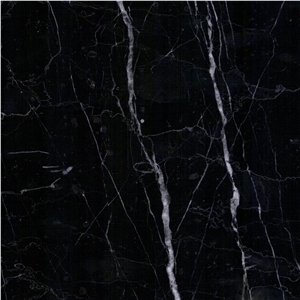
Crystalina Green Marble is a distinctive natural stone quarried in Greece, featuring a luminous, pale base with subtle greenish-white and icy tones. Its polished surface reveals a crystalline, sugar-like appearance, accented by a bold dark vein along the left edge that blends deep charcoal, black, and hints of olive green. Fine crystalline sparkles and faint warm-hued clouds create a serene yet dramatic contrast between the light background and the striking dark formation.

Texture & Structure

The stone displays a fine to medium crystalline, granular texture with a subtle translucent appearance in lighter areas. Its most distinctive feature is a strong, irregular dark vein that contrasts with the relatively uniform pale body. Delicate mineral clouds and scattered crystalline reflections add depth and visual interest. Natural variations in crystal size, veining, and color distribution occur between slabs.

Usage

Suitable for interior wall cladding, feature walls, decorative panels, reception counters, vanity tops, tabletops, fireplace surrounds, and selected flooring applications, subject to verified technical properties. Its pale crystalline body and dramatic dark veining make it particularly suitable for luxury interiors, statement installations, and book-matched slab designs. Countertop and wet-area applications should be assessed according to the stone's absorption, fissure characteristics, and resistance to staining and etching.

Maintenance

Clean regularly with a soft cloth or mop and a pH-neutral stone cleaner. Avoid acidic cleaners, vinegar, lemon juice, and abrasive products until the mineral composition is confirmed. Apply a compatible penetrating sealer if recommended following an absorption assessment. Wipe spills promptly, use coasters and cutting boards on countertops, and avoid harsh chemicals. Inspect visible fissures and dark vein areas before installation, and consult a stone-care professional for repairs, polishing, or persistent stains.

FAQ

If I use 1.2 cm thick Crystalina Green Marble as a table top, will it be strong enough? Will it break easily?

Using 1.2 cm thick Crystalina Green Marble for a tabletop can be feasible, but there are a few considerations to keep in mind: 1. **Thickness and Support**: A thickness of 1.2 cm (approximately 1/2 inch) for marble is relatively thin for a tabletop. While marble is a strong material, the thinner it is, the more susceptible it is to cracking under pressure or impact. To counteract this, it is crucial to provide substantial support. Ensure that the table structure underneath offers ample and evenly distributed support, such as a dense grid or a strong plywood backing. 2. **Weight Distribution**: Be mindful of how weight is distributed on the table. Heavy objects concentrated in a small area can increase the risk of cracking. Its advisable to spread out any heavy items to avoid placing too much stress on a single point. 3. **Durability**: Marble, although beautiful and luxurious, is a softer natural stone compared to granite or quartz. Its relatively more porous and can be prone to scratching or staining if not properly sealed and maintained. Regular sealing and careful usage can help preserve its integrity. 4. **Environment**: Consider the setting and usage of the table. If its meant for high-traffic areas or will endure heavy usage, a thicker marble or alternative materials might be more suitable to ensure longevity and resistance to damage. 5. **Professional Assessment**: It might be wise to consult with a professional before installation. They can provide recommendations on extra supports needed or assess the overall suitability based on your specific usage criteria. In essence, while a 1.2 cm marble slab could work for a tabletop with the right support and care, it may not be the most robust option available. If durability and strength are prime concerns, a thicker slab or a more resistant material might be preferable.

If I chop meat on a Crystalina Green Marble kitchen countertop, will it leave knife marks?

Chopping directly on a Crystalina Green Marble kitchen countertop can potentially leave knife marks. Marble is a relatively soft stone compared to other countertop materials like granite or quartz. It is prone to scratching and etching, especially with sharp objects like knives. To protect the surface and maintain its appearance, its advisable to use a cutting board when chopping meat or any other foods. This will help prevent knife marks and preserve the condition of the marble countertop.

How to get red stain off Crystalina Green Marble kitchen countertop?

Removing a red stain from a Crystalina Green Marble countertop requires care to avoid damaging the surface. Here’s a step-by-step guide on how to effectively clean the stain: ### Materials Needed: - Mild dish soap - Hydrogen peroxide - Baking soda - Soft cloths or sponges - Plastic wrap - Masking tape - Rubber gloves ### Steps: 1. **Act Quickly:** - As soon as you notice the stain, blot (don’t rub) it with a soft cloth to absorb as much of the red liquid as possible. 2. **Clean the Surface:** - Mix mild dish soap with warm water. - Gently wipe the stained area with a soft cloth dampened with the soapy solution to remove any surface residue. 3. **Prepare a Poultice:** - Mix baking soda with hydrogen peroxide to form a thick paste. The consistency should be like peanut butter. - Apply the paste over the stain, ensuring it’s thick enough to cover the entire stained area. 4. **Cover the Area:** - Place a piece of plastic wrap over the poultice. - Use masking tape to secure the edges to the countertop, effectively sealing the poultice in place. 5. **Let it Sit:** - Allow the poultice to dry completely. This could take 24 to 48 hours. The drying process will draw the stain out of the marble. 6. **Remove the Poultice:** - Once the poultice is dry, carefully remove the plastic wrap and use a damp soft cloth to wipe away the dry paste. 7. **Rinse and Dry:** - Clean the area with a damp cloth to remove any residue, then dry thoroughly with a clean, soft cloth. 8. **Seal the Marble:** - If needed, apply a marble sealer following the manufacturer’s instructions to protect the surface in the future. ### Additional Tips: - **Avoid using acidic cleaners** like vinegar or lemon juice, as they can etch the marble. - **Test any cleaning method** on a small, inconspicuous area first. - **Regular maintenance** of your marble countertop can prevent stains from setting in the future. If the stain persists after treating it with a poultice, you might need to contact a professional stone restoration specialist for help.

Can Crystalina Green Marble floor tiles discoloration be fixed?

Discoloration in Crystalina Green Marble floor tiles can sometimes be addressed, depending on the cause and extent of the discoloration. Here are some steps you might consider: 1. **Identify the Cause**: Before attempting any fix, its important to understand what caused the discoloration. Common causes include staining from spills, exposure to acidic substances, or improper cleaning. 2. **Cleaning**: For minor stains, a gentle cleaning solution can sometimes restore the original color. Use a pH-neutral cleaner specifically designed for marble, and avoid acidic or abrasive cleaners that can damage the surface. 3. **Poultice for Stains**: If stains are stubborn, a poultice can be used to draw out the discoloration. You can purchase a commercial poultice or make your own using materials like baking soda and water. Apply the poultice to the stained area, cover, and let it sit for 24-48 hours before wiping it clean. 4. **Honing and Polishing**: If the discoloration is due to etching or surface damage, professional honing and polishing might be necessary. This process involves sanding the surface to remove a fine layer and then polishing it to restore its shine. 5. **Sealing**: Once your tiles are clean, applying a good quality marble sealer can help protect against future staining and discoloration. 6. **Professional Restoration**: If the discoloration is extensive or if your efforts dont yield satisfactory results, consider consulting a professional stone restoration specialist. They have access to specialized tools and products that can provide more thorough restoration. Regular maintenance and careful cleaning can help prevent future discoloration of your marble tiles. Always follow manufacturer guidelines and use products specifically designed for marble to maintain its beauty.

Is Crystalina Green Marble translucent or suitable for backlighting?

Crystalina Green Marble is not typically known for its translucency, making it less suitable for backlighting compared to materials like onyx or certain types of alabaster. While it may have some degree of light transmission, it does not possess the level of clarity or light diffusion necessary for dramatic backlighting effects. If youre looking for a material specifically for backlighting, its best to choose one that is known for its translucency.

Can acidic foods damage Crystalina Green Marble kitchen countertop?

Yes, acidic foods can potentially damage a Crystalina Green Marble kitchen countertop. Marble is a natural stone composed mainly of calcium carbonate, which reacts with acids. When acidic substances such as lemon juice, vinegar, tomato sauce, or wine come into contact with marble, they can cause etching. Etching is a form of surface damage characterized by dull spots or marks, which occur because the acid eats away at the marbles surface. To protect your Crystalina Green Marble countertop, its important to promptly clean up spills of acidic substances and use cutting boards or trivets to prevent direct contact. Additionally, applying a high-quality sealant can help create a protective barrier against stains and etching, although it wont make the marble completely impervious to acid damage. Regular maintenance and using the right cleaning products specifically designed for marble can also help preserve its appearance.

Should Crystalina Green Marble kitchen countertop be sealed before installation?

Yes, Crystalina Green Marble countertops should be sealed before installation. Marble is a porous natural stone, and sealing it helps protect it from stains, moisture, and other potential damage. Applying a quality sealer creates a barrier that reduces the absorption of liquids and minimizes the risk of staining from everyday kitchen use. Its also a good idea to regularly reseal the countertop as recommended by the sealer manufacturer to maintain its protective properties over time. Additionally, consulting with a professional installer or stone care expert can provide guidance specific to your countertops needs.

Hot Marble

New Marble

Post Your Request

The request includes:
  1. surface finished, size
  2. quantity required