Post Your Needs

Didima Dark Marble

Brown - Marble

Greece

About

Item Details

Material Type:
Marble
Origin:
Greece (Didyma, Argolis, Peloponnese)
Primary Color(s):
Brown
Recommended Usage:
kitchen and bathroom countertops, wash basins, building stone, ornamental stone, stairs, interior, exterior wall and floor applications, mosaic, waterjet pattern, wall panels, table tops, balustrades, columns, wall and pool copings, pool pavers, sculptures, fireplaces, window sills
Additional Names:
Didima Brown Marble, Didima Dark Gray Marble, Didyma Dark Marble, Didimon Dark Marble, Didimou Dark Marble, Didymon Dark Marble, Didima Dark Marble
Finished Surface:
Polished,Bush Hammered,Tumbled,Brushed,Honed,Split,Machine Cut,Natural Surface,Sandblasted,Combed,Leathered,Water Jet,Filled,Chiseled,Pickling

Testing

Water Absorption:
0.27 By weight %
Density:
2720 kg/m3
Flexural Strength:
12.2 MPa
Compressive Strength:
112.2 MPa
Stone texture:
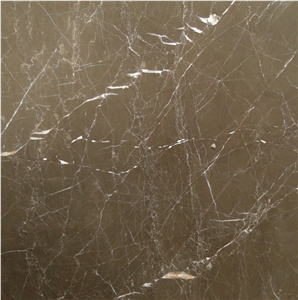
a dark beige to brown-grey (“hazelnut”) base tone, sometimes shifting slightly depending on the block. It typically has soft, cloudy veining with occasional lighter streaks or small white areas, giving it a calm but slightly dynamic natural pattern rather than strong dramatic veining; a geological structure, it is a dolomitic marble (mostly dolomite with minor calcite), which contributes to its relatively high strength and resistance compared to many softer calcite marbles

Description

Didima Dark Marble is a visually appealing natural stone characterized by a dark beige to brown-grey base tone, sometimes described as "hazelnut." This marble originates from Didyma, Argolis in the Peloponnese region of Greece. Its appearance is marked by soft, cloudy veining with occasional lighter streaks or small white areas, providing a calm yet slightly dynamic pattern. Structurally, it is a dolomitic marble, which consists mainly of dolomite with minor calcite, imparting greater strength and resistance compared to marbles composed primarily of calcite.

Physical and Mechanical Properties:

  • Apparent Density (EN 1936): 2740 kg/m³
  • Open Porosity (EN 1936): 1.1% vol.
  • Water Absorption at Atmospheric Pressure (EN 13755): 0.3% wt.
  • Compressive Strength (EN 1342 & EN 1926): 169 MPa
  • Flexural Strength under Concentrated Load (EN 12372): 20.1 MPa
  • Breaking Load at Dowel Hole (EN 13364): 2800 N
  • Abrasion Resistance (EN 14157 – Method B): 7896 mm³
  • Rupture Energy (EN 14158): 3 Joules
  • Frost Resistance (EN 12371 & EN 12372): 18.1 MPa
  • Hardness: Typically rated around 3-4 on the Mohs scale, indicative of its relative strength compared to softer marbles
  • Porosity: Low porosity, contributes to its resistance against staining and weathering
  • Slip Resistance: Generally moderate to low, depending on the finish; textured finishes enhance slip resistance

Chemical and Mineral Compositions:

Mineralogical Description (EN 12407 / EN 12670): Dolomite

Mineralogical Composition:

  • 91% Dolomite
  • 9% Calcite

Chemical Analysis (% in dry substance):

  • SiO₂: 0.65
  • Al₂O₃: <0.5
  • Fe₂O₃: 0.10
  • CaO: 35.00
  • MgO: 15.60
  • MnO: <0.10
  • TiO₂: <0.10
  • K₂O: 0.73
  • Na₂O: 0.28
  • LOI: 45.85

Usage:

  • Interior Applications: Well-suited for flooring, wall cladding, bathroom vanities, and kitchen countertops due to its aesthetic appeal and strength.
  • Exterior Applications: Used in facade cladding and landscaping features, though consideration is needed for slip resistance in areas exposed to rain.
  • Decorative Uses: Ideal for sculptures, fireplaces, and various artistic applications.

Maintenance:

  • Regular cleaning with a pH-neutral stone cleaner.
  • Periodic sealing to protect against staining, especially in high-use areas.
  • Avoid acidic or abrasive cleaning agents to prevent surface etching.

Cutting Sizes:

Typically available in standard tile sizes (e.g., 30x30 cm, 60x60 cm), slabs, and custom dimensions as needed for specific projects.

Common Surface Finish Options:

  • Polished: Enhances the stone's natural look and color, ideal for interiors.
  • Honed: A matte finish that offers a more subdued appearance and higher slip resistance.
  • Brushed: Adds texture and depth to the stone, suitable for both interior and exterior applications.
  • Sandblasted: Provides a rougher surface that enhances slip resistance, excellent for outdoor use.

Didima Dark Marble's blend of aesthetic appeal and structural resilience makes it a desirable option for a wide range of architectural and decorative uses. Its maintenance is relatively straightforward, ensuring its longevity and continued beauty in various environments.

FAQ

What grade is Greece's Didima Dark Marble?

The grade of Greeces Didima Dark Marble is not specified in the question. The grading system for marble can vary depending on various factors such as color, veining, and quality. Without specific information, it is not possible to determine the exact grade of Didima Dark Marble.

Can Greece's Didima Dark Marble be used exterior applications in very humid climates?

Yes, Greeces Didima Dark Marble can be used for exterior applications in very humid climates. Marble is a durable and weather-resistant material that can withstand different climatic conditions, including high humidity. However, it is important to ensure proper installation and maintenance to prevent moisture penetration and staining over time. Regular cleaning and sealing can help maintain the marbles appearance and performance in humid environments.

Can Greece's Didima Dark Marble be used in a kitchen?

Yes, Greeces Didima Dark Marble can be used in a kitchen. Marble is a popular choice for kitchen countertops due to its durability, heat resistance, and aesthetic appeal. However, it is important to keep in mind that marble is a natural stone and is porous, meaning it can stain or etch if not properly cared for. Regular sealing and maintenance are recommended to keep the marble in good condition, particularly in high-traffic areas like kitchens. Additionally, marble can be more prone to scratching compared to other materials, so it is important to use cutting boards and avoid dragging heavy or sharp objects across the surface.

What is the average water absorption of Greece's Didima Dark Marble?

There is no specific information available on the average water absorption of Greeces Didima Dark Marble. The water absorption rate can vary depending on the specific composition and characteristics of each individual slab of marble. It is recommended to consult the marble supplier or manufacturer for accurate information on the water absorption properties of Didima Dark Marble.

Can Greece's Didima Dark Marble be used outdoors?

Yes, Greeces Didima Dark Marble can be used outdoors. It is a durable and weather-resistant material, making it suitable for outdoor applications such as patio floors, pool surrounds, and exterior wall cladding. Its natural beauty and dark color make it a popular choice for outdoor design projects. However, it is important to note that regular maintenance and sealing may be required to ensure its longevity and prevent staining or damage from exposure to harsh weather conditions.

How thick is Greece's Didima Dark Marble slabs?

The thickness of Greeces Didima Dark Marble slabs can vary depending on the supplier and specific order. However, standard thickness options include 2 cm (0.79 inches) and 3 cm (1.18 inches).

Are there color variations of Greece's Didima Dark Marble?

Yes, there are color variations of Greeces Didima Dark Marble. While the base color is typically a deep black or dark gray, variations can be found in terms of the intensity of veining and the presence of additional colors. Some variations may have pronounced white or gray veining, while others may exhibit subtle golden or brown tones. The specific color variations can depend on the quarry and the specific block being extracted.

Can Greece's Didima Dark Marble be used in wall coverings?

Yes, Greeces Didima Dark Marble can be used in wall coverings. Didima Dark Marble is a popular choice for interior wall cladding due to its elegant and sophisticated appearance. It has a dark grey background with white veins running through it, creating a stunning visual effect. The natural beauty and unique patterns of Didima Dark Marble make it suitable for various wall coverings, including feature walls, accent walls, and even entire wall installations. Whether used in residential or commercial spaces, this marble can add a touch of luxury and glamour to any interior design.

What is the coefficient of friction of Chiseled Greece's Didima Dark Marble tiles?

I apologize, but I couldnt find information specific to Chiseled Greeces Didima Dark Marble tiles. The coefficient of friction for any specific material may vary depending on the surface finish, texture, and specific conditions. It would be best to consult the manufacturer or the supplier of the tiles for the coefficient of friction data.

Is Greece's Didima Dark Marble an expensive stone?

I do not have access to current market prices. However, the price of Didima Dark Marble can vary depending on factors such as quality, availability, and demand. Generally speaking, marbles are considered high-end materials and might be more expensive than other natural stones.

Products & Prices

Hot Brown Marble

New Marble

Post Your Request

The request includes:
  1. surface finished, size
  2. quantity required