Post Your Needs

Dove Gray Marble

Marble

China

About

Item Details

Material Type:
Marble
Origin:
China
Recommended Usage:
Kitchen and bathroom countertops, wash basins, building stone, ornamental stone, stairs, interior, exterior wall and floor applications, mosaic, waterjet pattern, wall panels, table tops, balustrades, columns, wall and pool copings, pool pavers, sculptures, fireplaces
Additional Names:
Langlang Grey Marble, Lang Lang Grey Marble, Langlang Gray Marble, Dove Grey Marble, Bright Gray Marble, Resonant Gray Marble, in China stone market:朗朗灰(Lǎng lǎng huī)
Finished Surface:
Polished,Bush Hammered,Tumbled,Brushed,Honed,Split,Machine Cut,Natural Surface,Sandblasted,Combed,Leathered,Water Jet,Filled,Chiseled,Pickling

Testing

Water Absorption:
~0.25–0.35% by weight
Density:
~2680–2700 kg/m³
Flexural Strength:
~13–15 MPa
Compressive Strength:
~100–105 MPa

Description

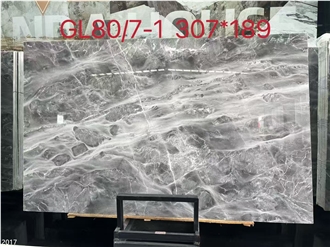
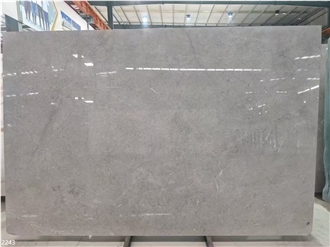
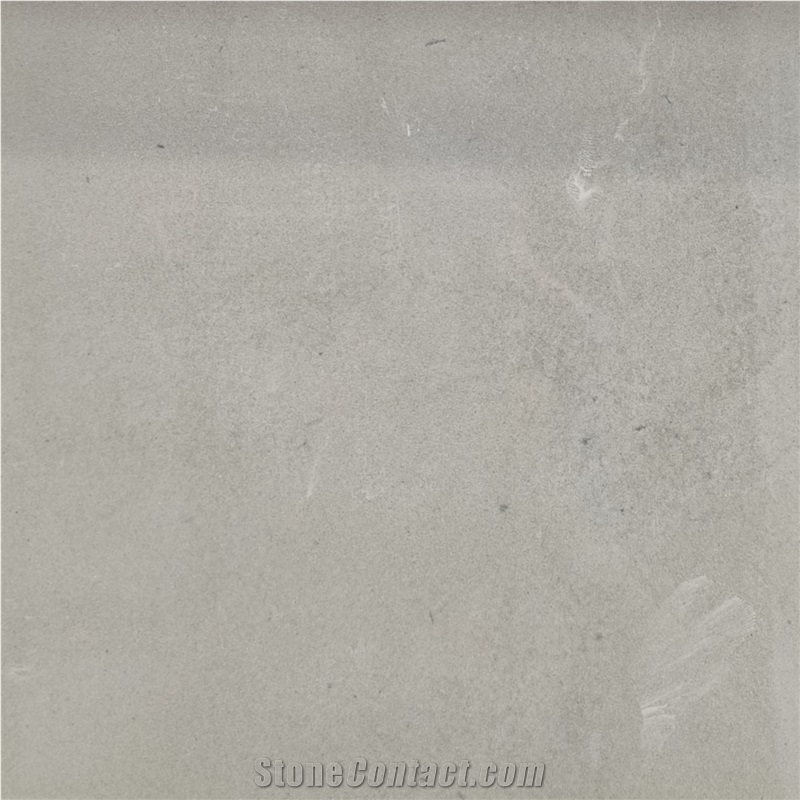
Dove Gray Marble is a fine-grained natural stone quarried in China, admired for its subtle elegance and versatility. It features a base color that ranges from earthy beige to soft dove gray, complemented by darker gray hues and delicate variations that add depth and character. The marble’s understated beauty makes it suitable for both modern and classic design schemes.

Texture & Pattern

Grain: Fine-grained with a smooth, uniform texture.

Pattern: Subtle veining or shaded patches with darker hues, creating a harmonious and calm aesthetic.

Overall Look: Soft, natural, with gentle transitions in color tone.

Physical & Mechanical Properties

(Typical values; may vary slightly depending on quarry batch)

  • Compressive Strength: ~100–105 MPa
  • Flexural Strength: ~13–15 MPa
  • Water Absorption: ~0.25–0.35% by weight
  • Bulk Density: ~2,680–2,700 kg/m³
  • Hardness (Mohs): ~3

Chemical & Mineral Composition (% by weight)

  • CaCO₃ (Calcium Carbonate): ~95%
  • MgCO₃ (Magnesium Carbonate): ~1–2%
  • SiO₂ (Silica): ~0.5–1%
  • Fe₂O₃ (Iron Oxide) + Al₂O₃ + others: ~1–2%

Surface Finish Options

  • Polished: High-gloss, emphasizes color depth and veining.
  • Honed: Smooth matte, ideal for contemporary aesthetics.
  • Leathered: Soft texture with slight sheen, slip-resistant.
  • Tumbled: Aged appearance, rounded edges.
  • Sawn Cut: Rough, natural surface ready for fabrication.

Available Cutting Sizes (cm)

Slabs:

  • 240–300 cm x 120–180 cm (standard thickness: 2 cm, 3 cm)

Tiles:

  • 30 x 30 cm
  • 30 x 60 cm
  • 60 x 60 cm
  • 60 x 120 cm
  • Custom sizes available on request.

Usage

  • Flooring (residential, commercial)
  • Wall cladding (interior, exterior)
  • Bathroom vanities, countertops
  • Stairs, fireplace surrounds
  • Decorative panels and furniture inlays

Maintenance

Regular cleaning with pH-neutral stone cleaner. Avoid acidic or abrasive cleaning agents. Seal periodically (especially honed, leathered, tumbled finishes) for added stain resistance. Wipe spills promptly to prevent potential staining.

FAQ

How can I repair the scratched surface of the Dove Gray Marble countertop?

Repairing a scratched Dove Gray Marble countertop involves a few careful steps. Here’s a general guide you can follow: 1. **Assess the Damage**: Determine the extent of the scratch. Light scratches can often be repaired relatively easily, while deeper scratches may require professional attention. 2. **Clean the Surface**: Start by cleaning the marble surface with a mild dish soap and warm water. Use a soft cloth or sponge to remove any dirt, dust, or debris. Rinse with clean water and dry thoroughly with a soft towel. 3. **Buff with a Polishing Powder**: For light scratches, use a marble polishing powder. Apply the powder to the scratched area and gently buff in a circular motion with a damp cloth or a buffer pad designed for stone surfaces. Follow the manufacturer’s instructions for the best results. 4. **Use a Marble Polishing Compound**: If the scratch is more noticeable, a marble polishing compound may be more effective. Again, work in circular motions over the scratch. Be patient, as this can take some time. Buff until the scratch is less visible. 5. **Wipe Clean**: Once the scratch is minimized, wipe the area clean with a damp cloth to remove any residue from the polishing compound or powder. Dry the area with a soft towel. 6. **Seal the Marble**: Consider applying a sealant to protect the marble from future scratches and stains. Follow the instructions provided with the sealant and ensure the surface is clean and dry before application. 7. **Consult a Professional**: If the scratches are deep or if you are not comfortable performing the repair yourself, it might be best to consult a professional stone restoration specialist. They can assess the situation and recommend the best course of action. Always make sure to test any product you use on a small, inconspicuous area first to ensure it doesn’t damage the marble. Additionally, regular maintenance, like using coasters and mats, can help prevent future scratches.

Do fruit juices stain the surface of Dove Gray Marble table top?

Yes, fruit juices can stain the surface of Dove Gray Marble or any other type of marble tabletop. Marble is a porous natural stone, which means it can easily absorb liquids that come into contact with its surface. The acids and pigments in fruit juices, particularly those from darker fruits or berries, can cause discoloration or etching if not cleaned up promptly. To protect your marble tabletop, its important to wipe up spills immediately and use coasters or placemats to prevent direct contact with acidic substances. Additionally, sealing your marble surface periodically can provide an extra layer of protection against staining. If a stain does occur, it may require specialized marble cleaners or professional care to remove it effectively.

Does the surface of Dove Gray Marble kitchen countertop scratch easily?

Dove Gray Marble, like other types of marble, is a natural stone that is susceptible to scratching. Marble is a softer stone compared to materials like granite or quartz, which makes it more prone to scratches and etching from everyday use. It’s important to take precautions to minimize damage, such as using cutting boards, avoiding dragging heavy or sharp objects across the surface, and promptly cleaning up spills. Regular sealing can also provide a degree of protection against scratches and stains. If you are concerned about durability and maintenance, it might be worth considering other countertop materials that offer greater resistance to scratching.

Can honed surface Dove Gray Marble be used for pool terrace pavement?

Using honed surface Dove Gray Marble for a pool terrace pavement can be a stylish choice, but there are several factors to consider to ensure it is suitable for your specific needs: 1. **Slip Resistance**: Honed marble has a smoother finish than textured or flamed surfaces, which can make it slippery when wet. This might not be ideal for areas around a pool where water is frequently present, increasing the risk of slips and falls. Its important to check the slip-resistance rating and consider additional treatments or finishes to enhance safety. 2. **Durability**: Marble is relatively durable but is more porous than some other natural stones. This can make it susceptible to staining and damage from pool chemicals. Regular sealing and maintenance are essential to preserve its appearance and durability. 3. **Maintenance**: Marble requires more upkeep than other materials. It needs to be sealed periodically, and spills should be cleaned promptly to prevent staining. Consider the long-term maintenance when choosing marble for outdoor use. 4. **Weather Conditions**: Depending on your climate, marble may be prone to weathering. In areas with freeze-thaw cycles, marble can crack if water seeps into its pores and freezes. 5. **Aesthetic Appeal**: Dove Gray Marble offers a luxurious and elegant look that can enhance the visual appeal of your pool area. Its neutral color can complement a variety of design schemes. If you decide to use honed Dove Gray Marble for your pool terrace, its advisable to consult with a professional to discuss treatments and maintenance plans that will maximize safety and longevity. Additionally, you might want to look into other surface finishes or materials if slip resistance or low maintenance is a priority.

Can Dove Gray Marble be used as a kitchen countertop?

Dove Gray Marble can be used as a kitchen countertop, but there are several factors to consider before making this decision. Marble is a beautiful and elegant natural stone, but it has characteristics that may affect its practicality in a kitchen setting: 1. **Porosity**: Marble is a porous material, which means it can absorb liquids and stains more easily than some other countertop materials. Spills from common kitchen items like wine, juice, or oil can potentially leave stains if not cleaned up quickly. 2. **Etching**: Marble is prone to etching, which occurs when it comes into contact with acidic substances such as lemon juice, vinegar, or certain cleaning products. These substances can cause dull spots on the surface. 3. **Durability**: Marble is softer than granite or quartz, making it more susceptible to scratches and chips, particularly in a high-use area like a kitchen. 4. **Maintenance**: Marble countertops require regular sealing to help protect against stains and etching. Regular maintenance is key to keeping them in good condition. 5. **Aesthetic**: Marble is highly regarded for its beauty, and Dove Gray Marble can add an elegant and sophisticated look to a kitchen. The unique veining and color can complement various design styles. If you decide to use Dove Gray Marble for your kitchen countertops, it is important to be mindful of these characteristics. Proper care, cleaning, and maintenance can help mitigate some of the challenges associated with using marble in the kitchen. However, if you anticipate heavy use and want a low-maintenance option, you might also consider materials like granite, quartz, or engineered stone, which can offer greater durability and resistance to staining and etching.

How can I maintain Dove Gray Marble flooring?

Maintaining Dove Gray Marble flooring involves regular care and attention to preserve its natural beauty and prevent damage. Here are some tips to help you maintain your marble flooring: 1. **Regular Cleaning**: - **Dust and Dirt Removal**: Use a soft, dry microfiber mop or a dust mop to sweep the floor daily. Avoid using a broom with rough bristles as it can scratch the surface. - **Damp Mopping**: Use a damp mop with warm water at least once a week. If necessary, use a pH-neutral cleaner designed specifically for marble. Avoid acidic or alkaline cleaners, as they can etch the surface. 2. **Immediate Spill Cleanup**: - Wipe up any spills immediately to prevent staining. Blot stains with a soft cloth rather than wiping, to prevent spreading the spill. 3. **Use Rugs and Mats**: - Place doormats at entrances to reduce the amount of dirt and grit that gets tracked onto the floor. Use area rugs or runners in high-traffic areas to minimize wear. 4. **Avoid Scratching**: - Use furniture pads or felt under the legs of furniture to prevent scratches. Avoid dragging furniture across the floor. 5. **Regular Sealing**: - Depending on the type of marble and use, sealing might be necessary every 6-12 months. Use a high-quality marble sealer to protect against stains and moisture. 6. **Avoiding Harsh Chemicals**: - Do not use vinegar, bleach, or other harsh cleaning chemicals, as they can damage the marble. Stick to pH-neutral, marble-safe products. 7. **Polishing**: - Regular polishing can maintain the marbles shine. If the floor starts to look dull, consider using a marble polishing powder or hiring a professional to restore its luster. 8. **Professional Maintenance**: - Periodically, its a good idea to have the marble professionally cleaned and polished to maintain its appearance and longevity. By following these steps, you can help ensure that your Dove Gray Marble flooring remains beautiful and in good condition for many years.

Is Dove Gray Marble suitable for facades in cold winter climates?

Dove Gray Marble can be used for facades in cold winter climates, but several factors should be considered to ensure its suitability and longevity: 1. **Freeze-Thaw Resistance**: Marble is a natural stone that can absorb moisture. In cold climates, water that seeps into the stone can freeze and expand, potentially causing the marble to crack or spall. It’s important to select a marble with low porosity and good resistance to freeze-thaw cycles. 2. **Quality and Finish**: Higher-quality marble with a denser composition will perform better in extreme weather conditions. A polished finish might be more susceptible to weathering, so a honed or textured finish could be more appropriate for exterior use. 3. **Sealing and Maintenance**: Regular sealing is essential to protect the marble from moisture penetration. Additionally, routine maintenance is necessary to address any damage and preserve its appearance. 4. **Installation**: Proper installation with suitable adhesives and installation techniques can help mitigate potential weather-related issues. Adequate backing support and space for thermal expansion should be considered. 5. **Weather Patterns**: Consider the specific weather patterns of the location, such as the frequency and duration of freeze-thaw cycles, as well as exposure to de-icing salts, which can affect the marbles condition. While Dove Gray Marble can work for facades in cold climates, it requires careful selection, appropriate installation, and ongoing maintenance to ensure its durability and appearance are preserved. Consulting with professionals who have experience in stone installations in cold climates can provide more tailored guidance.

Products & Prices

Hot Marble

New Marble

Post Your Request

The request includes:
  1. surface finished, size
  2. quantity required