Post Your Needs

Dove Marble

Grey - Marble

Turkey

About

Item Details

Material Type:
Marble
Origin:
Turkey (Balikesir)
Primary Color(s):
Grey
Recommended Usage:
Kitchen and bathroom countertops, monuments, building stone, ornamental stone, stairs, interior, exterior wall and floor applications, mosaic, waterjet pattern, wall panels, table tops, window sills
Additional Names:
Spider Gray Marble, Silver Dove Marble, Dove Gray Marble, Dove Grey Marble, Fior di Pesco Turkey Marble, Karesi Grey Marble, Fior di Pesco Marble, Gray Dove Marble, Dove Marble
Finished Surface:
Polished,Bush Hammered,Tumbled,Brushed,Honed,Split,Machine Cut,Natural Surface,Sandblasted,Acid Washing,Combed,Water Jet,Filled,Chiseled,Pickling

Testing

Water Absorption:
0.20 By weight %
Density:
2720 kg/m³
Flexural Strength:
13.5 MPa
Compressive Strength:
83.68 - 101.9 MPa

Description

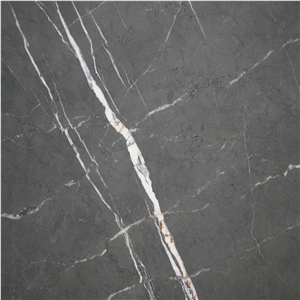
Dove Marble is a type of gray marble renowned for its elegant appearance and distinctive features. Quarried in the Balikesir district of Turkey, this marble is characterized by its light silver and smoky gray background, accentuated by variations in lighter shades. These variations create distinctive features and shadows, adding depth and character to the stone's surface.

The unique coloration and veining of Dove Marble make it a popular choice for a variety of interior applications. Whether used for countertops, wall cladding, or flooring, this marble provides an elegant and timeless aesthetic to any space. Its subtle yet striking appearance adds sophistication and charm, enhancing the overall ambiance of the room.

Thanks to its durability and resistance to wear, Dove Marble is suitable for both residential and commercial projects. Its versatility and timeless beauty make it a favored choice among architects, designers, and homeowners seeking to create stylish and inviting interiors.

Overall, Dove Marble is celebrated for its exquisite appearance, versatility, and durability, making it a cherished addition to any design project. Its unique coloration and veining ensure that each slab is a one-of-a-kind masterpiece, adding a touch of luxury and refinement to any space.

FAQ

How can I repair the scratched surface of the Dove Marble countertop?

Repairing a scratched Dove Marble countertop involves several steps to restore its appearance. Here’s a guide to help you: 1. **Assessment**: Determine the depth of the scratch. Surface-level scratches are easier to handle, while deeper ones may require professional assistance. 2. **Clean the Surface**: Before starting any repairs, clean the countertop with a mild dish soap and warm water to remove any dirt or debris. Dry the surface completely using a soft cloth. 3. **Polishing for Light Scratches**: - Use a marble polishing powder, available at most home improvement stores. - Sprinkle some polishing powder over the scratched area. - Dampen a soft cloth or buffing pad with water. - Gently buff the area using circular motions until the scratch diminishes. 4. **Sanding for Deeper Scratches**: - For deeper scratches, you might need to sand the surface. Use 400 to 600-grit sandpaper for minor scratches and higher grit sandpaper for smoother finishes. - Wet the sandpaper slightly and gently sand the scratched area in a circular motion. Be cautious not to sand too much beyond the scratch. - After sanding, use a marble polishing powder to return the shine. 5. **Buffing**: - Once the scratch is minimized, buff the entire countertop using a marble polishing compound to ensure a uniform shine. - Use a clean, soft cloth or a buffing pad for this process. 6. **Sealing**: - If your Dove Marble countertop was originally sealed, apply a marble sealant after polishing to protect the surface. Follow the manufacturer’s instructions. 7. **Maintenance**: - To prevent future scratches, use cutting boards and trivets, and avoid placing heavy or abrasive objects directly on the marble. If the scratches are deep or if youre unsure about performing the repairs yourself, it might be best to consult a professional who specializes in marble restoration.

Do fruit juices stain the surface of Dove Marble table top?

Dove Marble, like other marble surfaces, is susceptible to staining and etching due to its porous nature. Fruit juices, which are often acidic, can penetrate the surface of the marble and cause stains. The acids can also react with the calcium carbonate in the marble, leading to etching that dulls the surface finish. To protect your Dove Marble tabletop, it is important to promptly clean up any spills using a soft cloth and mild soapy water. Avoid letting fruit juices sit on the surface for extended periods. Additionally, consider using coasters or placemats to provide a barrier for drink containers and food. Regularly sealing the marble can also help reduce its porosity and make it more resistant to staining. If a stain or etch does occur, a professional restoration service may be able to polish out the damage.

Does the surface of Dove Marble kitchen countertop scratch easily?

Dove Marble is typically a form of natural stone that can provide a beautiful and elegant look for kitchen countertops. However, like many types of marble, it is prone to scratching and etching due to its relatively soft nature compared to other countertop materials like granite, quartz, or engineered stone. To prevent scratches and maintain the appearance of a Dove Marble countertop, it is advisable to: 1. Use cutting boards: Avoid cutting directly on the marble surface to prevent scratches. 2. Use trivets or mats: Place hot pots and pans on trivets or mats instead of directly on the countertop to prevent thermal shock and potential scratching. 3. Clean with care: Use a soft cloth and pH-neutral cleaner to clean the marble surface, avoiding abrasive cleaners that can cause scratches. 4. Seal regularly: Ensure the marble is properly sealed to protect against moisture and potential staining, which can also affect its appearance. Despite these precautions, marble will develop a patina over time, which some people find adds to its charm and character. If you prefer a surface that is more resistant to scratching, you might want to consider other materials.

Can honed surface Dove Marble be used for pool terrace pavement?

Honed surface Dove Marble can be used for pool terrace pavement, but there are several factors you should consider before making a decision: 1. **Slip Resistance:** Honed marble surfaces are smoother than textured finishes, and while they provide some resistance, they can become slippery when wet. Its important to ensure that the surface is safe, especially around a pool where water is frequently present. You may want to consider applying a non-slip treatment or choosing a textured finish specifically designed for outdoor use. 2. **Durability:** Marble is a natural stone and can withstand outdoor conditions, but it is softer and more porous than some other stone options like granite or quartzite. It may be prone to scratching, chipping, or staining, especially in high-traffic areas like a pool terrace. 3. **Maintenance:** Marble requires regular sealing to protect it from moisture and staining. Honed surfaces may show stains less than polished ones, but they still need to be maintained properly to keep them looking good over time. 4. **Temperature:** Marble can absorb heat and become hot to the touch under direct sunlight. This might be uncomfortable for bare feet around a pool area. If you live in a region with intense sun exposure, you should take this into account. 5. **Aesthetics:** Honed Dove Marble has a beautiful, soft appearance and can add elegance to your pool terrace. Ensure that its appearance aligns with your design preferences and the overall aesthetic of your outdoor space. In conclusion, while honed Dove Marble can be used for pool terrace pavement, make sure to weigh its aesthetic appeal against practical considerations like slip resistance, maintenance, and durability. Consulting with a stone professional or landscape designer might help you make a more informed decision.

Can Dove Marble be used as a kitchen countertop?

Dove Marble can be used as a kitchen countertop, but there are several factors to consider before making a decision. Marble, including Dove Marble, is a beautiful and elegant natural stone that can add a luxurious touch to any kitchen. However, it has some characteristics that may impact its suitability for use as a countertop: 1. **Porosity:** Marble is a porous material, which means it can absorb liquids that may stain it. This makes it more susceptible to stains from spills like wine, oil, or acidic substances such as lemon juice and vinegar. Regular sealing can help mitigate this issue, but it requires ongoing maintenance. 2. **Etching:** Marble is a carbonate stone, meaning it can react with acids. Acidic substances can cause etching, which appears as dull spots or light marks on the surface. This can be a concern in a kitchen environment where acidic foods are common. 3. **Scratches:** Marble is softer than other natural stones like granite, so it is more prone to scratches and nicks. Using cutting boards and avoiding dragging heavy objects across the surface can help prevent damage. 4. **Maintenance:** Marble requires more upkeep than some other countertop materials. Regular sealing and careful cleaning with pH-neutral cleaners are necessary to maintain its appearance over time. 5. **Aesthetic appeal:** If you value aesthetics and are willing to maintain it, Dove Marble can provide a unique and attractive look with its distinct veining and color variations. If you decide that Dove Marble is the right choice for your kitchen, be prepared for the additional care it requires. Alternatively, you might consider materials like granite or quartz, which offer more durability and less maintenance, while still providing a beautiful look.

How can I maintain Dove Marble flooring?

Maintaining Dove Marble flooring involves a combination of regular cleaning, protection from damage, and occasional professional care. Here are some steps to ensure your floor remains in good condition: 1. **Regular Cleaning:** - **Dust and Sweep:** Use a soft broom or a dry dust mop daily to remove dirt and dust, which can scratch the marble surface. - **Wash the Floor:** Clean with a damp mop using warm water and a mild, pH-neutral marble cleaner. Avoid using harsh chemicals or acidic cleaners like vinegar, which can damage the marble. - **Dry the Floor:** After mopping, use a soft cloth or towel to dry the floor to prevent water spots and further reduce the risk of slipping. 2. **Prevent Damage:** - **Use Rugs and Mats:** Place mats or area rugs in high-traffic areas and near the entrances to minimize dirt and grit reaching the floor. - **Furniture Pads:** Attach protective pads under furniture legs to prevent scratches. - **Spill Management:** Wipe up spills immediately to prevent staining. Acidic substances like wine, coffee, and citrus juices should be cleaned up right away. 3. **Protection:** - **Seal the Marble:** Regularly apply a quality marble sealer to provide an additional layer of protection against stains and etching. The frequency of sealing depends on usage but typically should be done every 6 to 12 months. - **Avoid Heavy Impacts:** Marble is susceptible to chipping and cracking, so avoid dropping heavy objects on the floor. 4. **Professional Care:** - **Polishing:** If the marble loses its shine or gets scratched, consider professional polishing. Professionals can restore marble floors by buffing, honing, or polishing based on the extent of damage. - **Repairs:** Deep scratches, chips, or stains that you cannot handle should be evaluated by professionals. 5. **Regular Inspection:** - Periodically inspect for signs of damage or wear. Addressing minor issues early can prevent them from becoming major problems. By following these guidelines, you can maintain the beauty and integrity of your Dove Marble flooring effectively.

Is Dove Marble suitable for facades in cold winter climates?

Dove Marble, like other natural stones, can be used for facades in cold climates, but several factors should be considered to ensure its suitability and longevity: 1. **Durability and Density**: Dove Marble should have good density and low porosity to withstand freeze-thaw cycles. Porous stones can absorb water, which expands when frozen, leading to cracking and damage over time. 2. **Finish and Surface Treatment**: A honed or textured finish might perform better than a polished one in exterior applications, as it may offer better resistance to weathering. 3. **Sealing**: Applying a quality sealant can help reduce water absorption, protecting the marble from freeze-thaw damage. 4. **Installation**: Proper installation techniques and the use of appropriate anchors and support systems are vital to accommodate temperature-induced expansion and contraction. 5. **Maintenance**: Regular maintenance, including the inspection and reapplication of sealant, can prolong the life of the marble facade. 6. **Local Conditions**: Consider specific local climate conditions such as exposure to de-icing salts, which can affect the longevity of the marble. Consulting with architects or engineers specializing in materials for cold climates can provide additional insights and recommendations tailored to specific projects.

How to get scratches out of Dove Marble floor tiles?

To remove scratches from Dove Marble floor tiles, you can try the following methods: 1. Start by cleaning the scratched area with a damp cloth or mop to remove any dirt or debris. 2. Mix a small amount of mild detergent with warm water and gently scrub the scratched area with a soft sponge or brush to remove any surface grime. 3. For deeper scratches, you can try using a marble polishing powder or paste. Apply a small amount of the product to the scratched area and buff it in with a soft cloth in circular motions until the scratch fades. 4. If the scratch is still visible, you may need to use a marble polishing compound. Apply a small amount of the compound to the scratched area and buff it in with a clean, soft cloth until the scratch is no longer visible. 5. For very deep scratches, you may need to seek professional help from a marble restoration specialist who can refinish the tiles to remove the scratches completely. 6. Once the scratches are removed, be sure to properly rinse and dry the area to prevent any residue from causing damage to the marble surface. Remember to always test any cleaning or polishing products on a small, inconspicuous area of the tile first to ensure they do not cause damage to the marble.

Is polished Dove Marble floors easily scratched?

Polished Dove Marble is a durable and long-lasting material but it can still be susceptible to scratching, especially if sharp or abrasive objects are dragged across the surface. Regular maintenance and proper care can help minimize the risk of scratches on polished marble floors. Using felt pads on furniture legs, sweeping regularly to remove grit and dirt that can cause scratching, and cleaning with a pH-neutral cleaner are all ways to help protect and maintain the beauty of polished Dove Marble floors.

Does 3cm thick Dove Marble countertop crack easily?

Dove marble is a type of marble known for its beauty and durability. However, like all natural stones, it is not impervious to cracking. The thickness of the countertop can provide some extra strength and reduce the likelihood of cracks, but it is still possible for a 3cm thick Dove marble countertop to crack under certain circumstances. To prevent cracking, it is important to properly seal and maintain the marble, avoid placing heavy or sharp objects directly on the surface, and protect it from extreme temperature changes. Proper installation by a skilled professional is also important in ensuring the durability of the countertop. Overall, while a 3cm thick Dove marble countertop may be less likely to crack compared to a thinner countertop, it is still important to take care of and maintain the countertop to prevent any potential damage.

Products & Prices

View More

Hot Grey Marble

New Marble

Post Your Request

The request includes:
  1. surface finished, size
  2. quantity required