Post Your Needs

Dragonia Marble

Marble

Albania

About

Item Details

Material Type:
Marble
Origin:
Albania
Recommended Usage:
Kitchen and bathroom countertops, wash basins, building stone, ornamental stone, stairs, interior, exterior wall and floor applications, mosaic, waterjet pattern, wall panels, table tops, balustrades, columns, wall and pool copings, pool pavers, fireplaces
Additional Names:
Dragonia Black Marble, Danqing Black Marble, Ink-painting Black Marble, Deep Artistic Black Marble, in China stone market:进口爱马仕, 丹青黑(jìn kǒu ài mǎ shì, dān qīng hēi), Dragonia Marble
Finished Surface:
Polished,Bush Hammered,Tumbled,Brushed,Honed,Split,Machine Cut,Natural Surface,Sandblasted,Combed,Leathered,Water Jet,Filled,Chiseled,Pickling

Testing

Water Absorption:
0.30 – 0.45 % by weight
Density:
2650 – 2720 Kg/m³
Flexural Strength:
10 – 14 MPa
Compressive Strength:
95 – 125 MPa

Description

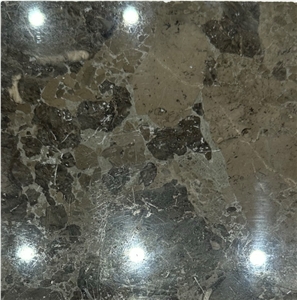
Dragonia Marble is a distinctive brecciated marble quarried in Albania, appreciated for its bold, geological character and earthy elegance. It features a dramatic composition of angular fragments embedded in a compact carbonate matrix, giving the stone a strong architectural presence suitable for both classic and contemporary designs.

Color, Texture & Pattern

  • Base Color: Warm taupe to brown-gray background
  • Fragments (Breccia): Dark brown, olive, and charcoal clasts
  • Veining: Fine white calcite veins and hairline fissures
  • Texture: Medium- to coarse-grained brecciated texture
  • Pattern: Random, mosaic-like breccia with natural movement
  • Visual Effect: Earthy, organic, and robust with strong depth

Physical & Mechanical Properties (Typical Values)

  • Bulk Density: 2.65 – 2.72 g/cm³
  • Water Absorption: 0.30 – 0.45 % (by weight)
  • Open Porosity: 0.8 – 1.2 %
  • Compressive Strength: 95 – 125 MPa
  • Flexural Strength: 10 – 14 MPa
  • Abrasion Resistance: 18 – 22 mm
  • Frost Resistance: Suitable with proper sealing
  • Hardness Mohs Hardness: ~3.0 – 3.5 (Typical of calcite-based marbles)

Chemical Composition (Approx. % by Weight)

  • Calcium Carbonate (CaCO₃): 93 – 96 %
  • Magnesium Carbonate (MgCO₃): 1 – 2 %
  • Silica (SiO₂): 1.0 – 2.0 %
  • Iron Oxides (Fe₂O₃): 0.3 – 0.8 %
  • Other Minerals: <1 %

Mineralogical Composition (% by Weight)

  • Calcite: 90 – 94 %
  • Dolomite: 2 – 4 %
  • Quartz: 1 – 2 %
  • Accessory Minerals: Micas, iron oxides, clay minerals (<1–2 %)

Available Surface Finishes

  • Polished (high gloss, enhanced depth)
  • Honed (matte, smooth)
  • Brushed
  • Antiqued / Tumbled
  • Leathered (selected slabs)

Standard Cutting Sizes

  • Slabs 2 cm & 3 cm thickness
  • Random slab sizes (typical Albanian block yield)
  • Tiles / Cut-to-Size 30 × 30 cm, 30 × 60 cm ,60 × 60 cm
  • Custom dimensions on request

Other Products

  • Stair treads & risers
  • Window sills
  • Vanity tops
  • Fireplace surrounds

Applications

  • Interior flooring
  • Feature walls & cladding
  • Bathroom walls and vanities
  • Fireplace surrounds
  • Boutique hotels, luxury residences, retail interiors

⚠️ Recommended mainly for interior use or protected exterior applications.

Maintenance & Care

  • Seal before installation and re-seal periodically
  • Clean with pH-neutral stone cleaners only
  • Avoid acidic substances (vinegar, citrus, harsh chemicals)
  • Wipe spills promptly to prevent etching

Design Character

Dragonia Marble offers a natural, architectural, and timeless appeal, ideal for designers seeking a stone with geological depth and bold character rather than uniformity. Its brecciated structure makes every slab unique.

FAQ

Can Dragonia Marble be used for kitchen countertop?

Yes, Dragonia Marble can be used for a kitchen countertop, but there are several considerations to keep in mind. Marble is a beautiful and classic choice for countertops, offering a unique appearance with natural veining and color variations. However, marble is a softer and more porous stone compared to granite or quartz. This means it can be prone to scratching, staining, and etching, especially in high-use areas like a kitchen. Here are some points to consider if you are thinking about using Dragonia Marble for your kitchen countertop: 1. **Sealing:** Marble countertops should be properly sealed during installation and resealed periodically to help prevent staining and etching. 2. **Maintenance:** Marble requires more regular maintenance than some other materials. Clean up spills promptly, especially acidic substances like citrus, vinegar, and tomato sauce, which can etch the surface. 3. **Scratch Resistance:** Be cautious with sharp objects as marble can scratch more easily than harder materials. 4. **Heat Sensitivity:** While marble is heat-resistant, its still advisable to use trivets or hot pads under hot cookware to prevent thermal shock or discoloration. 5. **Aesthetic Appeal:** If you prefer a natural stone with a unique and elegant look, the aesthetic value of Dragonia Marble can be a significant advantage. Ultimately, if you are willing to invest time in maintenance and care, Dragonia Marble can be a striking and luxurious choice for a kitchen countertop. Consider consulting with a stone professional or designer to fully understand the properties and maintenance requirements of Dragonia Marble in your specific kitchen setting.

How can I repair the scratched surface of the Dragonia Marble steps?

Repairing scratched Dragonia Marble steps requires a careful approach to restore their original appearance without causing further damage. Here’s a step-by-step guide: 1. **Assess the Damage:** - Determine the depth of the scratches. Surface-level scratches can often be repaired more easily than deeper ones. 2. **Clean the Area:** - Use a pH-neutral stone cleaner to remove any dirt, dust, or debris from the scratched area. Thoroughly dry the surface with a clean, soft cloth. 3. **Sanding (for deeper scratches):** - If the scratches are deep, you may need to sand them with fine-grit wet/dry sandpaper (start with a grit like 400 or 600). Work gradually, using circular motions to blend the scratch with the surrounding stone. - Progressively switch to finer grits (800, 1000 or higher) to smooth the surface. Always use water to keep the surface lubricated and to reduce friction and heat. 4. **Polishing:** - Use a marble polishing powder or compound. Apply a small amount to the scratched area. - With a soft cloth or a low-speed polisher, gently buff the surface. Use a circular motion until you achieve the desired shine. Ensure no residue is left on the marble. 5. **Sealing:** - Once polished, apply a marble sealer to the repaired area for protection. Follow the manufacturers instructions for application and drying times. - Allow it to cure completely before using the steps again. 6. **Maintaining the Marble:** - To help prevent further scratches, place mats or runners on high-traffic areas. - Regularly clean with non-abrasive, pH-neutral cleaners, and promptly wipe up spills. If the damage is extensive or you are unsure about any step, it may be best to consult or hire a professional stone restoration service to avoid accidental damage.

Is Dragonia Marble with a polished surface good for house flooring?

Dragonia Marble with a polished surface can be suitable for house flooring, offering several advantages and some considerations: ### Advantages: 1. **Aesthetic Appeal**: Polished Dragonia Marble has a high-gloss finish that enhances its natural patterns and colors, adding elegance and luxury to any room. 2. **Durability**: Marble is generally a durable material, capable of withstanding regular foot traffic. 3. **Cool Surface**: Marble tends to stay cool, which can be beneficial in warmer climates. 4. **Increased Property Value**: Marble flooring can potentially increase the resale value of a home due to its perceived luxury. ### Considerations: 1. **Maintenance**: Polished marble can show scratches and etches more readily, so it may require regular maintenance, including sealing and polishing, to keep it looking pristine. 2. **Slipperiness**: When wet, polished marble can be very slippery, posing a safety hazard in areas like bathrooms and kitchens. 3. **Porosity**: Being a natural stone, marble is porous and can stain if spills are not cleaned promptly. 4. **Cost**: Marble can be more expensive than other flooring options such as ceramic tiles or laminate. ### Tips: - Consider using rugs or runners in high-traffic areas to protect the surface. - Be mindful of using non-slip mats or textured finishes for areas prone to moisture. - Regularly clean using pH-neutral cleansers specifically designed for natural stone to maintain its appearance. In summary, while Dragonia Marble can be an excellent choice for house flooring due to its beauty and durability, thoughtful care and maintenance are essential to preserve its finish and safety.

Is Dragonia Marble a suitable choice for gravestones?

Dragonia Marble can be an interesting choice for gravestones, depending on your specific requirements and personal preferences. Here are a few factors to consider: 1. **Aesthetic Appeal**: Dragonia Marble often has a unique and attractive appearance, which can give gravestones an elegant and distinctive look. You might want to consider the color, veining, and overall pattern to ensure it meets your aesthetic expectations. 2. **Durability**: Marble is generally less durable than granites and other stones commonly used for gravestones. Over time, marble can weather and erode due to exposure to the elements, which might affect the legibility of inscriptions. Consider whether the appearance and maintenance requirements are suitable for your needs. 3. **Maintenance**: Marble requires regular maintenance to maintain its appearance, as it is more susceptible to staining and weathering compared to harder stones. This could include cleaning and sealing to protect it from the elements. 4. **Cost**: Marble can be more expensive than some other materials. Its important to consider your budget and whether the cost aligns with your financial plan. 5. **Cultural Significance and Personal Preference**: Sometimes certain materials carry cultural or personal significance. If Dragonia Marble holds importance to you or your family, it could be a meaningful choice. Ultimately, while Dragonia Marble can be used for gravestones, its essential to weigh these factors and possibly consult with a stonemason or supplier who can provide specific insights into how Dragonia Marble will perform and meet your expectations.

Will a hot pot leave a mark on a Dragonia Marble kitchen countertop?

Dragonia Marble, like other natural stones, is susceptible to heat damage. If a hot pot is placed directly on the surface, it could potentially leave a mark or cause discoloration due to thermal shock. Marble is softer and more porous than other countertop materials like granite, which makes it more vulnerable to staining, etching, and heat damage. To avoid leaving a mark, it is advisable to use trivets or heat-resistant pads under hot pots and pans. This will help protect the marble and maintain its appearance over time. Additionally, regular sealing of the marble surface can offer some protection, although it wont make it immune to heat-related damage.

If lemonade spills on a Dragonia Marble kitchen countertop, will it damage the surface?

Dragonia Marble, like other natural marbles, is susceptible to etching and staining due to its calcium carbonate composition. Acidic substances, such as lemonade, can react with the surface of the marble, causing etching—a dulling or discoloration of the surface. Therefore, it is important to clean up spills immediately to minimize potential damage. After cleaning, you may need to use a marble polish or a professional refinishing service to restore the surface if etching has already occurred. Additionally, consider applying a good-quality sealant to help protect the marble from future spills and stains.

Can I use bleach when cleaning a Dragonia Marble kitchen countertop?

It is not recommended to use bleach on Dragonia Marble countertops, or any marble surfaces, as bleach is too harsh and can cause damage. Marble is a natural stone that is quite porous and sensitive to acidic and alkaline substances. Using bleach may lead to etching, staining, or dulling of the polished finish. For cleaning marble countertops, its best to use pH-neutral cleaners specifically designed for stone, or simply use a mixture of mild dish soap and warm water. Always dry the surface thoroughly with a soft cloth to prevent water spots, and consider applying a stone sealer every year or so to help protect against staining.

Products & Prices

Hot Marble

New Marble

Post Your Request

The request includes:
  1. surface finished, size
  2. quantity required