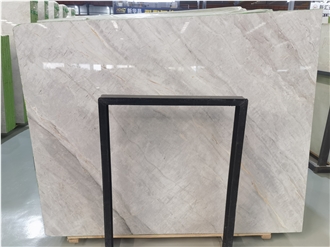
Greeces Elba White Marble is a popular natural stone that is commonly used in both interior and exterior applications. However, its suitability for exterior applications in very dusty climates may depend on several factors.
Elba White Marble is known for its durability and resistance to various weather conditions, making it suitable for outdoor use in general. However, dusty climates can pose challenges as dust particles can accumulate and settle on the surface of the marble, impacting its appearance and requiring regular maintenance.
To ensure the long-term performance of Elba White Marble in very dusty climates, it is crucial to consider the following factors:
1. Surface Finish: The surface finish of the marble can play a significant role in its resistance to dust accumulation. A polished surface may be more susceptible to collecting dust and showing visible dirt marks, while a honed or textured finish could minimize the appearance of dust particles.
2. Sealing: Applying a high-quality sealer specifically designed for marble can help protect the stone from dust penetration. Sealing creates a protective barrier, making the surface less prone to staining and easier to clean.
3. Maintenance: Regular maintenance, such as dusting and cleaning, is essential to prevent the build-up of dust particles on the marble surface. Using soft brushes or dusting cloths is recommended to avoid scratching the stone.
4. Location and Design: Proper design considerations, such as avoiding large flat surfaces prone to dust accumulation, can help reduce the need for constant cleaning and maintenance.
While Elba White Marble can be used in exterior applications in dusty climates, it is crucial to understand that regular cleaning and maintenance may be required to preserve its appearance and prevent the accumulation of dust. Consulting with a professional architect or stone supplier who understands the specific requirements of Elba White Marble can provide more tailored guidance to your intended application.


 Greece (Kavala, Northern Greece)

 14YR

 China


 Turkey


 Australia

 Italy


 Namibia


 India