Post Your Needs

Elephant White Marble

White - Marble

China

About

Item Details

Material Type:
Marble
Origin:
China
Primary Color(s):
White
Recommended Usage:
Kitchen and bathroom countertops, monuments, building stone, ornamental stone, stairs, interior, exterior wall and floor applications, mosaic, waterjet pattern, wall panels, table tops, window sills, balustrades, columns, wall and pool copings, pool pavers, sculptures, fireplaces
Additional Names:
Elephant Gray Marble, Chinese Calacatta Violet Marble, Chinese Bvlgari Marble, Chinese Bulgari Marble, China Bulgari Marble, Arabescato Elephant White Marble, Arabescato Elephant Marble, China Blue Galaxy Marble, Eastern Bulgari Marble, Oriental Bulgari Marble, in Chinese stone market:中国宝格丽(Zhōngguó bǎo gé lì), 大象白 (Dà Xiàng Bái), 东方宝格丽 (Dōng Fāng Bǎo Gé Lì), Elephant White Marble
Finished Surface:
Polished,Bush Hammered,Tumbled,Brushed,Honed,Split,Machine Cut,Natural Surface,Sandblasted,Acid Washing,Combed,Leathered,Water Jet,Filled,Chiseled,Pickling

Description

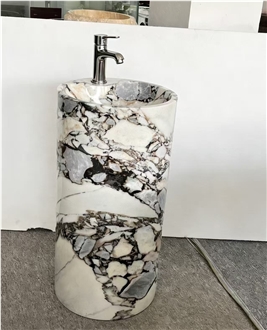
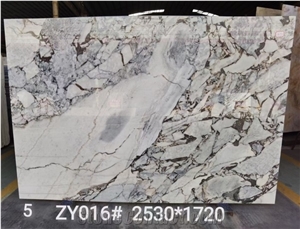
Elephant White Marble is a sophisticated marble variety originating from China, distinguished by its elegant characteristics. This marble showcases captivating sunset curtains adorned with plum lilac-grey shadows reminiscent of large dry roses, set against a semi-white background enriched with prominent white and gray patterns. Additionally, it features dark purple accents, adding depth and richness to its appearance.

Regarding color variations, China's Elephant White Marble exhibits a range of hues despite its typical white or off-white base color. Natural veining patterns and shades of gray, beige, or even light blue may be present, reflecting the diverse mineral composition and geological influences during its formation. Furthermore, the appearance of Elephant White Marble can be further enhanced or altered depending on the finish applied, such as polished, honed, or brushed, offering versatility in design and aesthetic preferences.

FAQ

How can I repair the scratched surface of the Elephant White Marble steps?

Repairing a scratched surface of Elephant White Marble steps requires careful attention to detail and the right techniques to ensure a seamless finish. Here’s a step-by-step guide to help you with the repair process: 1. **Assess the Damage**: Examine the scratches closely to determine their depth and severity, as this will dictate the method you need to use. 2. **Gather Your Materials**: - Marble polishing powder. - 400 and 600 grit sandpaper (for minor scratches) or diamond sanding pads (for deeper scratches). - A soft cloth or sponge. - A marble sealant. - Buffing machine (optional for large areas). 3. **Clean the Area**: Start by thoroughly cleaning the marble surface with a pH-neutral cleanser to remove any dirt or debris. Make sure the surface is completely dry before proceeding. 4. **Sanding**: - For light scratches, use 400 grit sandpaper to gently sand the area, following the direction of the grain if visible. For deeper scratches, use diamond sanding pads starting at a lower grit (around 200), and gradually move to higher grits (400 to 600). - Wipe the surface clean with a damp cloth to remove marble dust. 5. **Polish the Surface**: - Apply a small amount of marble polishing powder to the scratched area. - Using a damp sponge or buffer, gently work the powder into the surface in circular motions until the scratch is no longer visible. - Wipe away excess powder with a clean, damp cloth. 6. **Seal the Marble**: After polishing, apply a marble sealer to protect the surface from future damage. Follow the manufacturers instructions for the best results. Ensure the sealer is suitable for white marble to prevent discoloration. 7. **Buff the Surface**: For a high-gloss finish, use a soft cloth to buff the surface once the sealer is dry. 8. **Regular Maintenance**: To keep your marble steps looking their best, clean them regularly with a pH-neutral cleaner and reseal as needed. By following these steps, you can effectively repair and restore the beauty of your Elephant White Marble steps. If the scratches are too deep or you are uncomfortable performing the repair yourself, consider consulting a professional specializing in marble restoration.
Can I mix cleaning vinegar and Dawn dish soap together to clean a Elephant White Marble countertop?

When it comes to cleaning marble surfaces, its important to be cautious with the products you use, as marble is a sensitive and porous natural stone that can be easily damaged by acidic substances. Cleaning vinegar is acidic, and using it on marble can etch or dull the surface, leading to permanent damage. Dawn dish soap is generally pH neutral and safe for cleaning a variety of surfaces, including marble, when diluted properly. To clean an Elephant White Marble countertop, it is better to use a gentle cleaning solution: 1. **Soap and Water Solution**: Mix a small amount of pH-neutral dish soap with warm water. Use a soft cloth or sponge to wipe down the countertop, being careful not to scrub too hard. 2. **Rinse Thoroughly**: After wiping with the soap solution, rinse the countertop with clean water to remove any soap residue. 3. **Dry Completely**: Use a soft towel to dry the surface completely, as standing water can lead to stains or watermarks on marble. Avoid using vinegar or any acidic cleaners, including lemon juice or any harsh abrasives. Always test any cleaning solution in an inconspicuous spot first to ensure it does not damage the marble surface.

Can Elephant White Marble be used as paving stone in areas with heavy snowfall in winter? Is it frost-resistant?

Elephant White Marble, like many types of marble, is not typically recommended for use as paving stone in areas with heavy snowfall and frost due to several reasons: 1. **Porosity**: Marble is a porous material, which means it can absorb water. In freezing conditions, absorbed water can freeze, expand, and cause the stone to crack or become damaged. 2. **Durability**: While marble is a strong stone, it is softer and more prone to scratching and wear compared to other materials like granite or certain engineered stones. The freeze-thaw cycle can further exacerbate this. 3. **Slip-Resistance**: Marble can become quite slippery when wet, which can pose a safety hazard in snowy or icy conditions. 4. **Frost Resistance**: Though some marbles have varying degrees of frost resistance, most are not ideal for exterior paving in climates with frequent freeze-thaw cycles. Marbles natural properties usually do not provide enough resistance to withstand such harsh conditions over time. If you are set on using a natural stone for paving in a cold climate, you might want to consider harder, more durable stones like granite, which are better suited for such environments. Always ensure whatever material you choose is properly sealed and consult with a local stone supplier or professional to ensure it meets the specific conditions of your area.

If I use Elephant White Marble as a bar countertop, will alcoholic drinks damage its surface over time?

Using Elephant White Marble as a bar countertop can be a beautiful choice, but there are some considerations to keep in mind regarding its interaction with alcoholic drinks. Marble is a natural stone composed mainly of calcite, and it is porous and prone to etching and staining. Here are some potential issues and tips for maintaining its appearance: 1. **Etching**: Acidic substances, which include many alcoholic beverages, can etch marble. Etching appears as dull spots on the marble surface. Even though the alcohol itself might not cause severe etching, mixed drinks with citrus, soda, or other acidic ingredients can. 2. **Staining**: Because marble is porous, it can absorb liquids, leading to stains. Wine, colored liqueurs, and mixers can leave stains if not quickly wiped up. 3. **Sealant**: Applying a high-quality sealant can provide some protection against staining and etching. However, no sealant can make marble completely impervious to damage. Sealants need regular reapplication, usually every 6 to 12 months, depending on use and the specific product used. 4. **Cleaning**: Spills should be wiped up immediately with a soft cloth or paper towel. Avoid using acidic or abrasive cleaners; instead, use a pH-neutral cleaner specifically designed for natural stone. 5. **Coasters and Mats**: Using coasters for drinks and placing mats under cocktail shakers and other bar tools can help protect the surface from potential damage. In summary, while Elephant White Marble can be used as a bar countertop, it requires careful maintenance and prompt attention to spills to minimize damage from alcoholic drinks over time.

How can I remove mold from Elephant White Marble wall tiles?

Removing mold from Elephant White Marble wall tiles should be done with care to avoid damaging the marble. Here are some steps to help you do this safely: 1. **Gather Supplies:** - Soft cloths or sponges - Mild dish soap - Warm water - Baking soda - Soft bristle brush or toothbrush - Spray bottle - Hydrogen peroxide (3% solution) - Microfiber towel 2. **Prepare the Cleaning Solution:** - Mix a few drops of mild dish soap with warm water in a spray bottle. Avoid using harsh chemicals or acidic cleaners like vinegar, lemon, or ammonia as they can etch the marble surface. 3. **Initial Cleaning:** - Gently wipe down the affected area with a soft cloth dampened with the soapy solution. This will help remove surface dirt and make it easier to see the mold spots clearly. 4. **Apply Baking Soda Paste:** - In a bowl, mix baking soda with a small amount of water to create a thick paste. Apply this paste over the moldy areas. Baking soda is non-abrasive and safe for marble. 5. **Agitate and Let it Sit:** - Use a soft bristle brush or an old toothbrush to lightly scrub the paste on the moldy spots. Be gentle to avoid scratching the marble. Leave the paste on for about 15-30 minutes to allow it to penetrate the mold. 6. **Rinse Thoroughly:** - Using a clean, damp cloth, wipe away the baking soda paste, ensuring that all residue is removed. 7. **Apply Hydrogen Peroxide:** - If the baking soda does not fully remove the mold, you can use hydrogen peroxide. Spray a small amount of 3% hydrogen peroxide on a test area first to confirm it does not affect the marble. If safe, lightly spray the affected areas and let it sit for about 10–15 minutes. 8. **Final Rinse and Dry:** - Rinse the area thoroughly with clean water and dry it immediately with a microfiber towel to prevent water spots or damage. 9. **Maintain and Prevent:** - Regularly clean the tiles with a pH-neutral cleaner designed for marble to prevent mold from returning. - Ensure proper ventilation to reduce humidity levels, which contribute to mold growth. 10. **Consult Professionals:** - For extensive mold issues or if you are unsure about the cleaning process, consider consulting a professional cleaner experienced with marble surfaces. By following these steps, you can safely remove mold from your Elephant White Marble wall tiles while keeping the surface intact and shiny.

Will a hot pot leave a mark on a Elephant White Marble kitchen countertop?

Placing a hot pot directly on an Elephant White Marble kitchen countertop can potentially leave a mark. Marble is a natural stone that is susceptible to thermal shock from extreme changes in temperature, which can cause discoloration or cracking. Its generally advised to use trivets or heat pads to protect the marble from direct contact with hot cookware. This precaution helps maintain the appearance and integrity of the countertop.

Does Elephant White Marble countertop crack easily?

Elephant White Marble is a durable and strong material, but like all natural stones, it can crack under extreme pressure or impact. With proper care and maintenance, Elephant White Marble countertops should not crack easily. It is important to avoid placing heavy objects on the countertops, using cutting boards to prevent scratching, and avoiding extreme temperature changes. Regular sealing and cleaning can also help extend the life of the countertop and prevent cracking.

Does Elephant White Marble countertop stain easily?

Like all natural stone countertops, Elephant White Marble can be prone to staining if not properly sealed and maintained. Marble is a softer, more porous stone compared to granite, so it can be more susceptible to staining from liquids such as red wine, coffee, or acidic substances. To help prevent staining, it is important to reseal the marble countertop regularly and clean up spills immediately. It is also important to use a mild, pH-neutral cleanser when cleaning the countertop to avoid damaging the marbles surface. Overall, while Elephant White Marble countertops can stain if not properly maintained, with regular sealing and care, they can remain beautiful and free from stains for many years.

How often should I reseal Elephant White Marble countertop?

It is recommended to reseal Elephant White Marble countertops every 6-12 months to maintain their appearance and protect them from stains and damage. However, the frequency of resealing may vary depending on the amount of use and exposure to potential staining agents. It is important to regularly check the condition of the countertop and reseal as needed.

Is Elephant White Marble porous?

Yes, Elephant White Marble is porous. Marble is a naturally porous material, which means it can absorb liquids and other substances if not properly sealed and maintained. It is important to seal marble surfaces to prevent staining and damage from liquids.

Products & Prices

View More

Hot White Marble

New Marble

Post Your Request

The request includes:
  1. surface finished, size
  2. quantity required