Post Your Needs

Emerald Valley Orchid Marble

Marble

Brazil

About

Item Details

Material Type:
Marble
Origin:
Brazil
Recommended Usage:
Kitchen and bathroom countertops, wash basins, building stone, ornamental stone, stairs, interior, exterior wall and floor applications, mosaic, waterjet pattern, wall panels, table tops, balustrades, columns, wall and pool copings, pool pavers, fireplaces, window sills
Additional Names:
Cactus Boreal Marble, Brazil Cippolino Marble, Orchid Jade Marble, Emerald Valley Marble, in China stone market:翠谷幽兰(Cuìgǔ Yōulán)
Finished Surface:
Polished,Bush Hammered,Tumbled,Brushed,Honed,Split,Machine Cut,Natural Surface,Sandblasted,Combed,Leathered,Water Jet,Filled,Chiseled,Pickling

Testing

Water Absorption:
0.2–0.36 % by weight
Density:
2680–2730 kg/m³
Flexural Strength:
10–13 MPa
Compressive Strength:
110–120 MPa

Description

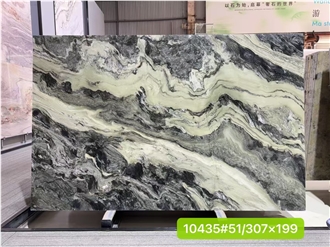
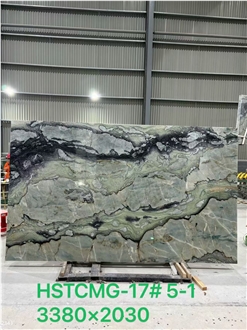
Emerald Valley Orchid Marble (Chinese name: 翠谷幽兰) is an elegant decorative stone known for its artistic color composition and flowing natural patterns. It is quarried in Brazil and characterized by a harmonious blend of green tones and soft beige-white areas, producing a landscape-like visual effect reminiscent of a tranquil valley with delicate orchids hidden among foliage. The surface displays a rich palette of emerald, moss, and jade-like greens intersected by creamy beige or milky white zones. These contrasting colors form irregular veins, patches, and swirling bands that move organically across the slab, giving the stone a painterly appearance similar to natural scenery. Such dramatic yet refined coloration is typical of decorative Brazilian stones with strong mineral variation and dynamic veining.

Texture and Pattern

The stone generally has a medium-crystalline structure typical of decorative marbles or marble-like stones. The texture appears compact yet slightly heterogeneous due to the intergrowth of minerals forming veins and cloudy zones. The pattern ranges from branching veins to flowing, cloud-like formations, creating a layered visual depth. Green areas often appear in elongated streaks or irregular patches, while beige-white segments provide contrast and highlight the stone’s natural movement. When polished, the crystalline structure produces a subtle reflective quality that enhances color saturation and visual depth.

Typical Physical Test Results

Actual laboratory values depend on the quarry block and testing method.

  • Density: 2.68–2.73 g/cm³
  • Water absorption: 0.2–0.36 % by weight
  • Compressive strength: 110–120 MPa
  • Flexural strength: 10–13 MPa
  • Abrasion resistancemoderate to good

Hardness

On the Mohs hardness scale, Emerald Valley Orchid Marble typically measures 3–4, reflecting the calcite-based composition common in marble.

Chemical Composition (typical % by weight)

  • Calcium carbonate (CaCO₃): 85–95 %
  • Magnesium carbonate: 1–5 %
  • Silica (SiO₂): 1–4 %
  • Iron oxide & trace minerals: 0.5–2 %

Mineral Composition (approx. % by weight)

  • Calcite: 80–90 %
  • Dolomite: 3–8 %
  • Quartz: 1–4 %
  • Serpentine / chlorite (green minerals): 1–5 %
  • Other accessory minerals: <1 %

Applications

Because of its striking color pattern, Emerald Valley Orchid Marble is widely used for decorative architectural applications such as:

  • Interior wall cladding
  • Luxury flooring and staircases
  • Kitchen countertops and islands
  • Bathroom vanity tops
  • Feature walls and fireplace surrounds
  • Hotel lobbies and commercial interiors
  • Decorative panels and book-matched slabs

Maintenance

Like most marbles, the stone benefits from proper care:

Seal periodically to reduce staining. Clean using pH-neutral stone cleaners rather than acidic chemicals. Wipe spills quickly to prevent etching or discoloration. Avoid abrasive cleaning pads that may dull polished surfaces.

FAQ

Does water permanently stain Emerald Valley Orchid Marble countertop?

Emerald Valley Orchid Marble is a natural stone, and like many natural stones, it is porous to some extent. This means that if water or other liquids are left on the surface for extended periods, they can potentially penetrate the stone and cause staining or discoloration. However, water is less likely to cause permanent staining compared to other substances like wine, oil, or acidic juices. To prevent any potential water stains on your Emerald Valley Orchid Marble countertop: 1. **Seal the Surface:** Ensure that the marble is properly sealed. Sealants help reduce the porosity of the stone, making it more resistant to staining. 2. **Wipe Spills Promptly:** Clean up spills immediately to prevent water from penetrating the surface. 3. **Use Coasters and Trivets:** Protect the surface from glasses, pots, and pans to minimize the risk of water rings or heat marks. 4. **Regular Maintenance:** Regularly clean the countertop with a pH-neutral cleaner designed for stone surfaces to maintain its appearance. If water does stain the marble, it’s usually temporary and may evaporate over time. However, if the water-stained area doesn’t return to normal after drying, you may need to consult with a stone care professional.

Is 18 mm thick Emerald Valley Orchid Marble good for kitchen countertops?

When considering Emerald Valley Orchid Marble, or any marble, for kitchen countertops, there are several factors to consider: 1. **Durability**: Marble is softer and more porous than granite or quartz, making it susceptible to scratching, chipping, and staining. An 18 mm thick slab is somewhat thinner than the more common 20 mm or 30 mm options, which could impact its durability, especially if the countertop will endure a lot of use. 2. **Maintenance**: Marble requires regular sealing to protect it from stains and moisture. In a high-use area like a kitchen, this maintenance can be critical to avoid damage from spills or acidic substances (like lemon juice or vinegar). 3. **Aesthetics**: If the unique look of Emerald Valley Orchid Marble is critical to your design vision, it can be a beautiful choice. Marble’s natural veining and patterns can create a luxurious and elegant appearance. 4. **Cost**: Marble, particularly specialized types like Emerald Valley Orchid, can be expensive. This includes not just material but also installation and maintenance costs over time. 5. **Practicality**: Consider how you use your kitchen. If your kitchen gets heavy use or you tend to be less diligent with upkeep, a more durable material might be better. 6. **Reinforcement**: Given the thinner slab of 18 mm, ensure that your cabinets or counter base can provide sufficient support, or consider additional reinforcement to prevent flexing or breakage. Ultimately, whether Emerald Valley Orchid Marble is suitable for your kitchen countertops depends on your personal priorities for aesthetics, maintenance, and durability. For a less maintenance-intensive option that still captures the look of marble, you might consider marble-look quartz or other engineered surfaces.

Can Emerald Valley Orchid Marble tiles be used for high - traffic internal commercial flooring?

Emerald Valley Orchid Marble tiles can be used for high-traffic internal commercial flooring, but with some considerations. Marble is a natural stone that is known for its beauty and elegance, but it is softer and more porous compared to other stone options like granite. Here are some points to consider: 1. **Durability**: While marble is a durable material, it can be prone to scratching, chipping, and staining, especially in high-traffic areas. Its important to assess whether the specific area can accommodate marble tile or if a more durable material might be more appropriate. 2. **Finish**: Choosing the right finish can enhance the durability of marble in commercial settings. A honed or matte finish may be preferable to a polished finish, as it can show scratches and wear less visibly. 3. **Sealing**: Marble should be properly sealed to protect against stains and moisture. High-traffic areas will require regular sealing to maintain the stone’s appearance and integrity. 4. **Maintenance**: Marble floors require regular maintenance to keep them looking their best. This includes proper cleaning with pH-neutral cleaners and addressing spills or debris quickly to prevent damage. 5. **Safety**: Polished marble can be slippery, especially when wet. Consider this factor in areas where slipping might be a concern, and possibly use rugs or mats in key areas. 6. **Aesthetics vs. Practicality**: While marble offers a luxurious look, weigh aesthetic goals against practical considerations for commercial use. Depending on the setting and the expected foot traffic, alternative materials like porcelain tiles might offer a similar look with greater durability and less maintenance. Before making a decision, its advisable to consult with a flooring specialist who can assess the specific needs of your commercial space and provide tailored recommendations.

How to remove scratches from Emerald Valley Orchid Marble floor tiles?

Removing scratches from Emerald Valley Orchid Marble floor tiles requires a gentle approach to avoid further damage to the soft stone. Here’s a guide to help you address this: 1. **Assess the Scratches**: - **Light Scratches**: These might be removable with a gentle approach. - **Deep Scratches**: These may require professional restoration. 2. **Materials Needed**: - Soft cloths or microfiber towels - pH-neutral marble cleaner - Polishing powder for marble - Soft bristle brush or pad - Sealant for marble (optional) 3. **Preparation**: - Clean the scratched area with a soft cloth and a pH-neutral cleaner to remove dirt and debris. Avoid acidic or abrasive cleaners as they can damage marble. 4. **Apply Polishing Powder**: - Purchase a marble-specific polishing powder from a hardware or home improvement store. - Dampen the area with water and sprinkle a small amount of polishing powder over the scratch. - Gently rub the powder into the scratch using a soft brush or pad in a circular motion. Do not press too hard. 5. **Buff the Area**: - After working the powder into the scratch, use a clean, damp cloth to wipe away residues. - Buff the area dry with a soft, clean microfiber towel in a circular motion to restore the shine. 6. **Rinse and Dry**: - Rinse the area with clean water to remove any remaining powder or cleaner. - Dry the area thoroughly with a towel to prevent water spots, which can also dull the marble. 7. **Seal the Marble** (Optional): - Although sealing won’t remove scratches, it will protect your marble from future damage. If you choose to seal, ensure the surface is completely clean and dry before applying a marble-specific sealant according to the manufacturer’s instructions. 8. **Professional Help**: - For deep or extensive scratches, you may need the assistance of a professional marble restoration service to polish and restore the marble tiles. **Maintenance Tips**: - Regularly clean marble surfaces with gentle, pH-neutral cleaners. - Avoid dragging heavy or sharp objects across the floor. - Use mats or rugs in high-traffic areas to prevent wear and tear. By following these steps and using appropriate products, you can minimize the appearance of scratches and maintain the beauty of your marble floor tiles.

Are honed finish Emerald Valley Orchid Marble floor tiles easily stained?

Honed finish Emerald Valley Orchid Marble, like other types of marble, is more susceptible to staining compared to some other flooring materials. Marble is a natural stone with a certain level of porosity, meaning it can absorb spills and liquids if not properly sealed and maintained. The honed finish, which is a satin-like, smooth finish without any gloss, can be more vulnerable to showing stains than a polished finish because it lacks the reflective surface that can sometimes help hide minor discolorations. To minimize the risk of staining, its important to seal the marble tiles properly upon installation and reseal them periodically as recommended by the manufacturer or installer. Additionally, promptly cleaning up spills and avoiding acidic or harsh cleaning agents can help protect the marble. Regular maintenance and using mats or rugs in high traffic areas can also help preserve the beauty of your marble flooring.

Is glossy polished Emerald Valley Orchid Marble good for commercial building floors?

Glossy polished Emerald Valley Orchid Marble can be a good choice for commercial building floors, but there are several factors to consider before making a decision: 1. **Aesthetic Appeal**: This type of marble offers a luxurious and sophisticated look, which can enhance the visual appeal of a commercial space. Its unique patterns and colors can create a striking design statement, making it suitable for high-end commercial environments like hotels, boutiques, or office lobbies. 2. **Durability**: Marble is a relatively durable natural stone, but it is softer and more porous than granite or quartz. For areas with high foot traffic, this could lead to wear and scratching over time unless properly maintained. 3. **Maintenance**: Polished marble floors require regular maintenance to keep their glossy finish. This includes sealing to prevent staining and prompt cleaning to prevent scratches and etches from dirt and spills. 4. **Slip Resistance**: Polished marble can be slippery when wet, which is a safety consideration, especially in commercial spaces. To mitigate this, consider using rugs or runners, or treating the surface with a slip-resistant finish. 5. **Cost**: Natural marble can be expensive both in terms of material and installation costs. Its important to factor in these costs along with ongoing maintenance expenses when budgeting for your project. 6. **Environmental Considerations**: Marble is a natural material and choosing it aligns with some sustainability goals, but consider the environmental impact of quarrying and transporting the stone. For commercial applications, evaluating the specific needs of the space, the anticipated foot traffic, and the maintenance capabilities is crucial. If challenges like maintenance and slip resistance are significant concerns, exploring alternative materials that mimic the appearance of marble, such as high-quality porcelain tiles, might be worthwhile.

Products & Prices

Hot Marble

New Marble

Post Your Request

The request includes:
  1. surface finished, size
  2. quantity required