Post Your Needs

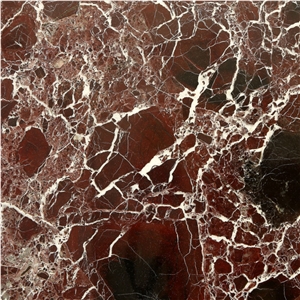
Etruscan Rose Marble

Red - Marble

Italy

About

Item Details

Material Type:
Marble
Origin:
Italy (Suvereto, Provincia di Livorno, Toscana)
Primary Color(s):
Red
Recommended Usage:
kitchen and bathroom countertop, wash basins, building stone, ornamental stone, stairs, interior, exterior wall and floor applications, mosaic, water-jet pattern, wall panels, table tops, balustrades, columns, wall and pool copings, pool paves, sculptures, fireplaces, window sills
Additional Names:
Etruscan Red Marble, Noisette Fleury Marble, Noisette Fleury Grigio Marble, Noisette Marrone Marble, Etruscan Rose
Finished Surface:
Polished,Bush Hammered,Tumbled,Brushed,Honed,Split,Machine Cut,Natural Surface,Sandblasted,Combed,Leathered,Water Jet,Chiseled,Pickling

Testing

Water Absorption:
0.23 By weight %
Density:
2680 kg/m³
Flexural Strength:
12.0 MPa
Compressive Strength:
128.8 MPa
Stone texture:
a rich, deep reddish-brown or warm rose base accented by distinct white and earthy veining

Description

Etruscan Rose Marble, a sought-after natural stone, is quarried in Suvereto, Provincia di Livorno, Toscana, Italy. It is renowned for its rich, deep reddish-brown or warm rose base that is elegantly accented by distinct white and earthy veining. This type of marble is often used for both aesthetic and functional purposes in various architectural and design applications.

Physical and Mechanical Properties:

  • Water Absorption: 0.23% by weight
  • Density: 2680 kg/m³
  • Flexural Strength: 12.0 MPa
  • Compressive Strength: 128.8 MPa
  • Hardness: Although not specified, typical marble has a Mohs hardness of about 3-4.
  • Porosity: Low porosity, contributing to its durability and resistance to weathering.
  • Slip Resistance: Generally low in polished form, but can be improved with textured finishes.

Chemical and Mineral Compositions (% by weight):

  • Calcite: Predominantly high as with most marble – typically around 90-95%.
  • Dolomite: Present in smaller quantities – usually around 5-10%.
  • Other Minerals: Trace amounts of quartz, micas, and iron oxides contributing to its veining and tonal variations.

Usage:

  • Interior Applications: Commonly used in flooring, wall cladding, countertops, and bathroom vanities due to its natural beauty and elegance.
  • Exterior Applications: Suitable for lighter exterior applications such as facades and decorative elements, thanks to its durability.
  • Sculptures: Occasionally used due to its favorable carving properties and rich color.

Maintenance:

  • Sealing: Regular sealing is recommended to protect against stains and enhance its longevity.
  • Cleaning: Use pH-neutral cleaners specific for natural stone to maintain its shine and prevent etching.
  • Polishing: Regular polishing may be necessary to restore the natural glow of the surface.

Common Surface Finish Options:

  • Polished: Offers a high-gloss finish that enhances the stone’s vibrant colors and veining.
  • Honed: Provides a smooth, matte finish for a softer, more subdued appearance.
  • Brushed: Offers a textured surface that adds depth and additional slip resistance.
  • Sandblasted: Provides a rough texture for non-slip applications.

Etruscan Rose Marble stands out due to its rich visual appeal, making it a versatile choice for luxury projects where a balance of aesthetic and durability is preferred. Its use in both traditional and modern designs attests to its timeless beauty and functional attributes.

FAQ

Can Italy's Etruscan Rose Marble be used in a kitchen?

Yes, Italys Etruscan Rose Marble can be used in a kitchen. Marble is a popular choice for kitchen countertops and backsplashes due to its durability and natural beauty. However, it is important to note that marble is a porous stone and can be prone to staining and etching from acidic substances such as lemon juice or vinegar. To protect the marble, it is recommended to seal it regularly and clean up spills promptly. Additionally, using cutting boards and trivets can help prevent scratches and heat damage.

Can Italy's Etruscan Rose Marble be used in wall coverings?

Yes, Italys Etruscan Rose Marble can be used in wall coverings. This type of marble is known for its unique beauty with its pinkish hue and fine veining patterns, making it a popular choice for various applications including wall coverings, flooring, countertops, and more. The luxurious and elegant look of Etruscan Rose Marble can add a touch of sophistication to any space, making it a desirable option for interior design and decoration.

Can Italy's Etruscan Rose Marble be used exterior applications in very windy climates?

While Italys Etruscan Rose Marble is known for its beauty and durability, it may not be the best choice for exterior applications in very windy climates. Marble is a natural stone that can be susceptible to weathering and erosion over time. Wind, rain, and other elemental factors can cause the surface of the marble to deteriorate, leading to discoloration or loss of shine. In extremely windy climates, the abrasive effect of wind-blown particles like sand and dust can exacerbate the erosion process and potentially damage the marbles surface. Additionally, marble is also sensitive to freeze-thaw cycles. In areas where temperature fluctuations are common, water can penetrate the marbles pores, freeze and expand, causing cracks or structural damage. To ensure the longevity of exterior applications in very windy climates, it may be advisable to consider other materials that are more naturally resistant to weathering and the abrasive effects of wind-blown particles. Alternatives such as granite, engineered quartz, or porcelain tiles specifically manufactured for outdoor use may be better suited for such conditions. However, it is always essential to consult with professionals specialized in stonework and consider site-specific factors when making decisions regarding exterior applications.

What is the coefficient of friction of Chiseled Italy's Etruscan Rose Marble tiles?

The coefficient of friction for Chiseled Italys Etruscan Rose Marble tiles may vary depending on the specific finish and surface treatment applied to the tiles. Generally, marble has a low coefficient of friction, which means it can be relatively slippery when wet. To ensure safety and reduce the risk of slips and falls, it is recommended to use appropriate anti-slip treatments or coatings on the marble tiles, or to choose a tile finish with increased slip resistance. For accurate and specific information on the coefficient of friction of Chiseled Italys Etruscan Rose Marble tiles, it is best to contact the manufacturer or supplier directly.

Are there color variations of Italy's Etruscan Rose Marble?

Yes, there can be variations in the color of Italys Etruscan Rose Marble. The base color is typically a pink or rosy hue, but it can range from light to dark shades. Some variations may have more pronounced veining or patterns, while others may have a smoother appearance. Colors can also be influenced by factors such as quarry location and specific blocks of marble. It is always best to visit a supplier or view samples to see the specific color variations available.

Can Italy's Etruscan Rose Marble be used outdoors?

Yes, Italys Etruscan Rose Marble can be used outdoors. However, it is important to note that marble is a natural stone and may be more prone to weathering and fading when exposed to outdoor elements compared to more durable materials such as granite or quartzite. Therefore, proper care and maintenance, such as regular sealing and protection from harsh weather conditions, are necessary to preserve its appearance and longevity when used outdoors.

Is Italy's Etruscan Rose Marble an expensive stone?

Yes, Italys Etruscan Rose Marble is considered an expensive stone due to its rarity, stunning rose color and intricate veining patterns. The cost depends on the quality, size and quantity required for any particular project.

Products & Prices

Hot Red Marble

New Marble

Post Your Request

The request includes:
  1. surface finished, size
  2. quantity required