Post Your Needs

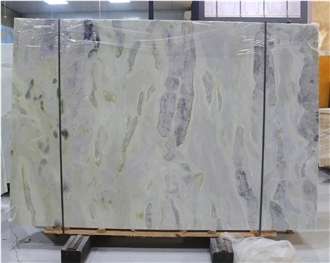
Fendi Blue Marble

Marble

Turkey

About

Item Details

Material Type:
Marble
Origin:
Turkey
Recommended Usage:
Kitchen and bathroom countertops, wash basins, building stone, ornamental stone, stairs, interior, exterior wall and floor applications, mosaic, waterjet pattern, wall panels, table tops, balustrades, columns, wall and pool copings, pool pavers, fireplaces
Additional Names:
Fendi Grey Marble, in China stone market:芬迪蓝(Fēn dí lán), Fendi Blue Marble
Finished Surface:
Polished,Bush Hammered,Tumbled,Brushed,Honed,Split,Machine Cut,Natural Surface,Sandblasted,Combed,Leathered,Water Jet,Filled,Chiseled,Pickling

Testing

Water Absorption:
0.15 - 0.25%
Density:
2700 Kg/m³
Flexural Strength:
12 - 15 MPa
Compressive Strength:
100 - 120 MPa

Description

Fendi Blue Marble, a premium natural marble quarried in Turkey, renowned for its fine to medium crystalline structure and consistent texture. This marble features a light, serene color palette with subtle, elegant veining, making it ideal for refined architectural and interior design projects.

Visual Appearance:

  • Color Palette: Soft blues, light greys, and creamy tones
  • Veining: Delicate, elegant veins that enhance the stone’s sophisticated look
  • Texture: Fine to medium crystalline, uniform and consistent
  • Surface Finish: Polished slabs (as shown in images) provide a smooth, reflective surface that highlights the marble’s natural beauty

Technical Specifications:

  • Density (ASTM C97): ~2.70 g/cm³
  • Water Absorption: ~0.15–0.25%
  • Compressive Strength: ~100–120 MPa
  • Flexural Strength: ~12–15 MPa
  • Hardness (Mohs Scale): ~3–4
  • Abrasion Resistance: Moderate – suitable for light to medium traffic areas

Chemical & Mineral Composition:

Primarily calcite (CaCO₃) with trace minerals

Cutting Sizes:

Standard slabs, tiles, and custom dimensions (cm)

Surface Finish Options:

Polished, honed, leathered, brushed, sanded, sawn cut

Usage & Maintenance:

Fendi Blue Marble is ideal for flooring, wall cladding, countertops, bathroom surfaces, and decorative elements. With proper care, it maintains its timeless elegance and durability for residential and commercial projects alike.

FAQ

Is Fendi Blue Marble durable enough for use as walkway pavers?

Fendi Blue Marble can be used for walkway pavers, but its suitability depends on a few factors. Marble, in general, is considered a softer and more porous stone compared to other materials such as granite or quartzite, which can affect its durability and resistance to weathering and wear. 1. **Durability:** While marble is sturdy, it is susceptible to scratching, chipping, and staining. For high-traffic areas like walkways, these factors might be a consideration, as the surface may wear down over time. 2. **Weather Conditions:** Marble is also more prone to weathering from exposure to the elements. In regions with freeze-thaw cycles, marble pavers can be at risk of cracking, as the stone can absorb water that expands when frozen. 3. **Maintenance:** Marble requires regular maintenance, including sealing, to protect it from stains and damage. It’s important to consider whether you are prepared to perform routine upkeep. 4. **Aesthetics vs. Functionality:** If the aesthetic value of Fendi Blue Marble is a priority and justifies the maintenance, it can certainly enhance the visual appeal of outdoor spaces. However, if practicality and long-term durability are more important, you might want to consider harder stones like granite. 5. **Finish and Texture:** Consider the finish and surface texture of the marble, as polished marble may become slippery when wet, which could be a safety hazard for walkways. Overall, while Fendi Blue Marble can be used for walkway pavers, you should weigh its aesthetic advantages against its practical limitations and ensure proper installation and maintenance. If you live in an area with harsh weather conditions or are concerned about wear and tear, consulting with a stone professional might be beneficial.

Does the surface of Fendi Blue Marble scratch easily?

Fendis Blue Marble, often used in their high-end furniture and decor, is generally a durable material; however, like all marble, it can be prone to scratching if not properly maintained. Marble is a softer stone compared to other natural stones like granite, which makes it susceptible to scratches from sharp objects or abrasive cleaners. To protect the surface, it is advisable to use coasters, avoid placing heavy or rough objects directly on it, and clean it regularly with mild, pH-neutral cleaners. Additionally, sealing the marble can provide an extra layer of protection against scratches and stains.

Can Fendi Blue Marble be used for pool coping?

Fendi Blue Marble can technically be used for pool coping, but there are several factors to consider before doing so. Marble is a natural stone and while it offers a luxurious and elegant appearance, it may not be the most practical choice for pool coping due to the following reasons: 1. **Porosity**: Marble is porous and can absorb water, which could lead to issues with staining or water damage over time. Regular sealing can help mitigate this but requires ongoing maintenance. 2. **Slipperiness**: When wet, marble surfaces can become very slippery, which might pose a safety hazard around a pool area. 3. **Durability**: Pool coping is exposed to water, chemicals, and weather conditions, all of which can affect marble. Marble can be more prone to chipping, cracking, or wearing down compared to more durable materials like granite, limestone, or specially designed pool tiles. 4. **Maintenance**: Marble requires regular maintenance including sealing and careful cleaning to maintain its appearance and structural integrity. 5. **Cost**: Marble is generally more expensive compared to other materials, both in initial cost and maintenance over time. If you still decide to use Fendi Blue Marble for pool coping, you should ensure that it is properly sealed and maintain it regularly. You might also consider using it in combination with other materials that provide better slip resistance and durability in high-traffic areas. Consulting with a professional who has experience with pool installations would be a wise step to make sure youre fully informed about your material choice.

Can Fendi Blue Marble be used as a kitchen countertop?

Fendi Blue Marble can technically be used as a kitchen countertop, as marble is a common material for countertops due to its natural beauty and elegance. However, there are a few factors to consider before deciding to use this specific marble: 1. **Durability**: Marble is softer and more porous than granite or engineered stone, which makes it more prone to scratching, staining, and etching, especially in a high-traffic area like a kitchen. You’ll need to be diligent about sealing it regularly and cleaning spills promptly. 2. **Maintenance**: Marble countertops require more maintenance than other materials to keep them looking their best. Regular cleaning with gentle, pH-neutral cleaners and periodic resealing is essential. 3. **Cost**: Fendi Blue Marble is likely on the higher end of the price spectrum, given its unique appearance. Ensure that it fits within your budget not just for the initial purchase, but also for maintenance over time. 4. **Aesthetic**: If the look of Fendi Blue Marble complements your kitchen design, it could make an elegant addition. Keep in mind the overall color scheme and style of your kitchen when deciding. 5. **Usage**: Consider how you use your kitchen. If it sees a lot of heavy use or if you’re not diligent with maintenance, you might want to consider a more durable material. In summary, while Fendi Blue Marble can be used as a kitchen countertop, weigh the pros and cons, especially regarding maintenance and durability, before making a decision.

How can I maintain Fendi Blue Marble flooring?

Maintaining Fendi Blue Marble flooring involves several steps to ensure it stays in excellent condition over the years. Here’s what you can do to care for your marble flooring: 1. **Regular Cleaning:** - **Dust and Debris Removal:** Use a soft broom or a dry, microfiber mop to regularly remove dust and small debris that might scratch the marble surface. - **Damp Mopping:** Clean the floor with a soft mop and lukewarm water. You can add a mild, pH-neutral cleaner specifically formulated for marble, if necessary. Avoid using acidic or harsh cleaners, as they can damage the marble surface. 2. **Stain Prevention:** - **Spill Management:** Immediately wipe up any spills, especially acidic substances like wine, juice, or vinegar, to prevent staining. - **Sealant Application:** Apply a penetrating stone sealant regularly to provide extra protection against stains. The frequency of sealing depends on the type of sealant used and the amount of traffic, but generally, it’s recommended every 6-12 months. 3. **Polishing:** - Occasionally, the marble may need polishing to restore its shine. This can be done professionally or with a marble polishing powder and a buffing pad. 4. **Scratch and Chip Prevention:** - Use mats or rugs in high-traffic areas to protect the flooring from scratch-inducing particles. - Install felt pads under furniture legs to avoid scratches when moving items. 5. **Avoid Harsh Chemicals and Tools:** - Do not use vinegar, bleach, or any acidic cleaners as they can etch the marble surface. - Avoid abrasive cleaning tools like scouring pads or brushes with stiff bristles. 6. **Professional Maintenance:** - Consider having your marble floors professionally cleaned and maintained annually to handle any deep cleaning, polishing, or resurfacing needs. By following these maintenance tips, you can keep your Fendi Blue Marble flooring looking beautiful and prolong its lifespan.

Is Fendi Blue Marble a suitable choice for facades in cold winter climates?

Fendi Blue Marble, like other natural stones, can be a suitable choice for facades in cold winter climates, but there are several factors to consider: 1. **Durability**: Natural stones such as marble are generally durable, but their specific characteristics can vary. Its important to evaluate the marbles resistance to freeze-thaw cycles, which are common in cold climates. Some marbles are more porous and may absorb water, leading to potential damage when the water freezes. 2. **Water Resistance**: Ensure that the Fendi Blue Marble is adequately sealed to prevent water infiltration. Proper sealing can help mitigate the risk of cracking or spalling due to freeze-thaw cycles. 3. **Finish**: The finish of the marble can affect its suitability. A polished finish might be slippery when wet, whereas a honed or textured finish could provide better slip resistance, which is beneficial in snowy or icy conditions. 4. **Maintenance**: Natural stone facades require regular maintenance to ensure longevity, including resealing and cleaning to prevent staining and other weather-related damage. 5. **Installation**: Proper installation is crucial to ensure the marble can withstand the stresses of freeze-thaw cycles. Professional installation with appropriate anchoring and jointing techniques is essential. 6. **Environmental Factors**: Consideration should also be given to the specific environmental conditions of the location, including exposure to wind-driven rain, snow, and ice. Consulting with an architect or a stone specialist who has experience with Fendi Blue Marble in cold climates would be a wise step to ensure it meets all necessary requirements for durability and performance.

Products & Prices

View More

Hot Marble

New Marble

Post Your Request

The request includes:
  1. surface finished, size
  2. quantity required