Post Your Needs

Fendi White Marble

Marble

Namibia

About

Item Details

Material Type:
Marble
Origin:
Namibia (Damara, Karibib region)
Recommended Usage:
Kitchen and bathroom countertops, monuments, building stone, ornamental stone, building stone, stairs, interior wall and floor applications, mosaic, waterjet pattern, wall panels, table tops, columns, fireplace surround
Additional Names:
Dover White Marble, Caribbean White Marble, Karibib Fantasy Marble, Namibia White Marble, Oyster White Marble, Etosha White Marble, in China stone market:芬迪白(Fēndí bái), Fendi White Marble
Finished Surface:
Polished,Bush Hammered,Tumbled,Brushed,Honed,Split,Machine Cut,Natural Surface,Sandblasted,Combed,Leathered,Water Jet,Filled,Chiseled,Pickling

Testing

Water Absorption:
0.11% by weight
Density:
2758 kg/m³
Flexural Strength:
16.4 MPa
Compressive Strength:
156 MPa

Description

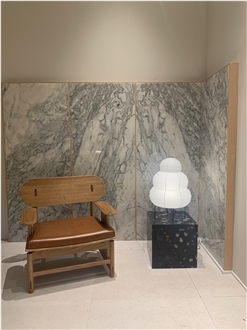
Fendi White Marble is a refined, exclusive natural stone known for its poetic visual expression. This Namibian marble features a soft ivory white background interwoven with deep, mist-like grey veining, creating a gentle yet compelling contrast. The marble captures a harmonious balance between light and shadow, delivering an expressive, timeless aesthetic ideal for luxurious interior and architectural applications. The natural interplay of warm and cool tones makes Fendi White Marble exceptionally versatile, adapting to modern, minimalistic, and even classical design environments.

Color, Texture & Pattern:

  • Base Color: Ivory white
  • Veining: Subtle, mist-like, darker grey features
  • Pattern Style: Flowing and poetic, with soft gradients rather than stark contrast
  • Texture: Fine-grained and compact, smooth when polished
  • Visual Appeal: Evocative, with an artistic sense of movement; both warm and cool undertones

Physical & Mechanical Properties:

  • Density : 2758 kg/m³
  • Water Absorption : 0.11% by weight
  • Compressive Strength : 156 MPa
  • Flexural Strength : 16.4 MPa
  • Porosity : Low
  • Hardness (Mohs scale) : Approx. 3–4
  • Slip Resistance : Depends on finish:- Honed: R9–R10- Bush-hammered/sandblasted: R11–R12

Chemical & Mineral Composition (% by weight):

  • Calcite (CaCO3) : 93–95%
  • Quartz (SiO2) : 1–2%
  • Mica & Feldspar : <1%
  • Others (Oxides & Traces) : ~1–2%

Note: Exact mineralogical values may vary slightly based on quarry section.

Recommended Usage:

Interior Applications:

  • Flooring
  • Wall cladding
  • Bathroom vanities
  • Countertops
  • Fireplace surrounds

Exterior Applications:

Suitable if protected or finished appropriately (e.g., honed, brushed, leathered)

Architectural & Decorative Uses: Columns, staircases, feature walls, sculptures

Maintenance:

  • Care: Use pH-neutral cleaners, avoid acids
  • Sealing: Recommended for high-traffic or wet areas
  • Cleaning: Damp microfiber cloth for daily care; reseal every 1–2 years depending on usage

Available Cutting Sizes (cm):

Slabs:

  • Standard: 240 x 120 cm
  • Jumbo: up to 300 x 180 cm

Tiles:

  • 30 x 30, 60 x 30, 60 x 60, 60 x 120 cm
  • Custom cut-to-size available

Surface Finish Options:

  • Polished: High gloss, luxurious, enhances veining contrast
  • Honed: Smooth matte, subtle elegance
  • Brushed: Aged texture with soft grain feel
  • Leathered: Textured satin look, adds depth
  • Sandblasted: Textured, ideal for anti-slip needs
  • Bush-hammered: Rugged and slip-resistant for exterior or feature use

FAQ

Can Fendi White Marble be used for stairs?

Yes, Fendi White Marble can be used for stairs. Marble is a durable and versatile material that is often used for stairs in both residential and commercial settings. It can create a luxurious and elegant look for your staircase. However, it is important to consider the wear and tear that stairs receive and ensure that the marble is properly sealed and maintained to prevent damage and ensure longevity.

How to repair the cracked Fendi White Marble kitchen countertop edge?

Repairing a cracked Fendi White Marble kitchen countertop edge can be a delicate process, but with the right tools and techniques, it can be done effectively. Here are some steps you can follow to repair the cracked edge: 1. Clean the area: Start by thoroughly cleaning the cracked area with a mild soap and water. Make sure to remove any dirt, grime, or debris from the crack. 2. Dry the area: Allow the countertop edge to completely dry before proceeding with the repair. This will ensure that the adhesive used in the repair process adheres properly. 3. Fill the crack: Using a high-quality marble repair adhesive, carefully fill the crack in the countertop edge. Make sure to follow the manufacturers instructions for the specific adhesive you are using. 4. Smooth the surface: After filling the crack, use a putty knife or a similar tool to smooth out the surface of the countertop edge. This will help to blend the repair in with the rest of the marble surface. 5. Polish the countertop: Once the repair has dried and cured according to the adhesive instructions, use a marble polish to buff the countertop edge to a smooth and shiny finish. 6. Seal the edge: To protect the repaired area and prevent future cracking, consider applying a marble sealant to the countertop edge. This will help to keep the marble looking great and prevent further damage. By following these steps and taking the time to carefully repair the cracked Fendi White Marble kitchen countertop edge, you can restore the beauty and functionality of your countertop and enjoy it for years to come. If you are unsure about how to repair the crack yourself, consider seeking professional help from a marble restoration expert.

Is Fendi White Marble easy to scratch?

Marble in general is a relatively soft and porous material, which means it is prone to scratching and etching. Fendi White Marble is no exception, and while it is a beautiful and elegant choice for countertops, floors, and other surfaces, it can be easily scratched if not properly cared for. It is important to use cutting boards, trivets, and coasters to protect the surface from scratches and other damage. Additionally, regular cleaning and maintenance can help to preserve the beauty of Fendi White Marble and prevent scratching over time.

Can I use Fendi White Marble for a kitchen countertop?

It is not recommended to use marble, including Fendi White Marble, for kitchen countertops as it is a softer and more porous stone compared to other options such as granite or quartz. Marble is susceptible to staining, scratching, and etching from acidic foods and liquids commonly used in the kitchen. Additionally, it requires regular sealing and maintenance to prevent damage. If you still wish to use marble for your kitchen countertop, be prepared for the high maintenance it requires and take extra precautions to protect the surface from spills and scratches. It is important to regularly seal the marble to prevent staining and etching.

How to clean Fendi White Marble kitchen countertops?

To clean Fendi White Marble kitchen countertops, follow these steps: 1. Start by wiping down the countertops with a damp cloth to remove any surface dirt or debris. 2. Mix a solution of warm water and mild dish soap in a spray bottle. Spray the solution onto the countertops and let it sit for a few minutes to loosen any stains or grime. 3. Use a soft sponge or cloth to gently scrub the countertops, focusing on any areas that may be stained or dirty. Avoid using abrasive scrubbers or cleaners, as they can scratch the marble surface. 4. Rinse the countertops thoroughly with clean water to remove any soap residue. 5. Dry the countertops with a clean towel to prevent water spots or streaks from forming. 6. For tougher stains or grime, you can use a specialized marble cleaner or a mixture of baking soda and water to create a paste. Apply the paste to the stained area, let it sit for a few minutes, and then gently scrub with a soft brush or sponge. 7. Rinse the countertops thoroughly and dry them with a clean towel. 8. To protect the marble and prevent stains, it is recommended to seal the countertops every 6-12 months. Follow the manufacturers instructions for the specific sealing product you choose. By following these steps and maintaining regular cleaning and sealing, you can keep your Fendi White Marble kitchen countertops looking beautiful for years to come.

Does bleach damage Fendi White Marble countertop?

Bleach is a strong and potentially damaging chemical that can dull or etch the surface of marble countertops, including Fendi White Marble. It is not recommended to use bleach on marble countertops as it can cause discoloration, staining, or even scratches. It is important to always use gentle, pH-neutral cleaners specifically designed for marble surfaces to avoid damaging the countertop.

How to clean tumbled finish Fendi White Marble tiles?

To clean tumbled finish Fendi White Marble tiles, follow these steps: 1. Start by sweeping or vacuuming the tiles to remove any loose dirt and debris. 2. Mix a mild detergent or stone soap with warm water in a bucket. 3. Dip a soft sponge or cloth into the soapy water and gently scrub the tiles in a circular motion. 4. For stubborn stains, you can use a pH-neutral stone cleaner or a mixture of baking soda and water to create a paste. Apply the paste to the stain, let it sit for a few minutes, then scrub with a soft brush or sponge. 5. Rinse the tiles thoroughly with clean water to remove any soap residue. 6. Dry the tiles with a clean, soft cloth or towel to prevent water spots. 7. For regular maintenance, you can also use a pH-neutral stone cleaner specifically formulated for marble to keep the tiles looking clean and shiny. 8. Avoid using harsh chemicals, acidic cleaners, or abrasive scrubbers on marble tiles, as they can damage the surface. By following these steps, you can effectively clean and maintain the tumbled finish Fendi White Marble tiles in your home.

How to get scratches out of Fendi White Marble?

1. Start by cleaning the marble surface with a mild soap and water solution to remove any dirt and grime. Use a soft cloth or sponge to gently wipe down the surface. 2. If the scratches are not too deep, you can try using a marble polishing powder or compound to buff out the scratches. Follow the manufacturers instructions for application and use a clean, soft cloth to buff the affected area. 3. For deeper scratches, you may need to use a marble repair kit that includes a filler compound. These kits are specifically designed to repair scratches and other damage to marble surfaces. Follow the instructions provided with the kit to properly fill in the scratches. 4. After repairing the scratches, it is important to seal the marble surface to protect it from future damage. Use a marble sealer to create a protective barrier that will help prevent scratches and other damage from occurring. 5. Regularly clean and maintain your Fendi White Marble surface to prevent scratches and keep it looking its best. Avoid using abrasive cleaners or harsh chemicals that can damage the marble. Instead, use a mild soap and water solution and a soft cloth to clean the surface regularly.

Products & Prices

View More

Hot Marble

New Marble

Post Your Request

The request includes:
  1. surface finished, size
  2. quantity required