Post Your Needs

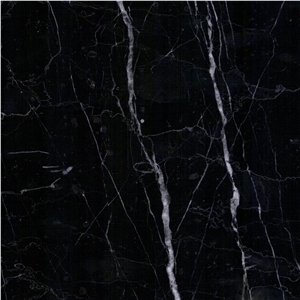
Fumo di Toscana Marble

Marble

Italy

About

Item Details

Material Type:
Marble
Origin:
Italy (MS Carrara)
Recommended Usage:
Kitchen and bathroom countertops, wash basins, building stone, ornamental stone, stairs, interior, exterior wall and floor applications, mosaic, waterjet pattern, wall panels, table tops, balustrades, columns, wall and pool copings, pool pavers, sculptures, fireplaces, window sills
Additional Names:
Fumo Toscana Marble, Calacatta Fumo di Toscana Marble, Calacatta Fumo Marble, Tuscany Cloud Smoke Marble, in China stone market:托斯卡纳云烟(Tuō sī kǎ nà yún yān)
Finished Surface:
Polished,Bush Hammered,Tumbled,Brushed,Honed,Split,Machine Cut,Natural Surface,Sandblasted,Combed,Leathered,Water Jet,Filled,Chiseled,Pickling

Testing

Water Absorption:
0.20–0.35 % by weight
Density:
2650 – 2720 kg/m³
Flexural Strength:
8–12 MPa
Compressive Strength:
70–90 MPa

Description

Fumo di Toscana Marble – Technical & Commercial Description

General Description

  • Name: Fumo di Toscana Marble
  • Quarry Location: MS Carrara, Italy
  • Appearance: Creamy white base with blended golden beige‑brown and smoky grey tones; delicate cloud‑like, soft veining and subtle transitions producing a warm yet dramatic aesthetic.
  • Overall Character: Elegant and refined marble with a soft, clouded pattern rather than bold, high contrast veining.

Physical & Mechanical Properties

  • Texture Grain Size: Fine to medium
  • Feel: Smooth and velvety surface when polished
  • Porosity: Moderate, typical of Carrara marbles
  • Pattern Veining: Cloud‑like, soft, irregular smoky grey and beige cloud veins across a creamy white background
  • Pattern Distribution: Random and natural, each slab unique

Test Results

(Values are representative of typical Carrara marble class; actual lab results may vary by block.)

  • Water Absorption: ~0.20–0.35 % by weight
  • Compressive Strength: ~70–90 MPa
  • Flexural Strength: ~8–12 MPa
  • Density: ~2.65–2.72 g/cm³
  • Modulus of Rupture: ~8–12 MPa
  • Hardness Mohs Hardness: ~3–4
  • Softer than granites and engineered stones
  • Suitable for light to moderate wear applications

Chemical & Mineral Composition

(Approx. % by Weight)

  • Major Minerals Calcite (CaCO₃): ~85–92%
  • Dolomite (CaMg(CO₃)₂): ~3–8%
  • Accessory Minerals Quartz: ~1–4%
  • Mica (Muscovite/Illite): ~1–3%
  • Iron Oxides / Clay Minerals (Veining Pigments): ~1–3%
  • Other Trace Minerals: ~0–2%

Chemical Characteristics

  • Acid Sensitivity: Reacts with acids (etching possible)
  • Alkali Reactivity: Stable under normal use
  • Efflorescence Tendency: Low, if properly sealed

Usage & Applications

Interior

  • Flooring (low to moderate traffic)
  • Wall cladding and feature walls
  • Fireplace surrounds and mantels
  • Bathroom vanities and tub surrounds
  • Elevators / lobbies / reception areas
  • Decorative panels and architectural details

Exterior (limited)

  • Covered facades and accents (not recommended for high weather exposure without protective measures)

Furniture & Custom Elements

  • Tabletops
  • Shelving
  • Reception desks

Art & Sculptural Work

  • Ideal for carved pieces and artistic installations due to fine texture

Maintenance & Care

  • Sealing: Recommended before installation and periodically (every 6–12 months depending on use)
  • Cleaning: Use pH‑neutral stone cleaner. Avoid acidic, alkaline, or abrasive cleaners
  • Stain Prevention: Wipe spills immediately
  • Etch Marks: Can occur from acids (lemon, vinegar, some cleaners) — may require professional polishing to restore shine
  • Regular Care: Dust mop or soft damp cloth; no bleach or harsh detergents

Surface Finish Options

  • Polished: High gloss, enhances color and veining contrast
  • Honed: Matte to low sheen, softer visual effect, improves slip resistance
  • Leathered / Satin: Soft textured sheen, hides fingerprints and light wear
  • Brushed: Slightly textured, subtle aged appearance

FAQ

Can I use bleach when cleaning a Fumo di Toscana Marble kitchen countertop?

Using bleach on Fumo di Toscana marble, or any marble surface, is not recommended. Marble is a natural stone that is sensitive to acidic and alkaline substances, including bleach. These chemicals can cause etching, dulling the surface finish, and may lead to discoloration or damage to the stone. For cleaning marble countertops, it is best to use a pH-neutral cleaner specifically designed for stone surfaces or a mild dish soap mixed with warm water. Always use a soft cloth or sponge to clean the surface and avoid abrasive materials that could scratch the marble. After cleaning, its a good idea to rinse the surface with clean water and dry it with a soft towel to prevent water spots. Regular sealing of the marble can also help protect it from stains and spills.

If I cut meat directly on my Fumo di Toscana Marble kitchen countertop, will it damage the surface?

Cutting meat directly on your Fumo di Toscana Marble countertop is not recommended. Marble is a relatively soft and porous stone, making it susceptible to scratches, stains, and etching from acidic substances. Using a knife directly on the surface can cause visible scratches and potentially damage the finish over time. Additionally, any juices from the meat could seep into the pores of the marble and cause staining. To protect your countertop, its best to use a cutting board. This will prevent scratches and keep the surface looking its best while also providing a more sanitary and easier-to-clean surface for food preparation.

Does Fumo di Toscana Marble mosaic need to be sealed?

Yes, Fumo di Toscana Marble mosaic should be sealed. Sealing marble mosaics is an important step to protect the stone from stains, etching, and moisture absorption. Marble, being a natural stone, is porous, which makes it susceptible to staining and damage if not properly sealed. Applying a quality impregnating sealer will help to maintain the marble’s appearance and durability. Its generally recommended to reapply the sealer every 6 to 12 months, depending on the level of use and exposure to elements. Always follow the manufacturers instructions for both the marble and the sealer for best results.

How can I clean Fumo di Toscana Marble mosaic tiles?

Cleaning Fumo di Toscana marble mosaic tiles requires a delicate approach to maintain their natural beauty and integrity. Here’s how you can do it: 1. **Regular Dusting and Sweeping:** - Use a soft, dry cloth or a microfiber towel to dust the surface regularly. This helps remove loose dirt and particles that could scratch the marble. - Sweep the floor with a soft-bristle broom to remove debris. 2. **Gentle Cleaning Solution:** - Mix a solution of warm water and a few drops of a pH-neutral, non-abrasive cleanser or a mild dish soap. Avoid acidic or alkaline cleaners, such as vinegar or ammonia, as they can etch or dull the marble surface. 3. **Cleaning Procedure:** - Dampen a soft cloth or sponge in the cleaning solution and gently wipe the marble tile. Avoid using abrasive scrubbers which can cause scratches. - For a more thorough clean, use a soft mop for larger surfaces. 4. **Rinse Thoroughly:** - After cleaning, rinse the surface with clean water to remove any soap residue. This can be done with a damp cloth or mop. 5. **Dry Immediately:** - Use a soft, dry towel to wipe down the surface. Marble is porous and can absorb water, leading to stains or damage over time. Drying promptly prevents this. 6. **Stain Removal:** - For stubborn stains, create a poultice using baking soda and water or a commercially available marble stain remover. Apply it to the stain, cover with plastic wrap, and let it sit for 24-48 hours before rinsing and drying. 7. **Sealing:** - Marble is porous, so consider sealing your Fumo di Toscana marble tiles periodically to protect them from stains and moisture. Follow the manufacturers recommendations for the frequency of sealing. 8. **Avoid Harsh Chemicals and Abrasives:** - Do not use bleach, vinegar, lemon juice, or abrasive cleaners as they can damage the marble. Stick to neutral pH cleaners specifically designed for use on marble. By following these steps, you can help maintain the elegance and durability of your Fumo di Toscana marble mosaic tiles.

Can 15 mm thick Fumo di Toscana Marble be used for kitchen countertop?

Fumo di Toscana Marble can be used for kitchen countertops, but there are some considerations to keep in mind. The 15 mm thickness is relatively thin for a countertop, as standard countertop thicknesses typically range from 20 mm (approximately 3/4 inch) to 30 mm (approximately 1 1/4 inches). This thinner marble may require additional support or reinforcement to prevent cracking or damage. Additionally, while marble is aesthetically pleasing and adds elegance to a kitchen, it is softer and more porous than materials like granite or quartz. This means it is more susceptible to scratching, staining, and etching from acidic substances like lemon juice or vinegar, and it will need regular sealing and maintenance. If you choose to use 15 mm Fumo di Toscana Marble for a kitchen countertop, consider the following steps: 1. **Reinforcement**: Ensure that the substrate or backing provides adequate support to prevent flexing and potential breakage of the marble. 2. **Sealant**: Regularly apply a high-quality sealant to help protect against stains. 3. **Maintenance**: Be prepared for ongoing maintenance to preserve the appearance of the marble, and clean up spills quickly to minimize damage. 4. **Edging**: Consider installing a built-up edge profile to give the appearance of a thicker countertop and improve strength along the edges. If youre working with a contractor or designer, discuss these factors with them to ensure the installation is suitable for your needs and aesthetic preferences.

How can I repair the scratched surface of the Fumo di Toscana Marble steps?

Repairing the scratched surface of Fumo di Toscana marble, or any type of marble, can be delicate. Here’s a step-by-step guide on how to restore the surface: 1. **Clean the Surface**: - Begin by cleaning the marble steps thoroughly. Use a pH-neutral cleaner or a mixture of warm water and gentle dish soap. Avoid acidic cleaners as they can damage the marble. - Wipe the surface with a soft cloth or sponge, then remove the cleaner with a damp cloth. - Dry the area completely using a soft, lint-free cloth. 2. **Assess the Damage**: - Examine the scratches to determine their depth. Light scratches are generally easier to repair compared to deeper ones. 3. **Remove Surface Scratches**: - For light scratches, use a fine-grade marble polishing powder. Follow the manufacturer’s instructions and gently buff the scratched area with a soft cloth or buffing pad. - Another option for light scratches is a marble polishing cream, which can be applied in small amounts to buff the surface. 4. **Sanding for Deeper Scratches**: - For deeper scratches, you may need to sand the area. Use wet/dry sandpaper with a very fine grit (start with 1000 grit and work up to 3000 grit). - Keep the area moist as you sand in a circular motion. - Gradually increase to finer grits for a smoother finish. 5. **Polishing**: - Once the scratches are reduced or removed, polish the marble using a marble polishing compound. - Apply the compound with a soft cloth or a buffing pad. Buff the area in a circular motion until a polished finish is restored. 6. **Sealing**: - After polishing, it is recommended to seal the marble to protect it from future scratches and stains. - Use a high-quality marble sealer and follow the instructions carefully. 7. **Professional Help**: - If the scratches are too deep or your attempts to repair them are unsuccessful, you might need to hire a professional stone restorer. 8. **Prevention**: - To avoid future scratches, regularly clean and maintain the marble surface. - Consider using rugs or mats in high-traffic areas to protect the marble. Always test any product or method in a small, inconspicuous area first to ensure it doesn’t cause further damage.

Products & Prices

Hot Marble

New Marble

Post Your Request

The request includes:
  1. surface finished, size
  2. quantity required