Post Your Needs

Gangral Blue Marble

Marble

India

About

Item Details

Material Type:
Marble
Origin:
India
Recommended Usage:
kitchen and bathroom countertops, wash basins, building stone, ornamental stone, stairs, interior, exterior wall and floor applications, mosaic, waterjet pattern, wall panels, table tops, balustrades, columns, wall and pool copings, pool pavers, sculptures, fireplaces, window sills
Additional Names:
Gangral Grey Marble, Gangral Gray Marble, Gangral Silver Marble
Finished Surface:
Polished,Bush Hammered,Tumbled,Brushed,Honed,Split,Machine Cut,Natural Surface,Sandblasted,Acid Washing,Combed,Leathered,Water Jet,Filled,Chiseled,Pickling

Testing

Water Absorption:
0.25–0.36% by weight
Density:
2650–2720 kg/m³
Flexural Strength:
13–15 MPa
Compressive Strength:
110–140 MPa

Description

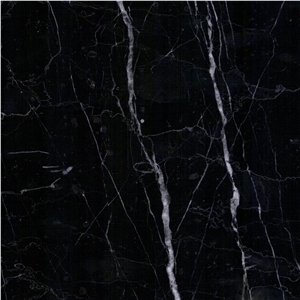
Gangral Blue Marble is an Indian natural stone featuring a deep, moody gray-blue base tone with strong visual contrast created by striking orange-gold and white veining that runs across the surface in bold, irregular, and dynamic patterns. The overall appearance is dramatic and expressive, with high variation between slabs, giving each piece a unique artistic character suitable for statement interior applications.

In terms of texture and structure, it is a fine- to medium-grained metamorphic marble composed mainly of calcite with silicate and iron-bearing mineral inclusions that contribute to its blue-grey coloration and warm veining accents. The stone has a compact crystalline structure with moderate porosity typical of Indian marbles, allowing it to take a good polish while maintaining depth and color contrast.

Typical technical properties:

  • Water absorption: 0.25–0.36 % by weight
  • Bulk density: 2.65–2.72 g/cm³
  • Compressive strength: 110–140 MPa
  • Flexural strength: 13–15 MPa
  • Abrasion resistance: moderate
  • Hardness: Mohs 3–4

Mineral composition (approximate by weight):

  • Calcite (CaCO₃): 85–92%
  • Quartz: 3–7%
  • Feldspar: 1–4%
  • Iron oxides & accessory minerals (hematite, limonite, etc.): 1–5% (responsible for orange-gold veining) 

Usage: Ideal for luxury interior applications such as feature walls, countertops, reception areas, decorative flooring, bathroom cladding, and artistic stone installations where strong visual impact is desired. Not typically recommended for heavy exterior use in harsh freeze-thaw environments due to its marble nature.

Maintenance: Requires periodic sealing to reduce staining risk, especially due to its lighter mineral zones. Clean with pH-neutral stone cleaners; avoid acidic or abrasive chemicals to prevent etching. Regular resealing recommended in high-use areas.

Surface finish options: Polished (most common, enhances color contrast and veining), honed (matte, softer appearance), leathered (textured, natural tactile finish), and brushed finishes for more rustic architectural applications.

FAQ

Gangral Blue Marble has its own natural veins. If I use it as stair steps, will it break along these veins?

Gangral Blue Marble, like other natural stones, has inherent veins and patterns that are part of its unique appearance. These veins are a result of the natural formation process and can vary in density and structure. While the veins add to the aesthetic appeal, they can sometimes represent areas of relative weakness within the stone. When using Gangral Blue Marble or any veined marble for stair steps, it is important to consider the following: 1. **Quality of the Stone:** Ensure that the marble slab is of high quality, with minimal internal flaws. Reputable suppliers typically offer marble that has been carefully selected to minimize risk of breakage. 2. **Thickness and Structural Support:** Thicker slabs of marble or those that are reinforced are less likely to break. Proper installation with suitable structural support is crucial in preventing cracking or breaking. 3. **Installation Method:** Professional installation is key. Skilled installers will be able to account for the natural veining and ensure that the marble is oriented and supported properly to reduce the risk of breakage. 4. **Use and Maintenance:** Consider whether the stairway will experience heavy foot traffic or bear heavy loads, as constant pressure over time could potentially lead to cracks along natural weak points. 5. **Reinforcement Options:** In some cases, additional reinforcement like backing materials or surface treatments can be used to enhance the durability of marble steps. While theres always a potential risk of natural marble breaking along veins, proper selection, installation, and maintenance significantly reduce this risk. If youre concerned about the durability of marble, consulting with a professional stone supplier or an experienced contractor would be beneficial to address specific concerns and explore reinforcement options.

Can Gangral Blue Marble be used for pool coping?

Gangral Blue Marble can technically be used for pool coping, but there are several factors you should consider before deciding to use it: 1. **Slip Resistance**: Marble, including varieties like Gangral Blue, can become quite slippery when wet. For pool coping, its important to ensure that the surface is adequately slip-resistant to prevent accidents. 2. **Durability**: Marble is generally durable, but exposure to pool chemicals, especially chlorinated water, can cause wear or discoloration over time. Consider how the stone will hold up to constant water exposure and chemical treatments. 3. **Maintenance**: Marble requires more maintenance compared to some other materials. It may need sealing and regular cleaning to maintain its appearance and prevent staining or etching. 4. **Aesthetic**: If you are looking for a specific look, Gangral Blue Marble offers a unique and attractive appearance that might complement your pool area. 5. **Cost**: Natural stone like marble can be more expensive than some other coping materials. Evaluate your budget to see if it fits within your cost constraints. 6. **Local Climate**: Consider the climate and how it may affect the stone. Marble can be sensitive to thermal shock, so in areas with extreme temperature changes, it might be prone to cracking or other damage. If you decide to use Gangral Blue Marble for pool coping, it might be wise to consult with a professional to ensure it is properly installed to minimize risks and maximize longevity.

Is Gangral Blue Marble suitable for sculpture, and is it durable outdoors?

Gangral Blue Marble is known for its beautiful deep blue and grey veining, which can make it an attractive choice for certain artistic and architectural applications, including sculpture. However, when considering it for sculpture or any outdoor use, several factors should be taken into account: 1. **Durability**: Marble, in general, is not as durable as some other natural stones like granite. It is relatively softer and more porous, making it susceptible to weathering over time, especially when exposed to outdoor elements. This means that Gangral Blue Marble may face issues such as erosion, staining, or discoloration when used outdoors. 2. **Maintenance**: If used outdoors, this type of marble will require regular maintenance to preserve its appearance. Sealing the marble and performing periodic cleaning can help protect it from the elements. 3. **Climatic Conditions**: The suitability of Gangral Blue Marble for outdoor use also depends on the climate. In areas with harsh winters, freeze-thaw cycles can cause damage to the marble. It is better suited for milder climates. 4. **Aesthetic Consideration**: While it can be used for sculpture, the intricate veining that makes Gangral Blue Marble appealing can sometimes distract from detailed sculptural work, depending on the design. Overall, while Gangral Blue Marble can be used for sculpture, and potentially outdoors, it is important to weigh its aesthetic appeal against its long-term durability and maintenance needs. Consulting with a stone specialist or a sculptor experienced with this type of marble would provide more specific guidance tailored to the particular project.

Does coffee stain the surface of Gangral Blue Marble kitchen countertop?

Gangral Blue Marble is a natural stone, and like most marble, it is porous and can be susceptible to staining from liquids such as coffee. If coffee is spilled on the countertop, it is important to clean it up promptly to reduce the risk of staining. Its also a good idea to seal marble surfaces regularly to provide an additional layer of protection against staining and etching from acidic substances. If a stain does occur, there are marble-specific cleaners and poultices that can help in removing it.

What type of abrasive should be used to sanded the Gangral Blue Marble surface?

When sanding Gangral Blue Marble, or any type of marble, you should use diamond abrasives. Diamond abrasives are suitable for natural stones like marble because they are effective at smoothing and polishing the surface without causing damage. Start with a coarser grit for initial sanding, and gradually move to finer grits to achieve a smooth, polished finish. Always use water as a lubricant to minimize dust and prevent overheating, which can damage the marble.

How can I maintain Gangral Blue Marble kitchen countertop?

Maintaining your Gangral Blue Marble kitchen countertop involves regular cleaning, sealing, and care to preserve its beauty and durability. Here are some tips to help you maintain it: 1. **Regular Cleaning:** - Use a soft, damp cloth or sponge with a mild pH-neutral cleaner or warm water to wipe down the surface regularly. - Avoid using acidic or alkaline cleaning products, as these can damage the marble. - Immediately wipe up any spills, especially those containing acidic substances like lemon juice, vinegar, or tomatoes, which can etch the surface. 2. **Sealing:** - Marble is porous and can benefit from regular sealing to protect against stains and moisture absorption. - Depending on the usage and type of sealant used, sealing should typically be done every 6 to 12 months. - To test if your countertop needs sealing, pour a small amount of water on it. If the water doesnt bead up and gets absorbed quickly, it’s time to reseal. 3. **Avoid Scratches and Heat:** - Use cutting boards when chopping or slicing to avoid scratches. - Avoid placing hot pots or pans directly on the surface; use trivets or heat-resistant pads instead. - Be cautious with heavy or sharp objects that can chip or crack the marble. 4. **Polishing:** - Periodic polishing can help maintain the shine and luster of the marble. - Use a marble-specific polishing product and follow the manufacturers instructions. 5. **Addressing Stains:** - For stains that do occur, use a poultice made specifically for removing stains from marble. - Follow instructions carefully and test on a small area first to ensure it doesn’t affect the color or finish. 6. **Professional Care:** - Consider having your countertops professionally cleaned and polished every few years to restore their original luster and address any significant damage or wear. By following these maintenance tips, you can help extend the life and beauty of your Gangral Blue Marble kitchen countertop.

Products & Prices

Hot Marble

New Marble

Post Your Request

The request includes:
  1. surface finished, size
  2. quantity required