Post Your Needs

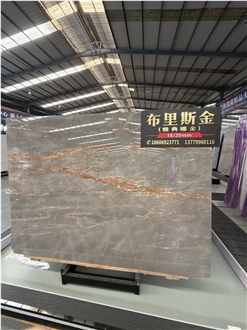
Golden Athena Marble

Marble

Turkey

About

Item Details

Material Type:
Marble
Origin:
Turkey (Yukarı Ovacık Mevkii Gümüldür, Menderes, İzmir)
Recommended Usage:
Kitchen and bathroom countertops, wash basins, building stone, ornamental stone, stairs, interior, exterior wall and floor applications, mosaic, waterjet pattern, wall panels, table tops, balustrades, columns, wall and pool copings, pool pavers, sculptures, fireplaces
Additional Names:
Silver River Marble, El Dorado Marble, Silver Roots Marble, Athena Gold Marble, in China stone market:雅典娜金(yà diǎn nà jīn), Golden Athena Marble
Finished Surface:
Polished,Bush Hammered,Tumbled,Brushed,Honed,Split,Machine Cut,Natural Surface,Sandblasted,Combed,Leathered,Water Jet,Chiseled,Pickling

Testing

Water Absorption:
0.2–0.4 % by weight
Density:
~2700 kg/m³
Flexural Strength:
12–16 MPa
Compressive Strength:
90–110 MPa

Description

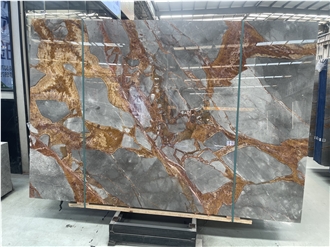
Golden Athena Marble is a luxurious natural stone prized for its timeless elegance and strength. Quarried primarily in Turkey (with some sources also attributing production to Greece), it features a refined white to light grey background adorned with dramatic golden-yellow to bronze veins. These striking veins create a sense of opulence, making each slab a unique piece of art in stone.

Texture & Pattern

  • Base color: White to light grey.
  • Veins: Golden-yellow to bronze, sometimes with hints of honey or amber tones.
  • Pattern: Linear to flowy veining, often bold and irregular, offering both subtle and dramatic aesthetics.
  • Surface feel: Smooth when polished; softly matte when honed.

Technical Properties (Typical Values)

  • Apparent Density (EN 1936): ~2700 kg/m³
  • Water Absorption (EN 13755): 0.2–0.4 %
  • Open Porosity (EN 1936): ~0.3 %
  • Flexural Strength (EN 12372): 12–16 MPa
  • Compressive Strength (EN 1926): 80–120 MPa
  • Abrasion Resistance (EN 14157): 18–22 mm
  • Mohs Hardness: ~3–4 (Values may vary slightly depending on the specific quarry lot.)

Chemical & Mineral Composition (% by weight, typical)

  • CaCO₃ (Calcium Carbonate): 92–96 %
  • SiO₂ (Silica): 2–4 %
  • MgO (Magnesium Oxide): 0.5–1 %
  • Fe₂O₃ (Iron Oxide): 0.2–0.6 % (responsible for golden veining)
  • Other trace minerals: <1 %

Applications & Usage

  • Residential: Countertops, vanity tops, flooring, wall cladding, fireplaces, tabletops.
  • Commercial: Hotel lobbies, reception desks, feature walls, luxury retail spaces.
  • Decorative: Staircases, columns, mosaics, sculptural elements.
  • Design style: Complements both classic luxury and contemporary interiors.

Maintenance

Clean with mild pH-neutral detergents. Avoid harsh acids/alkalis to prevent etching. Apply penetrating sealer every 12–18 months to protect against staining. Wipe spills (wine, citrus, oil) promptly to preserve natural beauty.

Cutting Sizes 

  • Slab Thickness: 2 cm, 3 cm (standard); custom on request.
  • Slab Sizes (typical): 240–320 cm x 120–200 cm.
  • Tile Sizes: 30x30, 60x60, 60x120 cm; custom sizes available.

Surface Finishes:

  • Polished – high gloss, enhances colors & veining.
  • Honed – matte, soft look.
  • Satin/Brushed – textured, adds depth.
  • Sanded, Tumbled, Sandblasted – slip-resistant for outdoor or rustic applications.

FAQ

Is Golden Athena Marble durable enough for use as walkway pavers?

Golden Athena Marble is a beautiful and luxurious stone, but its durability for use as walkway pavers depends on several factors. Marble is a metamorphic rock that is composed mostly of calcite, which makes it more susceptible to scratching, staining, and weathering compared to some other stone options like granite or certain types of sandstone. For outdoor use, especially in high-traffic areas like walkways, there are a few considerations: 1. **Weather Resistance**: Marble can be affected by freeze-thaw cycles in colder climates, leading to cracking or spalling. In warmer, more stable climates, this would be less of a concern. 2. **Slip Resistance**: Polished marble can be quite slippery when wet. If Golden Athena Marble is to be used outdoors, a honed or textured finish would be safer to prevent slipping. 3. **Maintenance**: Marble requires regular sealing to protect against staining and etching from natural elements and foot traffic. This can increase maintenance costs and efforts over time. 4. **Strength**: While marble is generally strong, it is softer and more susceptible to wear and impact compared to harder stones like granite. This might make it less ideal for areas that receive very heavy foot traffic. For full assurance, consulting with a professional stone supplier or contractor about the specific characteristics of Golden Athena Marble and its suitability for use as walkway pavers would be advisable. They could offer insights based on local climate conditions and provide alternatives or specific finishes that might enhance its performance for outdoor use.
Does the surface of Golden Athena Marble scratch easily?

Golden Athena Marble, like many natural stones, has a degree of hardness that makes it reasonably resistant to scratches. On the Mohs scale of mineral hardness, marble typically ranks around 3 to 5, which means it is softer than granite but harder than many everyday items. However, marble is more susceptible to scratching than harder stones like granite or quartz. To minimize the risk of scratching Golden Athena Marble: 1. **Use Cutting Boards**: Always use a cutting board when preparing food to protect the surface. 2. **Avoid Abrasive Cleaners**: Use gentle cleaning products specifically formulated for natural stone to prevent surface damage. 3. **Employ Protective Pads**: Use felt pads under heavy or sharp objects and coasters under glasses or other items. 4. **Seal the Surface**: Regularly sealing the marble can help protect it from scratches and etching by providing a protective barrier. Although it is possible for Golden Athena Marble to be scratched, with careful maintenance and protective measures, its beautiful appearance can be preserved.

Can Golden Athena Marble be used for pool coping?

Golden Athena Marble can technically be used for pool coping, but there are several factors to consider before making this decision. Marble is a natural stone that can be beautiful and luxurious, but it is also porous and can be susceptible to staining and erosion, particularly in an outdoor and wet environment like a pool area. Here are some points to consider: 1. **Durability**: Marble is not as durable as other stones, like granite or specialized pool coping materials, when exposed to constant moisture and chemicals found in pool water. It may require sealing and regular maintenance to protect it from weathering and erosion. 2. **Slip Resistance**: Polished marble can be slippery when wet, which is a significant safety concern around pools. Honed or textured finishes can improve slip resistance, but its important to ensure that the chosen finish is suitable for safety. 3. **Maintenance**: Marble requires regular maintenance, including sealing, to keep its appearance and protect it from chlorine, salt, and other pool chemicals that can cause discoloration or damage over time. 4. **Aesthetic Appeal**: Marble has a beautiful, luxurious appearance that can enhance the overall look of a pool area, making it a popular choice for high-end projects, despite its drawbacks. 5. **Cost**: Marble can be more expensive than other materials, both for initial installation and for ongoing maintenance. If you wish to use Golden Athena Marble for pool coping, its important to consult with a professional who can provide guidance on appropriate finishes, sealing products, and maintenance routines. They can also help assess whether this choice meets safety and durability standards for your specific project.

Can 2cm thick Golden Athena Marble be used as a commercial kitchen countertop?

Using 2cm thick Golden Athena Marble for a commercial kitchen countertop is not recommended for several reasons. 1. **Durability**: Marble is a softer stone compared to other options like granite or quartz. In a commercial kitchen, where heavy pots, pans, and other kitchen equipment are frequently used, marble may be prone to scratches, chips, or cracks. The thinner 2cm slabs may provide even less resistance to damage. 2. **Porosity**: Marble is more porous than other stones, making it susceptible to staining from spills of oils, wines, and acidic substances, which are common in commercial kitchens. It may also absorb moisture, potentially leading to further issues like mold or bacteria growth. 3. **Maintenance**: Marble countertops require regular sealing to protect against staining and etching. In a high-paced commercial environment, maintaining this level of care might be challenging and impractical. 4. **Heat Resistance**: While marble is heat resistant to some extent, placing hot pans or pots directly on the surface can cause damage. In a commercial kitchen where heat exposure is frequent, this could pose a significant problem. If you prefer the aesthetic of marble but need something more durable for a commercial setting, consider alternatives such as quartz, which can mimic the look of marble while offering more resilience to the rigors of a commercial kitchen.

How can I maintain Golden Athena Marble polished flooring?

Maintaining Golden Athena Marble polished flooring requires regular care and attention to preserve its beauty and longevity. Here are some steps to help you maintain it effectively: 1. **Regular Cleaning** - **Dust and Dirt Removal**: Use a soft, dry microfiber mop or a vacuum cleaner with a soft brush attachment to remove dust and dirt regularly. This helps prevent scratches caused by particles. - **Mop Gently**: Use a damp mop with clean water or a pH-neutral stone cleaner. Avoid acidic or abrasive cleaners, as these can damage the marble surface. 2. **Spill Management** - **Immediate Cleanup**: Wipe up spills as soon as they happen to prevent staining. Use a soft cloth or paper towel to blot—don’t rub—the spill. - **Mild Soap Solution**: For stubborn stains, you can use a mix of warm water and a drop of mild dish soap. Rinse thoroughly and dry completely. 3. **Polishing** - **Periodic Polishing**: Periodically polish the floor with a high-quality marble polish. This will enhance the shine and provide a protective layer. - **Professional Polishing**: Consider hiring professionals for polishing every few years, depending on the amount of foot traffic. 4. **Protective Measures** - **Use Door Mats**: Place mats at entrance points to prevent dirt and grit from being tracked onto the marble. - **Felt Pads**: Place felt pads under furniture legs to prevent scratches. - **Seal the Surface**: Ensure your marble floor is sealed properly. This should be done periodically (every 6-12 months) depending on usage. A good sealant will help protect the marble from staining. 5. **Avoid Common Mistakes** - **No Abrasive Tools**: Don’t use abrasive brushes or scouring pads, as these can scratch the marble. - **Chemical Caution**: Avoid using vinegar, lemon, or ammonia-based cleaners as they can etch or dull the surface. 6. **Temperature and Humidity Control** - **Stable Environment**: Keep your home environment stable, as extreme changes in temperature or humidity can affect the marble. By following these maintenance tips, you can keep your Golden Athena Marble flooring looking beautiful for years to come. Regular attention and careful handling can preserve its natural elegance and enhance its durability.

Is Golden Athena Marble a suitable choice for facades in cold winter climates?

Golden Athena Marble can be used for facades in cold winter climates, but there are several factors to consider. Marble, being a natural stone, is porous and can be susceptible to weathering effects such as freeze-thaw cycles, which are common in cold climates. These cycles can cause the stone to crack or spall over time if not properly treated or maintained. Here are some considerations: 1. **Sealant**: Applying a high-quality sealant can help protect the marble from moisture penetration, reducing the risk of freeze-thaw damage. 2. **Installation**: Proper installation by experienced professionals is crucial. This includes appropriate backing, jointing, and anchoring to accommodate potential movement and thermal expansion. 3. **Maintenance**: Regular maintenance, including re-sealing and cleaning, is necessary to preserve the integrity and appearance of the marble. 4. **Quality**: The grade and density of the marble may affect its performance. Higher density marbles tend to be more durable and less susceptible to weathering. 5. **Local Conditions**: Consider local environmental conditions such as exposure to de-icing salts, pollution, and the frequency of freeze-thaw cycles. While Golden Athena Marble can be used in such conditions, it is important to weigh these factors and consult with professionals to ensure the long-term success and aesthetics of the facade.

Products & Prices

Hot Marble

New Marble

Post Your Request

The request includes:
  1. surface finished, size
  2. quantity required