Post Your Needs

Golden Palm Marble

Marble

Iran

About

Item Details

Material Type:
Marble
Origin:
Iran (Markazi Province)
Recommended Usage:
kitchen and bathroom countertops, wash basins, building stone, ornamental stone, stairs, interior, exterior wall and floor applications, mosaic, waterjet pattern, wall panels, table tops, balustrades, columns, wall and pool copings, pool pavers, sculptures, fireplaces, window sills
Additional Names:
Gold Palm Marble, Golden Black Marble, Golden Galaxy Marble, Iran Elegant Gold Marble, Spider Black Marble, Persian Black Gold Marble, Black Empire Marble, Black Marshal Marble, Emperador Gold Marble, in China stone market:金棕榈 (jīn zōng lǘ), Golden Palm Marble
Finished Surface:
Polished,Bush Hammered,Tumbled,Brushed,Honed,Split,Machine Cut,Natural Surface,Sandblasted,Acid Washing,Combed,Leathered,Water Jet,Chiseled,Pickling

Testing

Water Absorption:
0.15 – 0.35 %
Density:
2680 – 2750 kg/m³
Flexural Strength:
12 – 18 MPa
Compressive Strength:
110 – 145 MPa

Description

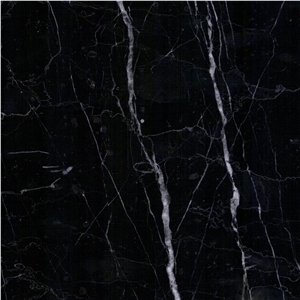
Golden Palm Marble is a luxurious natural stone quarried in Iran, celebrated for its dramatic contrast between a deep black background and striking golden veining. This premium marble displays an elegant network of bold, branching veins that resemble the graceful fronds of a palm tree, inspiring its distinctive name. The rich black base enhances the brilliance of the golden patterns, creating a sophisticated and opulent appearance highly sought after in luxury residential, hospitality, and commercial projects. Its unique visual character combines timeless elegance with contemporary appeal, making Golden Palm Marble an exceptional choice for statement interiors and architectural applications.

Texture & Pattern

Texture

  • Fine to medium-grained crystalline marble.
  • Dense, compact structure with a smooth surface texture.
  • Excellent polish retention with a naturally reflective appearance.
  • Uniform mineral distribution providing consistent visual quality.

Pattern

  • Bold, branching golden veins flowing across a deep black background.
  • Palm-frond-like veining formations with organic movement.
  • Occasional white, ivory, or bronze mineral accents.
  • Strong visual contrast creating dramatic depth and elegance.

Color Range

  • Background: Jet black to deep charcoal black.
  • Veins: Gold, bronze, amber, honey-gold, and occasional ivory highlights.

Visual Character

  • Luxurious and dramatic.
  • Sophisticated and highly decorative.
  • Rich contrast with strong architectural presence.
  • Suitable for contemporary and classic interiors.

Physical & Mechanical Properties

  • Density: 2,680 – 2,750 kg/m³
  • Water Absorption: 0.15 – 0.35 %
  • Apparent Porosity: 0.40 – 0.90 %
  • Compressive Strength: 110 – 145 MPa
  • Flexural Strength: 12 – 18 MPa
  • Abrasion Resistance: 18 – 25 mm
  • Modulus of Rupture: 13 – 20 MPa
  • Frost Resistance: Moderate
  • Mohs Hardness: 3.5 – 4.5

Chemical Composition (% by Weight)

  • Calcium Carbonate (CaCO₃): 92 – 97 %
  • Magnesium Carbonate (MgCO₃): 1 – 4 %
  • Silicon Dioxide (SiO₂): 0.5 – 2.5 %
  • Iron Oxide (Fe₂O₃): 0.2 – 1.0 %
  • Aluminum Oxide (Al₂O₃): 0.1 – 0.8 %
  • Potassium Oxide (K₂O): 0.05 – 0.30 %
  • Sodium Oxide (Na₂O): 0.05 – 0.20 %
  • Trace Minerals: 0.5 – 2.0 %

Mineral Composition (% by Weight)

  • Calcite85 – 95 %
  • Dolomite2 – 8 %
  • Quartz1 – 3 %
  • Pyrite and Iron Minerals0.5 – 2 %
  • Mica0.2 – 1 %
  • Feldspar0.2 – 1 %
  • Accessory Minerals<1 %

Applications

Golden Palm Marble is widely used for:

  • Luxury flooring
  • Interior wall cladding
  • Feature walls
  • Hotel lobbies
  • Reception desks
  • Bathroom vanities
  • Shower surrounds
  • Fireplace surrounds
  • Staircases
  • Kitchen islands
  • Table tops
  • Bar counters
  • Elevator surrounds
  • High-end retail interiors
  • Decorative architectural elements

Maintenance & Care

  • Seal before installation and reseal periodically.
  • Use only pH-neutral stone cleaners.
  • Avoid acidic substances such as vinegar, citrus products, and harsh chemicals.
  • Clean spills immediately to prevent staining.
  • Use protective pads under furniture and decorative objects.
  • Periodically polish to maintain maximum gloss and depth of color.
  • Suitable indoor environmental control helps preserve long-term appearance.

FAQ

The hot pan left a mark on my Golden Palm Marble kitchen countertop—how can I clean it?

When dealing with a heat mark on a Golden Palm Marble countertop, its important to proceed cautiously to avoid causing further damage. Here’s a step-by-step guide to help you clean or minimize the appearance of the mark: 1. **Cool and Clean the Surface:** - Allow the marble to cool completely if it’s still warm. - Use a soft, damp cloth to gently wipe the area with a mixture of mild dish soap and water. Rinse and dry thoroughly. 2. **Make a Baking Soda Poultice:** - Mix a small amount of baking soda with water to form a thick paste (the consistency of peanut butter). - Apply the paste over the heat mark, covering it completely. - Cover the paste with plastic wrap and tape down the edges to keep it moist. - Leave it on for 24 to 48 hours to allow the baking soda to draw out the stain or mark. - Remove the plastic wrap and gently wipe away the dried paste with a damp cloth. 3. **Polishing with Marble Polish:** - Use a marble-specific polish to restore the surface’s natural sheen. - Follow the manufacturers instructions for application, and use a soft cloth to buff it to a shine. 4. **Assess and Repeat if Necessary:** - If the mark is still noticeable, you might need to repeat the poultice process. - For more stubborn marks, or if youre unsure, consulting a professional stone restorer may be necessary. 5. **Prevent Future Marks:** - Always use trivets or hot pads under pots and pans to prevent direct heat contact with the marble. - Consider applying a quality marble sealant if the countertop isn’t already sealed, as it will offer additional protection against stains. By following these steps carefully, you should be able to minimize the appearance of the heat mark. However, if the damage persists, seeking professional help is advisable.

If lemonade spills on a Golden Palm Marble kitchen countertop, will it damage the surface?

Golden Palm Marble, like other types of marble, is susceptible to etching and staining from acidic substances due to its calcium carbonate composition. Lemonade, which contains citric acid, can cause etching, leaving a dull spot on the polished surface. If the lemonade is not cleaned quickly, it can also lead to staining. To protect the countertop, its best to wipe up any spills immediately with a soft cloth and clean the area with a pH-neutral cleaner specifically designed for marble. Regular sealing can also help minimize damage from such spills.

If I cut meat directly on my Golden Palm Marble kitchen countertop, will it damage the surface?

Cutting meat directly on your Golden Palm Marble countertop is not recommended. Marble is a relatively soft and porous natural stone, so using it as a cutting surface can lead to scratches, etching, and staining. The acidity of certain foods, like meat juices, can cause etching or dull spots on the marble. Additionally, cutting directly on marble can dull your knives. Its best to use a cutting board to protect both your countertop and your kitchen tools.

My Golden Palm Marble kitchen countertop edge is broken. How can I glue it back, and will it look like before?

Repairing a broken edge on a Golden Palm Marble kitchen countertop can be a challenging task, but it is possible to achieve a good result with the right materials and techniques. Here’s a step-by-step guide on how to glue it back: ### Materials Needed: - Marble adhesive (epoxy resin is recommended for a strong bond) - Marble filler or color-matched epoxy - Clamps or heavy-duty duct tape - Sandpaper (grits ranging from 200 to 800) - Buffing compound - Clean cloths - Protective gloves and goggles ### Steps to Repair: 1. **Prepare the Area:** - Clean the broken surface thoroughly to remove any dust, grease, or debris. Use a mild detergent and water. Allow it to dry completely. 2. **Dry Fit the Pieces:** - Place the broken piece back onto the countertop to ensure a good fit. This will help you understand how they should align when glued. 3. **Mix the Epoxy:** - Follow the manufacturers instructions to prepare the epoxy resin. For marble, you may want to use a color-matched epoxy to blend it seamlessly with the rest of the countertop. 4. **Apply the Epoxy:** - Apply the mixed epoxy to both the broken edge of the countertop and the broken piece. Make sure to spread it evenly but avoid excessive application that could result in overflowing. 5. **Join the Pieces:** - Carefully press the broken piece back into place. Ensure that its aligned correctly. Wipe away any excess epoxy immediately using a cloth dampened with a suitable solvent as recommended by the epoxys instructions. 6. **Secure the Repair:** - Use clamps or duct tape to secure the piece in place while the epoxy cures. Follow the epoxys instructions for curing time, which can vary. 7. **Sand the Surface:** - Once the epoxy is fully cured, gently sand the excess epoxy using progressively finer grit sandpapers. Start with 200 grit and move up to 800 grit to achieve a smooth surface. 8. **Polish the Marble:** - Use a marble polishing compound and a clean cloth to buff the repaired area until it matches the shine of the rest of the countertop. 9. **Clean Up:** - Wipe the surface clean with a damp cloth and then dry it. ### Considerations: - The repair will be more seamless if the epoxy color matches the marble’s veining and background perfectly. - While this repair can restore functionality, achieving an invisible repair (so it looks exactly as before) is challenging and may depend on the marble pattern and skill level. - If the damage is extensive or if you are not confident in doing this yourself, you may want to consult a professional stone repair specialist. This approach should help repair your marble countertop effectively. However, be realistic about the final appearance, as repairs on natural stone like marble may still be slightly visible under close inspection.

Can scratches on Golden Palm Marble countertop be fixed?

Yes, scratches on a Golden Palm Marble countertop can generally be repaired, although the approach depends on the depth and severity of the scratches. Here are some general steps you can follow: 1. **Clean the Area**: Begin by thoroughly cleaning the countertop with a gentle cleanser and a soft cloth. This ensures that no dirt or debris is present when you start the repair process. 2. **Assess the Severity**: Determine the depth of the scratches. Surface or superficial scratches are often easier to fix than deeper ones, which may require professional attention. 3. **Polishing Powder/Compound**: For minor scratches, use a marble polishing powder. Mix it with some water to form a paste, and then gently buff the scratched area with a soft cloth or a buffer pad in circular motions until the scratches reduce in visibility. 4. **Sanding**: Deeper scratches might need gentle sanding. Use very fine-grit sandpaper (at least 1000 grit or higher) and soak it in water before gently sanding the surface. Be careful not to apply too much pressure to avoid creating additional scratches. 5. **Buff and Polish**: After sanding, use a marble polishing compound to restore the gloss and smooth finish of the marble. Buff it using a clean, soft cloth in circular motions. 6. **Seal the Marble**: If the surface finish of the marble is restored, it’s a good idea to apply a sealant to protect it from further damage. Make sure the countertop is clean and dry before applying the sealant. 7. **Professional Help**: If the scratches are too deep or extensive, it might be best to seek professional assistance. Professionals have specialized tools and expertise to restore marble surfaces effectively. Always test any product or technique on a small, inconspicuous area first to ensure it doesn’t damage the marble. Moreover, since marble is a natural stone, its advisable to use products specifically designed for marble to avoid any adverse reactions. Regular maintenance and care can also help preserve the beauty of marble countertops over time.

Is Golden Palm Marble durable enough for use as outdoor terrace pavers?

Golden Palm Marble, like most marbles, is a natural stone known for its beauty and elegance. However, when it comes to durability for outdoor applications like terrace pavers, there are several factors to consider. 1. **Durability**: Marble is generally softer and more porous than granite or other types of stone, which can make it more susceptible to scratching, chipping, and weathering over time, especially in outdoor environments. It might not withstand heavy foot traffic or exposure to harsh weather as well as some other stones. 2. **Porosity**: Being porous, marble can absorb water, which may lead to staining, or even cracks due to freeze-thaw cycles in colder climates. Sealing the marble can help mitigate this issue to some extent. 3. **Chemical Sensitivity**: Marble is sensitive to acids and chemicals, which can lead to etching and discoloration. This can be a concern in outdoor areas where it might come into contact with rainwater containing pollutants or substances from plants and soil. 4. **Maintenance**: Marble generally requires more maintenance than other stones. Regular sealing and careful cleaning practices are necessary to preserve its appearance and longevity. 5. **Temperature Effects**: In hot climates, marble can become very hot to the touch when exposed to direct sunlight, which might make it uncomfortable for bare feet. While Golden Palm Marble can be used for outdoor terraces, its crucial to weigh its aesthetic appeal against the practical concerns of maintenance and durability. If the decision is leaning towards using this marble, ensure it is properly sealed and maintained, and consider whether the climate and conditions are conducive to its long-term use. For a more durable option, consider stones like granite or certain engineered stones designed for outdoor use.

Products & Prices

Hot Marble

New Marble

Post Your Request

The request includes:
  1. surface finished, size
  2. quantity required