While Philippiness Golden Sea Marble is a durable and versatile natural stone, its suitability for exterior applications in cold climates may depend on several factors.
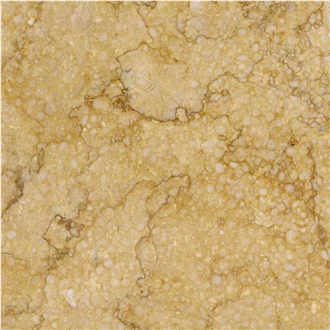
Golden Sea Marble is known for its beautiful golden and beige tones, with unique veining patterns. In terms of durability, marble is generally not as resistant to extreme temperature changes as other natural stones like granite or quartzite. This makes it more prone to damage in freezing conditions.
In cold climates, marble can be susceptible to frost damage and cracking due to the expansion and contraction caused by temperature changes. Moisture can also penetrate the stone and freeze, potentially causing the surface to deteriorate over time.
That being said, if proper precautions are taken, Golden Sea Marble can still be used for exterior applications in cold climates. Some considerations to keep in mind include:
1. Seal the marble: Applying a high-quality, penetrating sealer will help protect the stone from moisture penetration, reducing the risk of frost damage.
2. Surface finish: Opt for a honed or textured finish rather than a polished one. Polished marble can be more slippery when wet and can be more prone to damage in winter conditions.
3. Maintenance: Regular cleaning and maintenance are crucial to keep the marble in good condition. Clearing snow and ice promptly and avoiding harsh chemicals that can cause staining or etching is essential.
4. Installation: Proper installation techniques should be followed to allow for proper drainage and prevent water from pooling on the surface, which can lead to damage.
Despite these precautions, it is important to note that even with proper care, marble may still be more susceptible to cold climate conditions compared to other more resilient stone options. Consulting with a local stone professional or architect can provide further insights and recommendations for your specific location and requirements.


 Philippines

 7YR

 China


 United States


 Brazil


 India
 Egypt


 Australia

 Spain


 Myanmar


 France
