Post Your Needs

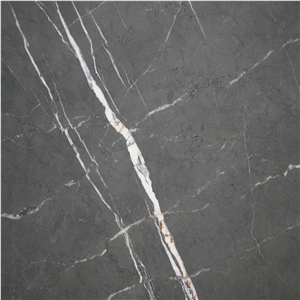
Grafitti Marble

Grey - Marble

Iran

About

Item Details

Material Type:
Marble
Origin:
Iran (Lashotor Zone-20th Km of Shiraz road, Esfahan)
Primary Color(s):
Grey
Recommended Usage:
Kitchen and bathroom countertops, wash basins, building stone, ornamental stone, stairs, interior, exterior wall and floor applications, mosaic, waterjet pattern, wall panels, table tops, balustrades, columns, wall and pool copings, pool pavers, sculptures, fireplaces, window sills
Additional Names:
Grafite Grey Marble, Graphite Gray Marble, Grey Graphite Marble, Persian Grey Marble, Grey Pietra, Pietra Grey Marble, Grey Crystal Marble, Pietra Gray Marble, Pietra Gray Graphite, Pietra Gray Grafite, Graphite Grey Marble, Bulgarian Ash Marble, Bulgarian Grey Marble, in China stone market:保加利亚灰(Bǎojiālìyǎ huī), Grafitti Marble
Finished Surface:
Polished,Bush Hammered,Tumbled,Brushed,Honed,Split,Machine Cut,Natural Surface,Sandblasted,Acid Washing,Combed,Leathered,Water Jet,Filled,Chiseled,Pickling

Testing

Water Absorption:
0.2 - 0.34%
Density:
2700 - 2730 kg/m³
Flexural Strength:
12 - 15 MPa
Compressive Strength:
120 - 130 MPa
Stone texture:
fine to medium white linear veins running across the surface, deep dark grey to greyish-black background

Description

Graffiti Marble is a distinguished type of marble quarried in the Lashotor Zone, situated approximately 20 kilometers from the Shiraz road in Esfahan, Iran. Known for its striking appearance, this marble features fine to medium white linear veins that traverse its deep dark grey to greyish-black background, making it an appealing choice for various architectural and decorative applications. Below is a comprehensive overview of its physical, mechanical, chemical properties, and other relevant information.

Physical and Mechanical Properties

  • Water Absorption: Typically low, indicating high density and resistance to moisture penetration. Value ranges around 0.2% to 0.34%.
  • Density: Approximately 2.7 to 2.73 g/cm³, indicating a relatively high mass per unit volume.
  • Flexural Strength: Usually between 12 to 15 MPa, indicating good resistance to bending and flexing.
  • Compressive Strength: Typically in the range of 120 to 130 MPa, denoting its ability to withstand substantial loads without being crushed.
  • Hardness: Falls around 3 to 4 on the Mohs scale, suggesting moderate scratch resistance.
  • Porosity: Generally low, usually less than 1% which helps in reducing staining risks.
  • Slip Resistance: Varies with finish; polished surfaces tend to be less slip-resistant compared to honed or textured finishes.

Chemical and Mineral Compositions (% by Weight)

  • Calcium Carbonate (CaCO₃): Typically constitutes about 95-98% of the marble.
  • Silica (SiO₂): Usually present in small amounts, around 1-3%.
  • Magnesium (MgCO₃): Also present in minimal quantities, around 0.5-2%.
  • Iron Oxides and other trace elements: Can collectively make up less than 1%.

Usage

  • Interior Applications: Suitable for flooring, wall cladding, countertops, and stairs.
  • Exterior Applications: Can be used in facades, pathways, and entryways, though proper finishes are necessary for protection against elements.
  • Decorative Items: Ideal for sculptures, sinks, and fireplaces due to its aesthetic appeal.

Maintenance

  • Regular cleaning with pH-neutral cleaners is recommended to preserve the marble's finish.
  • Periodic sealing may be necessary to enhance water and stain resistance.
  • Avoid acidic or abrasive cleaners which can etch the surface.

Available Common Surface Finish Options

  • Polished: Offers a shiny, reflective surface enhancing color and veining but can be slippery.
  • Honed: Provides a smooth but matte finish, reducing slip risk.
  • Brushed: Gives a textured feel, often used for slip resistance and a rustic look.
  • Sandblasted: Used mainly for exterior applications or decorative wall features for grip and aesthetic textures.
  • Leathered: Imparts a more rustic and tactile finish, popular for countertops.

Grafitti Marble from Iran’s Lashotor Zone is a versatile and aesthetically pleasing choice for various architectural and design applications owing to its unique visual characteristics and durable properties. Its maintenance is straightforward, and it can be finished in a variety of ways to meet specific project requirements, ensuring both beauty and functionality.

FAQ

What thickness of Grafitti Marble kitchen countertop would be better?

The thickness of a Graffiti Marble kitchen countertop depends on personal preference and the desired aesthetic. However, most standard thickness options for marble countertops range from 2 centimeters (3/4 inch) to 3 centimeters (1 1/4 inch). Thinner countertops (2cm) are more budget-friendly and can provide a sleek and modern look. Thicker countertops (3cm) are more durable and sturdier, making them ideal for heavy usage areas like kitchens. Thicker countertops can also be more visually appealing and add a luxurious feel to the kitchen. Ultimately, the decision should consider factors such as budget, desired appearance, and the level of durability needed for the countertop.

What thickness of Grafitti Marble backsplash tiles would be better?

The thickness of Graffiti Marble backsplash tiles typically ranges from 8mm to 12mm. The choice of thickness depends on personal preference and the desired aesthetic. The 8mm thickness is generally suitable for standard applications and provides a sleek and modern look. It is also more cost-effective and easier to install. On the other hand, the 12mm thickness offers a more substantial and durable feel. It is suitable for areas where the backsplash may be subject to heavy use or potential impact. However, it may be slightly more expensive and require more effort during installation. Ultimately, the choice of thickness depends on factors such as style preference, budget, and the level of durability required.

Is Grafitti Marble bathroom top easily stained?

Graffiti Marble is much more resistant to staining compared to other types of marble. It has a lower porosity, which means it absorbs less liquid, making it less prone to absorbing stains. However, it is important to note that no marble is completely stain-proof. To maintain its resistance to staining, it is recommended to seal the graffiti marble regularly and clean up any spills or stains immediately.

How should I clean Grafitti Marble countertop?

To clean graffiti off a marble countertop, follow these steps: 1. Protect yourself: Wear gloves and protective eyewear to prevent any contact with the cleaning solution. 2. Remove loose debris: Use a soft cloth or a microfiber cloth to wipe away any loose dirt or debris from the countertop surface. 3. Mix a mild cleaning solution: In a cleaning bucket, mix a mild dish soap or a marble-specific cleaner with warm water. Follow the manufacturers instructions for proper dilution. 4. Apply the cleaning solution: Dip a soft cloth or sponge in the cleaning solution and gently apply it to the graffiti-affected area. Allow the solution to sit on the surface for a few minutes to loosen the graffiti. 5. Scrub gently: Use a soft-bristle brush or a non-abrasive sponge to gently scrub the affected area in a circular motion. Be careful not to exert too much pressure as it may scratch the marble surface. 6. Rinse thoroughly: Rinse the countertop thoroughly with clean water to remove any residual cleaning solution. Make sure to remove all the cleaning solution to prevent any streaks or residue. 7. Dry the countertop: Use a clean, dry cloth or towel to gently pat the countertop dry. Avoid rubbing the surface, as it can cause streaks. 8. Repeat if necessary: If the graffiti is not completely removed, repeat the cleaning process. 9. Apply a marble sealer: Once the graffiti is removed, apply a marble sealer to protect the countertop from future stains or damage. Follow the manufacturers instructions for proper application and drying time. Remember to always test any cleaning solution or sealer on a small, inconspicuous area of the countertop first to ensure it does not cause any damage or discoloration.

Can Grafitti Marble be used in a steam shower as a wall and floor covering?

It is not recommended to use graffiti marble as a wall and floor covering in a steam shower. While marble is a durable and water-resistant material, graffiti marble specifically may not be suitable for steam shower applications for a few reasons: 1. Porosity: Graffiti marble often has a rough texture and more porosity compared to regular marble. This can allow water to seep into the surface, causing potential damage over time. 2. Chemical reaction: The chemicals used in graffiti art, such as spray paints and markers, can react with the steam and heat in the shower environment. This reaction may lead to discoloration, fading, or damage to the graffiti marble. 3. Maintenance challenges: Graffiti marble may require specific cleaning and maintenance procedures due to the presence of paint or other materials used in the graffiti artwork. Cleaning products, abrasives, or solvents used to remove graffiti may not be suitable for use in a steam shower. For a safe and suitable steam shower wall and floor covering, it is recommended to choose materials specifically designed for high moisture and temperature environments, such as ceramic tiles, porcelain tiles, or natural stone with proper sealing.

For Grafitti Marble office floor application, which surface treatment should be chosen?

There are a few surface treatment options that can be considered for a graffiti marble office floor application. Here are three common choices: 1. Sealants: Applying a high-quality sealant to the marble surface can help protect it from graffiti and make it easier to clean. Sealants create a barrier that prevents paint or other substances from penetrating the surface, allowing for easier removal in case of graffiti. Different types of sealants, such as topical sealants or impregnating sealants, can be selected based on the specific requirements of the marble floor. 2. Anti-graffiti coatings: These coatings are specifically designed to deter graffiti and make it easier to remove. Anti-graffiti coatings generally create a non-stick surface, making it difficult for graffiti material to bond to the marble floor. Such coatings can be reapplied as needed, so that any graffiti markings can be removed without damaging the marble surface. 3. Anti-graffiti films: These films are transparent layers that can be applied to the marble floor surface. They act as a sacrificial surface, providing a protective layer that can be easily replaced if graffiti occurs. Anti-graffiti films are commonly used in high-traffic areas where graffiti is more likely to occur. Ultimately, the choice of surface treatment will depend on factors such as the desired level of protection, aesthetic preferences, and budget. It is recommended to consult with a professional marble flooring specialist to assess the specific requirements and determine the most suitable surface treatment for the graffiti marble office floor application.

Can I use Grafitti Marble for fireplace design?

Yes, you can use graffiti marble for a fireplace design. Graffiti marble is a type of marble that features unique and artistic veining patterns, which can add a contemporary and bold look to the fireplace. It can be used for both the fireplace surround and hearth, creating a statement piece in the room. Just make sure to consult with a professional to ensure the marble is suitable for high-heat areas like a fireplace.

Can I use Grafitti Marble for gravestone?

While it is possible to use graffiti marble for gravestones, it may not be the most common or traditional choice. Gravestones are typically made from materials like granite, limestone, or marble without any ornate engravings or graffiti-style designs. These materials are chosen for their durability, longevity, and ability to withstand outdoor elements. Additionally, gravestones hold emotional and symbolic significance, representing a permanent and respectful tribute to the deceased. Using graffiti marble, which typically features vibrant and modern designs, may not align with the solemn and traditional nature of a gravestone. It is advisable to consult with a professional stone mason or cemetery regulations to ensure that the material and design you choose are appropriate for a gravestone.

What is the physical properties of Grafitti Marble?

Graffiti Marble is a type of marble that is characterized by its vibrant colors and distinctive veining patterns. Some common physical properties of Graffiti Marble include: 1. Color: Graffiti Marble usually features a wide range of colors, including white, black, gray, brown, and various shades of orange, red, blue, and green. The colors can be bold and vibrant, imparting a visually appealing appearance to the stone. 2. Veining: The stone is known for its unique and intricate veining patterns that can vary from fine lines to bold and irregular patterns. The veins may be colored in contrasting shades or have a marbled effect, adding to the stones overall aesthetic appeal. 3. Hardness: Marble, including Graffiti Marble, is generally a softer stone compared to other natural stones like granite or quartzite. It has a hardness of 3-4 on the Mohs scale, which means it can be scratched or damaged more easily than harder stones. 4. Texture: Graffiti Marble typically has a smooth and polished surface, making it suitable for a variety of interior applications. The surface may have a slight variation in texture due to natural imperfections or the presence of veins. 5. Density: Marble is a dense stone, meaning it has a high weight-to-volume ratio. The density of Graffiti Marble can vary depending on the specific composition and characteristics of the stone, but it is generally heavier than many other common building materials. 6. Porosity: Like all marble types, Graffiti Marble is a porous stone, which means it has small interconnected pores within its structure. The level of porosity can vary, but it generally absorbs liquids, making it susceptible to staining. Proper sealing is often recommended to protect the stone from stains and water damage. It is important to note that these physical properties can vary from slab to slab and may be influenced by factors such as the specific quarry from which the stone is sourced and the conditions under which it is processed and finished.

How can I repair the scratched surface of the Grafitti Marble stair steps?

To repair the scratched surface of graffiti marble stair steps, you can follow these steps: 1. Clean the stairs: Start by removing any dirt, debris, or loose material from the stairs. Use a dry cloth or a soft brush to gently sweep away the loose particles. 2. Assess the scratches: Identify the depth and severity of the scratches. If they are only surface-level scratches, they can be repaired with polishing. However, if the scratches are deeper, you may need to consider professional help. 3. Polish the surface: For surface-level scratches, first, use a marble-specific cleaner to clean the affected area. Apply the cleaner and gently scrub the scratched surface with a soft cloth or a non-scratch pad. Rinse the area thoroughly with water and make sure its completely dry. 4. Use a marble polish: Apply a marble polish or a specially formulated marble polishing compound to the scratched area. Follow the instructions on the product carefully and apply it evenly with a soft cloth. Use small circular motions to buff the scratched surface gently. 5. Rinse and wipe: After polishing, rinse the area with clean water and wipe it dry with a clean cloth. Make sure no residue of polish is left on the surface. 6. Apply a marble sealer: Consider applying a marble sealer to protect the repaired area from future damage. Apply the sealer as per the instructions on the product and allow it to dry completely. 7. Regular maintenance: To prevent future scratches or damage, avoid using harsh chemicals, abrasive cleaners, or rough materials on the marble stairs. Clean them regularly with a non-acidic, pH-neutral stone cleaner and a soft cloth. If the scratches are severe, or if youre unsure about tackling them on your own, its recommendable to contact a professional stone restoration and polishing service to assist you in repairing the graffiti marble stair steps.

Products & Prices

View More

Hot Grey Marble

New Marble

Post Your Request

The request includes:
  1. surface finished, size
  2. quantity required