Post Your Needs

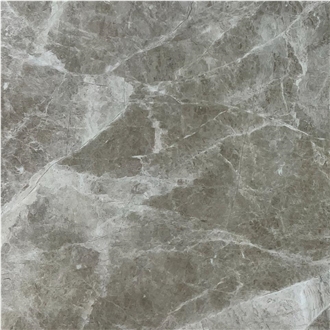
Gravitas Grey Marble

Marble

Turkey

About

Item Details

Material Type:
Marble
Origin:
Turkey
Recommended Usage:
kitchen and bathroom countertop, wash basins, building stone, ornamental stone, stairs, interior, exterior wall and floor applications, mosaic, water-jet pattern, wall panels, table tops, balustrades, columns, wall and pool copings, pool pavers, sculptures, fireplaces, window sills
Additional Names:
Gravitas Gray Marble, Grandma Grey Marble, Nainai Grey Marble, Granny Grey Marble, in China stone market:奶奶灰(Nǎinai Huī)
Finished Surface:
Polished,Bush Hammered,Tumbled,Brushed,Honed,Split,Machine Cut,Natural Surface,Sandblasted,Combed,Leathered,Water Jet,Chiseled,Pickling

Testing

Water Absorption:
0.10 - 0.35 %
Density:
2680 - 2730 kg/m³
Flexural Strength:
8 - 13 MPa
Compressive Strength:
80 - 120 MPa

Description

Gravitas Grey Marble is a sophisticated natural marble quarried in Turkey, characterized by a deep grey background with subtle tonal variations ranging from medium grey to dark charcoal. Its most distinctive feature is the presence of prominent, thick white to very light grey veins, creating a dramatic contrast and elegant visual movement.

Color

  • Deep grey to charcoal-grey base
  • Medium-grey mottling and tonal variation
  • Contrasting white to pale-grey veining
  • Occasional slightly darker cloudy areas

Texture

The marble has a fine- to medium-grained crystalline texture with a relatively compact structure. The white veins may display a slightly crystalline or fibrous appearance, typically associated with calcite-rich mineral infill.

Pattern

Gravitas Grey Marble features a strong, organic linear vein pattern. The veins have soft, irregular boundaries rather than sharply defined edges. In some slabs, intersecting veins create distinctive cross-hatched, branching, or T-shaped patterns, giving each slab a unique appearance. Vein intensity and direction can vary considerably between blocks.

Typical Technical Properties

Values may vary according to quarry location, block selection, and production batch.

  • Apparent Density: 2,680–2,730 kg/m³
  • Open Porosity: 0.2–0.8 %
  • Water Absorption: 0.10–0.35 %
  • Compressive Strength, Dry: 80–120 MPa
  • Compressive Strength, Wet: 65–100 MPa
  • Flexural Strength: 8–13 MPa
  • Abrasion Resistance: 18–25 mm
  • Frost Resistance: Suitable subject to tested grade
  • Mohs Hardness: Approximately 3–4

Note: These are representative ranges for comparable Turkish grey marbles and should not be presented as certified values for a specific quarry without the supplier's laboratory test report.

Chemical Composition

Typical marble is predominantly composed of calcium carbonate minerals: Component Approx. % by Weight

  • CaO: 52–55%
  • MgO: 0.2–2.0%
  • SiO₂: 0.5–3.0%
  • Al₂O₃: 0.1–1.0%
  • Fe₂O₃: 0.05–0.5%
  • K₂O: <0.5%
  • Na₂O: <0.5%
  • Loss on Ignition (LOI): 42–44%

Mineral Composition

  • Calcite: approximately 90–98%
  • Dolomite: 0–5%
  • Quartz: 0–3%
  • Feldspar and other accessory minerals: generally <2%

The prominent white veins are predominantly associated with recrystallized calcite.

Recommended Uses

Gravitas Grey Marble is suitable for a wide range of interior architectural applications, including:

Interior flooring, Wall cladding, Feature walls, Staircases, Kitchen countertops and islands, Bathroom vanities, Shower walls, Fireplace surrounds, Hotel and commercial interiors, Reception areas, Tabletops and furniture, Decorative and book-matched installations, For exterior applications, suitability should be confirmed through project-specific freeze-thaw, water absorption, and durability testing.

Maintenance

Gravitas Grey Marble is a calcareous stone and is sensitive to acids. Avoid contact with lemon juice, vinegar, acidic cleaners, and aggressive bathroom or descaling products.

For maintenance:

  • Clean regularly with a pH-neutral stone cleaner.
  • Wipe spills promptly. Apply a suitable penetrating sealer where appropriate.
  • Reseal periodically depending on traffic and usage.
  • Avoid abrasive cleaning powders and harsh chemicals.
  • Use cutting boards and protective mats on kitchen surfaces.
  • Test all cleaning and sealing products on a small inconspicuous area first.

Because the veining is natural, each slab will have its own unique pattern, making block selection and slab matching particularly important for large or book-matched projects.

FAQ

Gravitas Grey Marble has its own natural veins. If I use it as stair steps, will it break along these veins?

Gravitas Grey Marble, like other types of marble, naturally contains veins, which are often seen as aesthetic features. However, these veins can sometimes represent areas of weakness in the stone. When used as stair steps, there is a potential risk of breaking or cracking along these veins, especially if the stone is subjected to heavy loads or impacts. To minimize the risk of breakage, consider the following: 1. **Thickness**: Ensure that the marble slabs used for stair steps are thick enough to handle the expected weight and traffic. 2. **Support**: Properly support the marble steps with a strong, stable substrate and adequate support structures. 3. **Installation**: Hire experienced professionals who can properly assess and install the marble, taking the natural veins into consideration to minimize stress points. 4. **Maintenance**: Regular maintenance, including sealing and cleaning, can help preserve the marble and reduce the risk of damage. 5. **Traffic Considerations**: If the stairs will experience heavy traffic, consider using a more durable material or reinforcing the marble with additional supports. By paying attention to these factors, you can reduce the likelihood of the marble breaking along its veins when used as stair steps.

Is Gravitas Grey Marble durable enough for use as swimming pool terrace pavers?

Gravitas Grey Marble can be used as a material for swimming pool terrace pavers, but there are several factors to consider regarding its durability and suitability: 1. **Water Resistance**: Marble is a natural stone that is more porous compared to granite or some engineered stones. This means it can absorb water and be susceptible to staining or water damage over time if not properly sealed. 2. **Surface Finish**: For pool areas, its important to choose a finish that provides slip resistance. A honed or textured finish might be better than a polished finish, which can become slippery when wet. 3. **Weather Resistance**: Consider the climate and weather conditions. If the area experiences freeze-thaw cycles, marble might not be the best choice as it can crack or degrade under such conditions. 4. **Maintenance**: Marble requires regular maintenance, including sealing to protect against moisture absorption and staining. This is especially important in areas that are frequently wet, like a pool terrace. 5. **Durability**: While marble is a strong stone, it can be prone to scratching and etching from acidic substances. Regular sealing can help mitigate some of these issues. If Gravitas Grey Marble is your preferred choice, ensure its sealed properly and maintained regularly. You might also want to consult with a professional to assess its suitability for your specific climate and use case.

Can I use Gravitas Grey Marble as a pizza baking stone? Is it harmful to health?

Using Gravitas Grey Marble as a pizza baking stone is not recommended. Marble is not typically used for baking stones for several reasons: 1. **Thermal Properties**: Marble does not heat evenly and can crack under high temperatures that are often required for baking pizza. Baking stones are usually made from materials like cordierite or ceramic that can withstand and evenly distribute high heat. 2. **Health Concerns**: While marble is not inherently harmful to health, using it as a baking stone could lead to food safety issues. Marble is porous, which means it can absorb moisture, oils, and bacteria from foods. Additionally, if the marble contains any treatments or sealants used for aesthetic or functional purposes, these could release harmful chemicals when heated. 3. **Durability**: The high temperatures typically used in pizza baking (often 450°F or higher) can cause marble to crack or break. Marble is also more prone to scratching and chipping when compared to materials specifically designed for baking. For safety and performance, its best to use a stone that is specifically designed for pizza baking. These are typically made of materials like cordierite or cast iron, which are safe for both health and cooking effectiveness.

Can I use bleach when cleaning a Gravitas Grey Marble kitchen countertop?

Using bleach on a Gravitas Grey Marble kitchen countertop is not recommended. Marble is a natural stone that is sensitive to acidic and harsh cleaners, and bleach can cause discoloration or etching on the marble surface. Instead, its best to use a pH-neutral cleaner specifically designed for use on natural stone or a simple solution of warm water and a few drops of a mild, non-acidic dish soap. Be sure to wipe the countertop clean with a soft cloth and dry it thoroughly to avoid water spots. Regular sealing of your marble countertop will also help protect it from stains and damage.

How can I remove a red sauce stain from a Gravitas Grey Marble kitchen countertop?

Removing a red sauce stain from Gravitas Grey Marble involves careful cleaning to prevent damage to the marble surface. Here’s a step-by-step guide to help you: 1. **Blot the Stain**: As soon as the stain occurs, use a soft cloth or paper towels to blot up as much of the sauce as possible. Avoid wiping, as this can spread the stain. 2. **Prepare a Cleaning Solution**: Mix a gentle dish soap with warm water. Alternatively, you can prepare a solution using equal parts water and rubbing alcohol. Avoid using acidic cleaners like vinegar or lemon juice, as these can etch the marble. 3. **Clean the Stain**: Dampen a soft cloth or sponge with the cleaning solution and gently rub the stained area in a circular motion. Be careful not to scrub too hard, as that might damage the marble. 4. **Rinse**: Wipe the area with another cloth dampened with clean water to remove any soap residue. 5. **Dry the Surface**: Use a dry cloth to pat the area dry, ensuring no water spots are left, which can also damage the marble. 6. **Apply a Poultice (if needed)**: If the stain persists, you might need to use a marble poultice. You can make a poultice by mixing baking soda and water into a thick paste. Apply it over the stain, cover it with plastic wrap, and let it sit for 24-48 hours. The poultice will draw the stain out of the marble. 7. **Remove and Clean**: After the poultice has dried, scrape it off gently with a plastic spatula or a credit card edge, then clean and rinse the area as described in steps 3 and 4. 8. **Seal the Marble**: If your marble countertop isn’t already sealed, consider applying a marble sealer to protect it from future stains. Always test any cleaning solution in an inconspicuous area first to ensure it doesn’t damage the marble. If the stain persists, you might need to consult a professional stone care expert.

If I chop meat on a Gravitas Grey Marble kitchen countertop, will it leave knife marks?

Chopping meat directly on a Gravitas Grey Marble kitchen countertop is likely to leave knife marks or scratches. Marble is a relatively soft and porous natural stone, which makes it susceptible to scratches, stains, and etching from acidic substances. Using a cutting board is recommended to protect your marble countertop from potential damage and maintain its appearance.

Products & Prices

Hot Marble

New Marble

Post Your Request

The request includes:
  1. surface finished, size
  2. quantity required