Post Your Needs

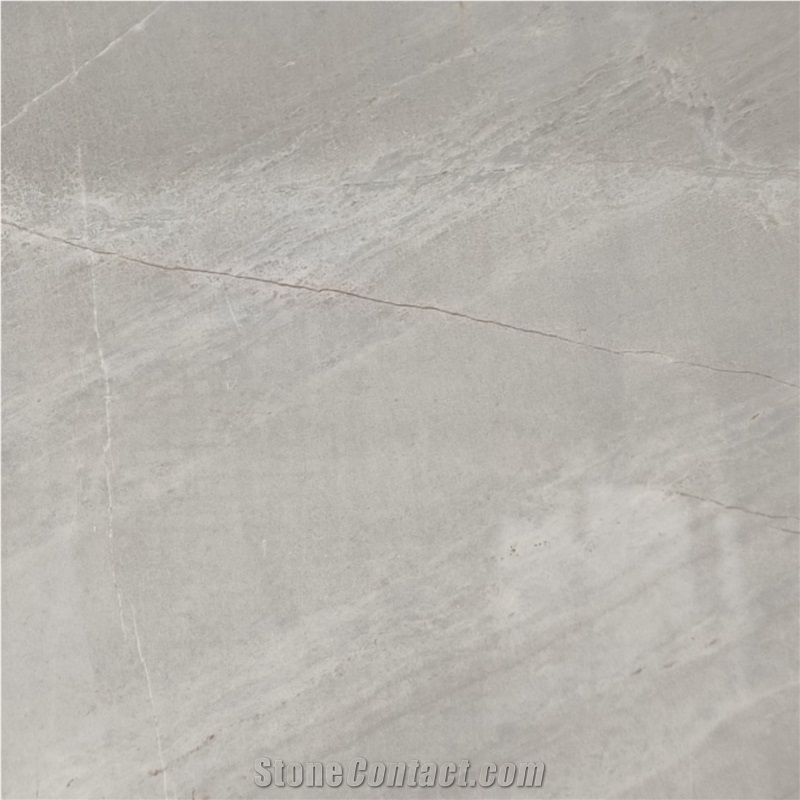
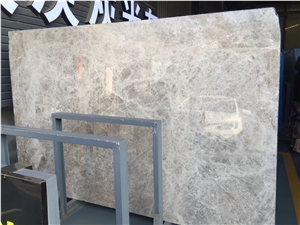
Gray Aurora Marble

Marble

China

About

Item Details

Material Type:
Marble
Origin:
China (Guizhou Province)
Recommended Usage:
Kitchen and bathroom countertops, wash basins, building stone, ornamental stone, stairs, interior, exterior wall and floor applications, mosaic, waterjet pattern, wall panels, table tops, balustrades, columns, wall and pool copings, pool pavers, sculptures, fireplaces
Additional Names:
Grey Aurora Marble, White Wooden Grey Marble, Grey Wooden Marble, in China stone market:灰色极光(huī sè jí guāng)
Finished Surface:
Polished,Bush Hammered,Tumbled,Brushed,Honed,Split,Machine Cut,Natural Surface,Sandblasted,Combed,Leathered,Water Jet,Filled,Chiseled,Pickling

Testing

Water Absorption:
0.3–0.5% by weight
Density:
2600–2700 Kg/m³
Flexural Strength:
10–15 MPa
Compressive Strength:
80–120 MPa

Description

Appearance (Color, Pattern, Texture)

Color: Soft cloudy grey base, ranging from light to medium tones.

Pattern: Characterized by distinctive light and dark wooden texture-like diagonal veins, creating a natural, flowing pattern reminiscent of wood grain or aurora streaks.

Texture: Fine to medium crystalline texture typical of marble, with a smooth, polished finish that highlights its subtle veining.

Physical & Mechanical Properties

  • Mohs Hardness : ~3–4 (calcite-based marble)
  • Compressive Strength : ~80–120 MPa
  • Flexural Strength : ~10–15 MPa
  • Water Absorption : ~0.3–0.5% by weight
  • Density / Specific Gravity : ~2.6–2.7 g/cm³

Chemical & Mineral Composition (% by weight)

  • CaCO₃ (Calcite) : ~90–95%
  • MgCO₃ (Dolomite) : ~2–5%
  • SiO₂ (Quartz) : <1%
  • Fe₂O₃ and others : Trace amounts

Primarily composed of calcite, with minor dolomite and trace minerals contributing to coloration and pattern.

Applications & Usage

Interiors:

  • Flooring, wall cladding, feature walls, and countertops
  • Bathroom vanities, fireplaces, and decorative panels

Commercial & Residential:

  • Lobby floors, hotel interiors, restaurants, and upscale residences

Best used in areas with moderate traffic due to marble’s relative softness compared to granite or quartzite.

Cutting Sizes & Formats

Slabs: Typically available in 2 cm and 3 cm thicknesses

Sizes range around 250–320 cm (length) × 150–200 cm (width) depending on block size

Tiles: Standard sizes like 30×30 cm, 60×60 cm, 60×120 cm are common, with custom cuts available.

Surface Finish Options

Polished: High gloss finish that enhances color depth and vein contrast.

Honed: Matte, smooth finish for a more subtle and contemporary look.

Leathered: Slightly textured surface with a soft sheen, offering slip resistance.

Brushed: Textured finish suitable for flooring with enhanced grip.

Maintenance & Care

Sealing: Recommended to protect against stains and water absorption, especially in wet areas.

Cleaning: Use pH-neutral cleaners designed for natural stone. Avoid acidic or abrasive cleaners that may etch or dull the surface.

Durability: Moderate hardness; scratches and etching possible with harsh use. Regular maintenance will prolong appearance and life.

FAQ

Does red wine stain the surface of a Gray Aurora Marble kitchen countertop?

Yes, red wine can potentially stain the surface of a Gray Aurora Marble kitchen countertop. Marble is a porous natural stone, which makes it susceptible to staining from various substances, including red wine. If spilled, the wine can seep into the pores and leave a noticeable stain. To minimize the risk of staining, its important to clean up spills immediately and use a sealant to offer some protection against liquids absorbing into the surface. If a stain does occur, it may require a special marble cleaner or professional treatment to remove.

Is polished Gray Aurora Marble mosaic flooring slippery for bathroom use?

Polished Gray Aurora Marble mosaic flooring can be slippery when wet, which is an important consideration for bathroom use. Marble is a natural stone with a smooth, polished finish that generally enhances its appearance. However, this smooth surface can become quite slick when exposed to water or moisture, making it less than ideal for areas where slip resistance is a priority, such as bathrooms. To mitigate this issue, consider the following options: 1. **Rug or Mat Placement**: Use non-slip rugs or mats in areas that are most likely to get wet, like near the shower or sink. 2. **Sealant and Anti-Slip Treatment**: There are anti-slip treatments and sealants available that can be applied to stone surfaces to enhance traction. 3. **Matte or Honed Finish**: If you have not yet installed the flooring, consider opting for a honed or matte finish, which is less slippery than a polished finish. 4. **Regular Maintenance**: Ensure the surface is kept dry and clean, as soap and water can increase slipperiness. 5. **Textured Mosaic**: Mosaic tiles themselves tend not to be as slippery because of the grout lines between them, which can provide additional traction. Ensure these are maintained properly to prevent slip hazards. Safety should be your top priority when selecting materials for bathroom flooring, so carefully consider these options if you are set on using polished marble mosaics.

How can I give Gray Aurora Marble tiles an antique look?

Giving Gray Aurora Marble tiles an antique look can add character and charm to any space. Here are some methods to achieve that aged appearance: 1. **Acid Washing**: - Use a mild acid, such as muriatic acid, with extreme caution to etch the surface of the marble slightly. This can dull the polished surface and create a weathered look. Always dilute the acid according to the instructions and wear appropriate protective gear. 2. **Tumbling**: - This involves placing the marble tiles in a tumbler with small pebbles or abrasives. This process can create imperfections and round out edges, giving the tiles a more worn look. This is usually done before installation and is best handled by professionals. 3. **Sanding**: - Hand sand or use a rotary sander with fine-grit sandpaper to lightly distress the surface. Focus on areas that would naturally show wear, like edges and corners. 4. **Staining**: - Apply a stone-safe stain or patina to add warmth and depth to the color. Test on a small, inconspicuous area first to ensure the desired effect. Wipe off excess stain quickly to avoid dark blotches. 5. **Waxing**: - Use a stone wax to buff a soft, muted shine into the marble, which can enhance an aged appearance. Make sure the wax is suitable for use on marble. 6. **Creating Patina**: - Over time, stones develop a patina from exposure to elements and use. You can simulate this by applying a diluted mixture of coffee or tea. Apply evenly and allow it to dry; multiple coats may be necessary for deeper color. 7. **Cleaning and Sealing**: - Once you achieve the desired look, thoroughly clean the tiles and seal them with a high-quality stone sealer to protect and preserve the new finish. This will also help maintain the antique appearance over time. 8. **Distressing**: - Use tools to gently chip or scratch the surface in a controlled manner. Natural-looking imperfections can mimic the look of age. 9. **Professional Refinishing**: - Consider hiring professionals who specialize in stone finshes. They have the tools and expertise to achieve a specific aged look through various treatment techniques. Remember, altering the finish of marble can be permanent and might affect its durability. Always perform tests on a spare tile or in a hidden area first. If in doubt, consulting with a professional is the best course of action to ensure the best results without damaging your tiles.

How can I restore the appearance of Gray Aurora Marble floors to make them look new again?

Restoring the appearance of Gray Aurora Marble floors involves several steps to clean, repair, and polish the surface. Heres a guide to help make your marble floors look new again: 1. **Cleaning:** - *Dust and Debris Removal:* Begin by sweeping or vacuuming the floor to remove dust, dirt, and debris. - *Gentle Cleaning Solution:* Use a pH-neutral marble cleaner or mix a mild solution of dish soap and water. Avoid acidic or alkaline cleaners as they can damage the marble. - *Drying:* Rinse the floor with clean water to remove any soap residue, and dry with a soft, absorbent cloth or towel to prevent water spots. 2. **Stain Removal:** - *Identify Stains:* Determine the type of stain (e.g., oil, organic, rust). - *Create a Poultice:* Apply a poultice thats suitable for the specific type of stain. Common poultices include baking soda and water paste for oil-based stains or hydrogen peroxide solution for organic stains. - *Application:* Apply the poultice to the stain, cover with plastic wrap, and leave it to sit for 24-48 hours. Afterward, remove the poultice and rinse the area. 3. **Scratch and Etch Repair:** - *Polishing Powder:* For mild etching or light scratches, use a marble polishing powder. Follow the products instructions carefully to restore the surface shine. - *Professional Buffing:* For deeper scratches or etching, consider renting a buffing machine or hiring a professional to refinish the floors. 4. **Polishing:** - *Polishing Compound:* Apply a marble polishing compound to a section of the floor and use a white buffing pad on a low-speed floor machine to work the compound into the surface. - *Circular Motion:* Move the machine in a circular motion, ensuring even coverage. - *Clean Residue:* After polishing, clean the floor with a damp cloth to remove any remaining compound. 5. **Sealing:** - *Choose a Sealer:* Use a penetrating sealer designed for marble to protect against staining and etching. - *Application:* Apply the sealer according to the manufacturers instructions, typically using a clean cloth or pad to evenly spread it on the surface. - *Buffing:* After the sealer dries, buff the floor with a clean towel to achieve a polished look. 6. **Routine Maintenance:** - *Regular Cleaning:* Sweep and mop regularly to prevent dirt build-up. - *Spill Management:* Wipe up spills immediately to prevent staining. - *Protective Mats:* Use mats or rugs in high-traffic areas to minimize wear. Consider hiring a professional stone restoration company for significant damage or if youre unsure about undertaking the restoration yourself. They can provide expertise and ensure the best results without risking further damage to your marble floors.

Can 2cm thick Gray Aurora Marble be used for stair steps?

Yes, 2cm thick Gray Aurora Marble can be used for stair steps, but there are a few considerations to ensure its suitability and durability: 1. **Structural Support:** Ensure that the substructure or framework supporting the marble is strong enough to handle the weight and usage without flexing, as marble can crack if not properly supported. 2. **Surface Finish:** Marble stairs can become slippery, especially when wet. Choosing a honed or textured finish can help improve traction compared to a polished finish. 3. **Sealing:** Marble is a porous material, so it should be sealed to help prevent staining and damage from moisture. Regular maintenance and resealing may be required to keep the marble in good condition. 4. **Wear and Tear:** Marble is susceptible to scratching and etching, especially in high-traffic areas. Consider the expected level of foot traffic and whether you are prepared to manage scratches and other wear over time. 5. **Aesthetics and Style:** Gray Aurora Marble has a distinctive look that can be very attractive for staircases, adding a luxurious aesthetic to your space. Ensure it complements the overall design of your environment. Its also recommended to consult with a professional stone supplier or installer to evaluate the specific conditions and requirements of your staircase project.

Do fruit juices stain the surface of Gray Aurora Marble?

Gray Aurora Marble, like many natural stones, can be susceptible to staining, especially from acidic substances such as fruit juices. Marble is a calcium carbonate-based stone, which means it reacts with acids and can etch or become dull if exposed to them. Fruit juices typically contain acids that can etch the surface and potentially leave stains if not cleaned up promptly. To prevent staining, it is advisable to: 1. **Use Coasters and Trays:** Place coasters or trays under glasses or containers to protect the marble surface from direct contact with juices. 2. **Seal the Marble:** Regularly apply a good quality stone sealant to create a protective barrier that helps prevent stains. 3. **Clean Spills Immediately:** If any fruit juice spills, clean it up immediately with a soft cloth or paper towel. Avoid wiping, which can spread the liquid around; instead, blot the area gently. 4. **Use pH-neutral Cleaners:** When cleaning, use pH-neutral stone cleaners rather than acidic or abrasive cleaners, which can damage the marble. By taking these precautions, you can help protect your Gray Aurora Marble from staining and maintain its appearance.

What type of abrasive should be used to polish the Gray Aurora Marble surface??

Polishing Gray Aurora Marble, like other natural stones, requires using appropriate abrasives to achieve a smooth and glossy finish without damaging the stone. Typically, a progression of diamond abrasives is used for this purpose. Here’s a general guideline: 1. **Diamond Sanding Pads**: Start with coarser grit diamond sanding pads (e.g., 50 or 100 grit) to remove any deep scratches or imperfections. 2. **Progressive Grits**: Gradually move to finer grits (e.g., 200, 400, 800, 1500, and 3000). Each stage removes the scratches from the previous grit, gradually smoothing out the surface. 3. **Polishing Powder**: After using diamond sanding pads, a specialized marble polishing powder can be applied with a buffing pad to bring out the final shine. These powders often contain a mix of micro abrasives and polishing compounds. 4. **Buffing Pads**: Use white buffing pads designed for stone polishing to apply the polishing powder and to achieve a high gloss finish. 5. **Sealing**: After polishing, consider applying a stone sealer to protect the marble from staining and etching. It’s crucial to follow manufacturer instructions and to test on a small area first to ensure the best results. If unsure, it might be wise to consult a professional stone restoration specialist.

Is 2cm thick Gray Aurora Marble durable enough for use as walkway pavers?

When considering Gray Aurora Marble for use as walkway pavers, there are a few factors to take into account. Marble, in general, is known for its aesthetic appeal and is often used in decorative applications. However, its suitability for outdoor use, especially as pavers, depends on several attributes: 1. **Durability**: Marble is a relatively hard stone but is softer and more porous than granite, making it more susceptible to scratching, chipping, and wear over time, especially in high-traffic areas. 2. **Thickness**: A thickness of 2 cm is on the thinner side for pavers. Thicker pavers, typically 3 cm or more, are preferred for structural integrity and longevity, particularly in areas subject to heavy traffic or weight. 3. **Weather Resistance**: Marble can be vulnerable to weathering. It may discolor or degrade when exposed to acidic rain, freeze-thaw cycles, or other harsh weather conditions. 4. **Surface Treatment**: Sealing can help protect the marble from stains and moisture but requires regular maintenance. A non-slip finish is also essential to prevent the surface from becoming too slippery when wet. 5. **Maintenance**: Marble requires regular maintenance to preserve its appearance, including cleaning and sealing. Given these considerations, while 2 cm Gray Aurora Marble could potentially be used for a walkway in areas with light foot traffic and mild climate, it may not be the best choice for areas with heavy use or harsh weather conditions. Alternatively, you might consider more durable options, such as granite or concrete pavers, particularly if the walkway will experience significant use or challenging environmental conditions.

Does the surface of Gray Aurora Marble scratch easily?

Gray Aurora Marble, like many natural stones, can be susceptible to scratching due to its composition. Marble is generally softer than other natural stones like granite, which makes it more prone to wear and tear. To minimize scratching on Gray Aurora Marble, its important to take preventive measures such as using cutting boards in the kitchen, employing coasters under glasses, and placing protective pads under heavy objects. Regular sealing can also help in protecting the surface from scratches and staining. Additionally, cleaning with non-abrasive materials and avoiding acidic or harsh chemicals will help maintain its appearance.

Products & Prices

View More

Hot Marble

New Marble

Post Your Request

The request includes:
  1. surface finished, size
  2. quantity required