Post Your Needs

Gray Conglomerate Stone

Grey - Conglomerate

Turkey

About

Item Details

Material Type:
Conglomerate
Origin:
Turkey
Primary Color(s):
Grey
Recommended Usage:
Kitchen and bathroom countertops, monuments, building stone, ornamental stone, stairs, interior, exterior wall and floor applications, mosaic, waterjet pattern, wall panels, table tops, window sills, wall and pool copings, pool pavers
Additional Names:
Breccia Grigio Conglomerate, Grey Conglomerate Stone, Gray Conglomerate Stone
Finished Surface:
Polished,Bush Hammered,Tumbled,Brushed,Honed,Split,Machine Cut,Natural Surface,Sandblasted,Acid Washing,Combed,Leathered,Water Jet,Filled,Chiseled,Pickling

Description

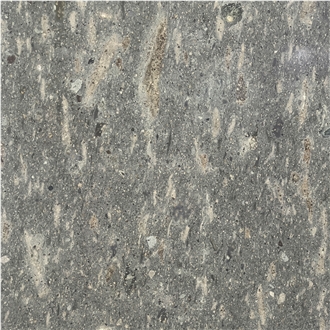
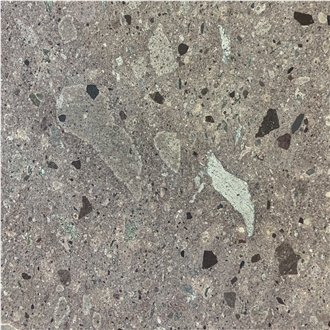
Gray Conglomerate Stone, quarried in Turkey, is a captivating natural stone known for its distinct appearance and unique composition. This conglomerate stone is characterized by its diverse range of gray shades, interspersed with black and white fragments, as well as ash gray reflections. Here's a detailed description of Gray Conglomerate Stone:

Color Palette:

Different Shades of Gray: Gray Conglomerate Stone exhibits a rich array of gray tones, ranging from light to dark. These shades contribute to the stone's overall depth and complexity.

Black and White Fragments: The stone is adorned with fragments of black and white, creating a striking contrast against the gray background. These fragments vary in size and distribution, adding a dynamic and textural element to the stone's appearance.

Ash Gray Reflections: The stone may feature ash gray reflections, which enhance the overall visual interest. These reflections often shimmer and catch the light, giving the stone a subtle but elegant luminosity.

Texture and Composition:

Conglomerate stones are typically composed of various mineral fragments, cemented together by a natural binder, creating a unique and visually intriguing texture.

The fragments in Gray Conglomerate Stone may vary in size and shape, contributing to the stone's natural and organic look.

The stone's composition provides a tactile surface that is both visually and physically interesting.

Veining Pattern:

Gray Conglomerate Stone may exhibit a natural veining pattern created by the arrangement of mineral fragments. This pattern adds depth and character to the stone.

The veining pattern is often subtle and complements the stone's overall appearance without overwhelming it.

Finish Options:

Gray Conglomerate Stone can be finished in various ways to achieve different visual effects. Common finishes include polished, honed, and natural (rough).

A polished finish enhances the stone's natural luster, providing a smooth and glossy surface.

A honed finish offers a matte and smooth appearance, giving a more subdued and classic look.

A natural finish maintains the stone's rugged and rough texture, offering a rustic and organic aesthetic.

Applications:

Gray Conglomerate Stone is used in a range of interior and exterior applications. It is commonly employed for wall cladding, flooring, and decorative accents.

Its diverse gray palette, combined with the black and white fragments, makes it suitable for creating visually striking focal points in design.

The stone's natural texture and composition add character to both modern and rustic design schemes.

Style and Aesthetic:

The diverse shades of gray, complemented by the black and white fragments and ash gray reflections, create a sense of depth and sophistication in any space.

Gray Conglomerate Stone's unique composition and texture make it a versatile choice for various design styles, from contemporary to industrial.

The stone's origin in Turkey, known for its rich geological heritage, adds to its authenticity and appeal.

Gray Conglomerate Stone, with its captivating palette and distinctive composition, is a favored choice for those looking to infuse depth and character into their interior and exterior design projects. Its natural beauty and unique texture make it a valuable addition to architectural and design endeavors seeking a sense of visual intrigue and depth.

FAQ

Is Gray Conglomerate Stone floors easily scratched?

Gray Conglomerate Stone floors are generally resistant to scratches, but they can still be scratched if sharp or abrasive objects are dragged across the surface. It is recommended to use furniture pads or coasters to prevent scratching and to regularly sweep and mop the floors to remove any debris that could potentially cause scratches. Additionally, applying a sealant or protective coating can help to preserve the appearance of the floors and further reduce the risk of scratching.

Can Gray Conglomerate Stone be used for stairs?

Yes, Gray Conglomerate Stone can be used for stairs. Its durable and non-slip characteristics make it a suitable material for stairs, providing both functionality and aesthetic appeal. However, it is important to ensure that the stone is properly cut and installed by professionals to ensure the safety and longevity of the stairs.

How can I maintain Gray Conglomerate Stone countertop?

1. Clean spills immediately: Wipe up any spills on the countertop immediately to prevent staining. 2. Use mild soap and water: Regularly clean the countertop with a soft cloth or sponge and a mild soap or pH-neutral cleaner. Avoid using abrasive cleaners or scrubbing pads as they can scratch the surface. 3. Avoid harsh chemicals: Do not use acidic or abrasive cleaners, such as vinegar, lemon juice, or ammonia, as they can damage the sealant and dull the surface of the stone. 4. Seal the countertop: Gray Conglomerate Stone countertops should be sealed regularly to protect them from stains and water damage. Follow the manufacturers recommendations for sealing frequency. 5. Use cutting boards and trivets: To prevent scratching and heat damage, always use cutting boards and trivets when working with knives or placing hot pots and pans on the countertop. 6. Avoid standing or sitting on the countertop: Gray Conglomerate Stone countertops are strong and durable, but excessive weight can cause cracking or damage over time. 7. Buff out scratches: If you notice any minor scratches on the countertop, you can buff them out using a mild abrasive cleaner or polishing compound. Follow the manufacturers recommendations for the best results. By following these simple maintenance tips, you can keep your Gray Conglomerate Stone countertop looking beautiful and in top condition for years to come.

Can my Gray Conglomerate Stone countertop surface be scratched with a knife? Should I avoid cutting anything on it?

Gray Conglomerate Stone is a durable material that is more scratch resistant than many other countertop surfaces. However, it is still possible for it to be scratched with a sharp knife or other abrasive objects. While it can withstand normal wear and tear, it is always best to avoid cutting directly on the surface to prevent any potential damage. Using a cutting board or other protective surface can help preserve the appearance and longevity of your countertop.

Does Gray Conglomerate Stone countertop easy stain?

Gray Conglomerate Stone countertops are generally considered to be more stain-resistant compared to other natural stone countertops such as marble or granite. However, they are not completely stain-proof and can still become stained if spills are not promptly cleaned up. It is important to seal Gray Conglomerate Stone countertops regularly to help protect against stains and maintain their appearance.

Is Gray Conglomerate Stone good for kitchen countertops?

Gray conglomerate stone, also known as engineered stone or quartz, is a popular choice for kitchen countertops because of its durability, low maintenance, and ability to mimic the look of natural stone. It is non-porous, which means it is resistant to stains, scratches, and bacteria growth. Additionally, it is available in a wide range of colors, including gray, making it a versatile option for any kitchen design. Overall, gray conglomerate stone is a good option for kitchen countertops, as long as it is properly cared for and maintained.

Is 2cm thick Gray Conglomerate Stone good for office worktops?

Gray Conglomerate Stone can be a good option for office worktops as it is durable, easy to maintain, and provides a modern and sleek look. The 2cm thickness should be sufficient for most office worktops, but it ultimately depends on the specific use and requirements of the office. If the work surface will be subject to heavy use or require additional support, a thicker stone may be more appropriate. It is also important to consider the design and aesthetic preferences of the office space when choosing a stone for the worktop. Ultimately, it is recommended to consult with a stone supplier or designer to determine the best option for your specific needs.

Does Gray Conglomerate Stone countertop crack easily?

Gray Conglomerate Stone countertops are typically quite durable and resistant to cracking. However, like any natural stone countertop, they can still be susceptible to cracking if subjected to excessive force or sharp impacts. Proper care and maintenance can help prevent cracking and ensure the longevity of your Gray Conglomerate Stone countertop.

Hot Grey Conglomerate

New Conglomerate

Post Your Request

The request includes:
  1. surface finished, size
  2. quantity required