Post Your Needs

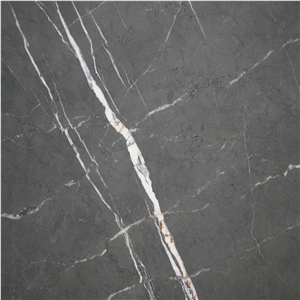
Gray Glory Marble

Grey - Marble

China

About

Item Details

Material Type:
Marble
Origin:
China (Guangxi)
Primary Color(s):
Grey
Recommended Usage:
kitchen and bathroom countertops, monuments, building stone, ornamental stone, stairs, interior, exterior wall and floor applications, mosaic, waterjet pattern
Additional Names:
Grey Glory Marble, Grey Glory, Glory Grey Marble, Glory Grey Marble, Overlord Flower Marble, Laventol Pearl Marble, Gris Fosil Marble, Grey Fosil Marble, Gray Glory Marble
Finished Surface:
Polished,Bush Hammered,Tumbled,Brushed,Honed,Split,Machine Cut,Natural Surface,Sandblasted,Acid Washing,Combed,Leathered,Water Jet,Filled,Chiseled,Pickling

Testing

Water Absorption:
0.09 %
Density:
2720 kg/m³
Flexural Strength:
18.2 MPa
Compressive Strength:
127.6 MPa

Description

Gray Glory Marble, also known as Overlord Flower Marble or Chinese Petrified Wood Marble, is a unique and distinctive natural stone originating from China. It is a type of marble that showcases remarkable fossilized wood-like patterns, giving it a distinctive and visually captivating appearance. Gray Glory Marble typically features a gray background with intricate patterns that resemble the grain and texture of petrified wood. The patterns can vary from fine lines to more prominent swirls and knots, creating a sense of natural beauty and organic appeal. Due to its striking appearance and resemblance to petrified wood, Gray Glory Marble is often used in interior design projects as countertops, wall cladding, flooring, and decorative accents. It can add a touch of sophistication and a unique aesthetic to a variety of design styles, from modern to rustic. As with any natural stone, the exact characteristics and variations of Gray Glory Marble can differ depending on the specific quarry and batch. It is recommended to consult with a reputable stone supplier or view actual samples to assess its particular qualities and suitability for your project. This stone is especially good for kitchen and bathroom countertops, monuments, building stone, ornamental stone, stairs, interior, exterior wall and floor applications, mosaic, waterjet pattern and other design projects. It also called Grey Glory Marble, Grey Glory, Glory Grey Marble, Glory Grey Marble, Overlord Flower Marble, Laventol Pearl Marble, Gris Fosil Marble, Grey Fosil Marble. Gray Glory Marble can be processed into Polished,Bush Hammered,Tumbled,Brushed,Honed,Split,Machine Cut,Natural Surface,Sandblasted,Acid Washing,Combed,Leathered,Water Jet,Filled,Chiseled,Pickling and so on.

FAQ

Can 1.8 cm thick Gray Glory Marble be used for commercial kitchen countertop?

Using 1.8 cm thick Gray Glory Marble for a commercial kitchen countertop is generally not recommended. Marble is a softer and more porous stone compared to granite or quartz, making it less durable and more susceptible to staining, scratching, and etching from acids commonly found in kitchen environments. For a commercial kitchen, which typically experiences heavy use, durability and ease of maintenance are critical factors. While marble can be sealed to help prevent some stains, it requires regular maintenance and resealing to keep it protected. Thicker slabs, typically 3 cm or more, are often preferred for countertops to ensure sufficient strength and durability. For these reasons, materials like granite, quartz, or stainless steel are often recommended for commercial kitchen countertops due to their superior durability, resistance to heat and scratches, and ease of maintenance. If the use of marble is essential for aesthetic reasons, it might be better suited for areas with less heavy use.

How can I repair the scratched surface of the Gray Glory Marble steps?

Repairing scratched Gray Glory Marble steps can be tackled with care to restore their appearance. Heres a general guideline on how to repair them: ### Materials Needed: - Marble cleaner - Soft cloths or microfiber towels - Sandpaper (220, 400, 600 grit) - Water - Marble polishing powder or compound - Polishing pad or buffing machine - Sealant (if needed) ### Steps: 1. **Clean the Surface:** - Begin by cleaning the marble steps thoroughly. Use a pH-neutral marble cleaner and a soft cloth to remove any dirt, dust, or debris. Ensure the surface is completely dry before proceeding. 2. **Identify the Scratches:** - Examine the scratches to determine their depth. Light scratches can often be polished out, while deeper scratches may require more extensive work. 3. **Sanding:** - For deeper scratches, start with the 220-grit sandpaper. Wet the sandpaper with water to minimize dust and gently sand the area in a circular motion. - Progressively move to a finer grit sandpaper (400, then 600) to smoothen the surface. Sand until the scratch is diminished and the surface is smooth. Remember to keep the surface wet while sanding. 4. **Polishing:** - Once the scratches are removed, use a marble polishing powder or compound. Apply it to a clean, soft cloth or use a polishing pad. - Rub the compound over the repaired area in a circular motion, either manually or with a buffing machine, until the area shines and blends in with the surrounding marble. 5. **Cleaning Again:** - Clean the area again to remove any polish residue. Use your marble cleaner and a clean cloth for this step. 6. **Sealing (Optional):** - If the marble has a sealant, you might want to reseal the steps to protect the surface. Follow the instructions on your sealant product, applying it evenly and allowing it to dry fully. ### Additional Tips: - **Test in an Inconspicuous Area:** If you’re unsure about how your marble will react to the process or products, test the method on a less visible part of the step. - **Consult a Professional:** If scratches are significant or if youre uncertain, it may be wise to contact a marble restoration professional to avoid further damage. - **Prevent Future Scratches:** Place mats or runners in high-traffic areas, and ensure that footwear is clean to reduce the risk of scratching. By following these steps, you can effectively restore the look of your Gray Glory Marble steps.

If I use Gray Glory Marble as a commercial bar countertop, will alcoholic drinks damage its surface over time?

Using Gray Glory Marble as a commercial bar countertop can be beautiful, but its important to consider its susceptibility to damage, especially from alcoholic drinks. Marble is a natural stone composed primarily of calcium carbonate, which is susceptible to etching and staining when it comes into contact with acidic substances. Many alcoholic drinks, such as wine, beer, and cocktails, contain acids that can etch the surface of the marble over time, leading to dull spots and potential discoloration. To protect the marble: 1. **Seal Regularly**: Applying a high-quality sealant can help protect the marble surface from stains and etches. Reseal the countertop regularly according to the manufacturers recommendations. 2. **Immediate Cleaning**: Wipe up any spills immediately with a soft cloth or paper towel to prevent the liquid from soaking into the marble. 3. **Use Coasters and Mats**: Encourage the use of coasters under glasses and provide mats or trays for bottles and other items that might leak or spill. 4. **Educate Staff**: Ensure that staff are aware of the procedures for caring for the marble countertop and are diligent in their cleaning practices. 5. **Choose Alternatives**: If maintaining the marble becomes too challenging, consider using more durable alternatives like granite or engineered stone for high-traffic commercial environments. While Gray Glory Marble can work as a bar countertop with proper care and maintenance, its essential to be proactive in its upkeep to prevent significant damage from occurring over time.

Gray Glory Marble has its own natural veins. If I use it as stair steps, will it break along these veins?

Gray Glory Marble, like other natural stone, has veins that are inherent to its composition. These veins can be points of natural weakness in the stone, meaning there is a potential for the marble to break along these lines under certain conditions, such as high stress or impact. When using marble as stair steps, its important to consider the following factors to minimize the risk of breakage: 1. **Quality of the Marble:** Ensure you are sourcing high-quality marble with minimal flaws or inconsistencies. The density and composition of the stone can affect its durability. 2. **Thickness of the Slabs:** Using thicker slabs for stair steps can help increase their strength and reduce the likelihood of breakage. 3. **Proper Installation:** Correct installation is key to ensuring that the weight and stress are evenly distributed. Proper support and adherence to industry standards are crucial. 4. **Surface Finish:** The finish applied to the marble can also affect its durability. Polished surfaces may be more resistant to certain types of wear compared to honed surfaces. 5. **Environment:** Consider the environment where the stairs will be placed. Exposure to significant temperature changes or moisture can affect the integrity of the marble over time. 6. **Maintenance:** Regular maintenance and sealing can help protect the marble from staining and other issues that might compromise its strength. To ensure safety and longevity, consulting with an experienced installer or a structural engineer who understands the properties of Gray Glory Marble is recommended. They can provide specific advice tailored to your project.

How can I remove mold from Gray Glory Marble wall tiles?

Removing mold from Gray Glory marble wall tiles requires a delicate approach to avoid damaging the marble. Here’s a step-by-step guide to help you do this safely: 1. **Assess the Damage:** Determine the extent of the mold growth and ensure that it hasnt penetrated deeply into the grout or tiles. 2. **Prepare the Area:** - Ensure good ventilation in the area where you will be working. - Wear protective gear: gloves, a mask, and safety goggles to protect yourself from mold spores and cleaning agents. 3. **Gather Cleaning Supplies:** - Mild dish soap or a specifically formulated marble cleaner. - A soft-bristle brush or sponge. - Clean, warm water. - Soft, dry cloths for drying and buffing. - A pH-neutral cleaner is advisable if you have one; avoid acidic or abrasive cleaners as they can damage marble. 4. **Initial Cleaning:** - Mix a few drops of mild dish soap with warm water. - Dip the soft brush or sponge into the solution and gently scrub the moldy areas. Avoid using excessive water or pressure. - Rinse the area with clean water to remove soap residues. 5. **Tackle Stubborn Mold:** - For persistent mold stains, you can use a solution of water and hydrogen peroxide in equal parts. - Apply the solution to a small, inconspicuous area first to ensure there is no damage to the marble surface. - If safe, apply the solution to the mold-affected areas, let it sit briefly, and then gently scrub with the soft brush. - Rinse thoroughly with clean water. 6. **Drying:** - Use a soft, dry cloth to completely dry the marble surface to prevent water spots and further mold growth. 7. **Prevent Future Mold Growth:** - Ensure good ventilation in the area to keep it dry. - Consider using a dehumidifier in areas prone to moisture buildup. - Occasionally clean the tiles with a pH-neutral cleaner designed for marble to maintain its condition. If the mold problem persists or is severe, you might want to consult a professional who specializes in cleaning and restoring marble surfaces.

Does Gray Glory Marble mosaic bathroom wall tiles need to be sealed?

Yes, Gray Glory Marble mosaic bathroom wall tiles typically need to be sealed. Marble is a porous natural stone, and sealing it helps protect against water absorption, staining, and damage from moisture and everyday use. For a bathroom environment, where moisture and humidity are prevalent, sealing the tiles is especially important to maintain their appearance and longevity. It’s generally recommended to seal marble tiles before they are used and periodically afterwards, depending on the type of sealer used and the level of exposure to water and other substances. Always follow the manufacturers guidelines for best practices on sealing and maintenance.

What is the average water absorption of China's Gray Glory Marble?

There is no specific information available on the average water absorption of Chinas Gray Glory Marble as it can vary depending on the specific quarry and batch. The water absorption of marble generally ranges from low to medium, meaning it can absorb some water but is not highly porous. To determine the exact water absorption of a particular batch or sample of Gray Glory Marble, it is recommended to consult with the supplier or manufacturer.

Can China's Gray Glory Marble be used in floor coverings?

Yes, Chinas Gray Glory Marble can be used in floor coverings. Gray Glory Marble is a type of gray natural stone with subtle patterns and variations. It is known for its durability and elegance, making it a popular choice for floorings in both residential and commercial spaces. The marble is often used in the form of tiles, slabs, or cut-to-size pieces to create beautiful and distinctive floors. However, it is important to note that marble is a natural stone and may require regular maintenance and sealing to ensure its longevity and preserve its appearance.

Can China's Gray Glory Marble be used exterior applications in cold climates?

Chinas Gray Glory Marble can be used in exterior applications in cold climates, but it may require additional precautions and maintenance. Marble is a natural stone that is not as durable as some other materials like granite. In cold climates, marble is subject to the freeze-thaw cycles, which can cause cracking or damage to the stone. Therefore, it is important to ensure proper installation and maintenance to protect the marble. Here are some factors to consider when using Chinas Gray Glory Marble in exterior applications in cold climates: 1. Quality and grade: Choose high-quality Gray Glory Marble that is suitable for exterior use. Lower-grade marbles may have more vulnerabilities to cold weather. 2. Sealing: Apply a high-quality, penetrating sealer specifically designed for external use to help protect the marble from moisture penetration and freezing. 3. Installation: Ensure proper installation techniques, including proper anchoring and use of a flexible mortar. This helps to minimize the risk of cracks or damage caused by temperature changes. 4. Maintenance: Regularly clean and maintain the marble to remove dirt, debris, and ice. Avoid using harsh chemicals or scraping tools that could damage the marble surface. 5. Protection: Cover the marble during extreme winter months, especially during snowfall or ice storms, to protect it from direct exposure to moisture and freezing temperatures. 6. Monitoring: Regularly inspect the marble for signs of cracks, damage, or any issues caused by freezing temperatures. Promptly address any concerns to prevent further damage. Overall, while Chinas Gray Glory Marble can be used in exterior applications in cold climates, it requires proper installation, maintenance, and protection to minimize the risk of damage from freeze-thaw cycles. Consulting with a professional stone supplier or installer can provide more specific guidance based on the local climate conditions.

Products & Prices

View More

Hot Grey Marble

New Marble

Post Your Request

The request includes:
  1. surface finished, size
  2. quantity required