Post Your Needs

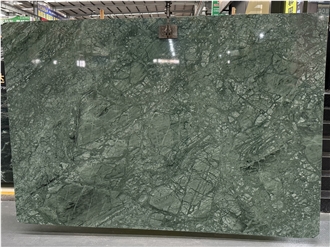
Green Guatemala Marble

Green - Marble

Guatemala

About

Item Details

Material Type:
Marble
Origin:
Guatemala (Pasabien, Zacapa)
Primary Color(s):
Green
Recommended Usage:
Exterior - Interior wall and floor applications, monuments, countertops, mosaic, fountains, pool and
Additional Names:
Verde Zacapa Marble, Verde Guatemala Marble, Verde Quatemala Marble, Verde Guatemala Original Quartzite, Verde Guatemala Green Marble, Verde Guatemala Original, Emerald Green Marble, Green Guatemala Marble
Finished Surface:
Polished, Sawn Cut, Sanded, Rockfaced, Sandblasted, Tumbled

Testing

Water Absorption:
0.60 By weight %
Density:
2738 kg/m³
Flexural Strength:
22.76 MPa
Compressive Strength:
231.32 MPa

Description

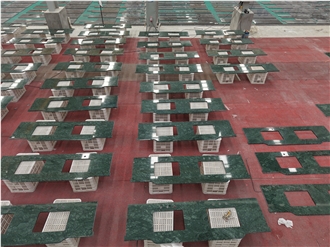
Green Guatemala Marble is a kind of green marble quarried in Guatemala. This stone is especially good for Exterior - Interior wall and floor applications, monuments, countertops, mosaic, fountains, pool and and other design projects. It also called Verde Zacapa Marble, Verde Guatemala Marble,Verde Quatemala Marble,Verde Guatemala Original Quartzite,Verde Guatemala Green Marble,Verde Guatemala Original,Emerald Green Marble . Green Guatemala Marble can be processed into Polished, Sawn Cut, Sanded, Rockfaced, Sandblasted, Tumbled and so on.

FAQ

What is the best adhesive for Green Guatemala Marble mosaic?

The best adhesive for Green Guatemala Marble mosaic is a high-quality, flexible and waterproof adhesive specifically designed for natural stone tiles. It is recommended to use a white marble adhesive to avoid any potential discoloration or staining on the marble surface. It is important to consult with a professional or the marble supplier for specific adhesive recommendations, as they may have their own preferred brands or products for this particular type of marble.

Can I use Green Guatemala Marble mosaic on a bathroom floor?

Yes, you can use Green Guatemala Marble mosaic on a bathroom floor. Marble is a durable and water-resistant material, making it suitable for bathroom floors. However, it is important to properly seal the marble to protect it from water damage and staining. Additionally, make sure to use non-abrasive cleaners specifically designed for marble to maintain its beauty.

Can I use Green Guatemala Marble mosaic on a kitchen floor?

Yes, you can use Green Guatemala Marble mosaic on a kitchen floor. Marble is a durable and long-lasting material that can withstand the heavy foot traffic and wear and tear in a kitchen. However, it is important to note that marble is a porous stone and can be prone to staining, so it is recommended to seal the mosaic tiles with a marble sealer to protect them from spills and stains. Additionally, regular cleaning and maintenance will help to preserve the beauty of the marble mosaic over time.

Do Green Guatemala Marble mosaic tiles need sealing?

Yes, Green Guatemala Marble mosaic tiles typically need sealing. Sealing helps to protect the marble from stains, moisture damage, and discoloration. It also helps to enhance the natural beauty of the marble and make it easier to clean and maintain. It is recommended to consult the manufacturer or a professional installer for specific sealing instructions and to choose a high-quality marble sealer suitable for Green Guatemala Marble.

How can I cut Green Guatemala Marble trim?

Cutting Green Guatemala Marble trim requires a few specific tools and techniques. Heres a step-by-step guide to help you through the process: 1. Safety first: Put on protective gear such as safety glasses, a dust mask, and gloves to protect yourself from any potential hazards. 2. Measure and mark: Use a measuring tape to determine the desired length of the trim. Mark the cutting line on the marble using a pencil or a piece of chalk, ensuring that the line is straight and accurate. 3. Choose the right tools: For cutting marble, a tile wet saw equipped with a diamond-tipped blade is recommended. This type of saw will prevent the marble from overheating and cracking during the cutting process. Additionally, you may need a clamp or vice to secure the trim in place while cutting. 4. Set up the wet saw: Place the wet saw on a stable surface, preferably outdoors or in a well-ventilated area due to the water spray. Fill the saws reservoir with water according to the manufacturers instructions. 5. Secure the trim: Use a clamp or vice to secure the marble trim in place. Ensure that the marked cutting line is aligned with the blades path. 6. Make the cut: Turn on the wet saw and slowly feed the trim into the blade while maintaining a steady pressure. Let the saws blade do the work and keep a firm grip on the trim to guide it smoothly through the cut. Maintain steady control and avoid sudden movements. 7. Cool the blade: Marble generates heat when cutting, so periodically dip the blade into the water reservoir to keep it cool. This helps prevent overheating and potential damage to the trim. 8. Check your progress: After completing the cut, carefully inspect the trimmed edge for any irregularities, chips, or rough spots. You can use a file or sandpaper to smooth and refine the cut edge if needed. Remember, cutting marble requires patience and precision. Always follow safety guidelines and maintain a slow and steady pace. If you are unsure or lack experience, its recommended to consult a professional or seek guidance from a local stone cutting expert.

How do I make my Green Guatemala Marble floor shiny again?

To make your Green Guatemala Marble floor shiny again, you can follow these steps: 1. Clean the floor: Start by thoroughly cleaning the floor to remove any dirt, grime, or stains. Vacuum or sweep the floor to remove loose debris, then mop with a neutral pH cleaner specifically designed for marble surfaces. Avoid using acidic or abrasive cleaners as they can damage the marble. 2. Remove any stains: If you notice any stubborn stains on the marble, prepare a poultice using a mixture of water and a powdered marble stain remover. Apply the poultice to the stained areas, cover with plastic wrap, and let it sit for 24-48 hours. This will help draw out the stain. Afterward, clean the poultice off and allow the floor to dry completely. 3. Polish the floor: Once the floor is clean and dry, you can proceed with polishing the marble surface. There are various options to consider: - Marble polishing powder: Purchase a quality marble polishing powder from a home improvement or specialty store. Follow the instructions provided by the manufacturer to mix the powder with water, creating a paste. Apply the paste to the marble surface and use a buffer or soft cloth to polish the floor in a circular motion. Continue until you achieve the desired shine. - Diamond polishing pads: Another option is to use diamond polishing pads, which are available in various grits. Start with the highest grit and gradually work your way down to finer grits for a smooth finish. Attach the pads to a floor buffer and move it across the marble surface in a back-and-forth motion. Make sure to keep the pad flat and well-lubricated with water throughout the process. 4. Seal the floor: After polishing, it is essential to seal the marble floor to protect it from future stains and damage. Choose a high-quality marble sealer specifically designed for Green Guatemala Marble. Follow the instructions on the sealer to apply an even coat over the entire surface. Allow the sealer to dry completely before walking on the floor or placing any objects back on it. Regular maintenance and cleaning, including avoiding harsh chemicals, acidic spills, and abrasive materials, will help keep your marble floor shiny and beautiful for an extended period.

What is the best way to cut Green Guatemala Marble tiles?

The best way to cut Green Guatemala Marble tiles is to use a wet saw with a diamond blade specifically designed for cutting marble. A wet saw helps to keep the blade cool and reduce the risk of chipping or cracking the tiles. Additionally, be sure to measure and mark the tiles accurately before cutting to ensure clean, straight cuts. Always wear safety goggles and gloves when working with power tools.

What are the disadvantages of Green Guatemala Marble flooring?

Some potential disadvantages of Green Guatemala Marble flooring include: 1. Susceptible to scratches: Marble is a relatively soft stone compared to other flooring options, making it susceptible to scratches and potential damage from sharp objects or heavy furniture. 2. Requires regular maintenance: Green Guatemala Marble requires regular polishing and sealing to maintain its shine and protect it from stains and discoloration. This can be time-consuming and costly in the long run. 3. Prone to staining: Marble is a porous material, which means it can absorb liquids and stains easily if not properly sealed. Spills, such as acidic substances or colored liquids, can leave permanent marks on the flooring. 4. Slippery when wet: Marble can be quite slippery when wet, making it a potential hazard, especially in areas prone to moisture or spills. Extra caution and cleaning measures may be necessary to prevent accidents. 5. Limited color options: While Green Guatemala Marble offers a unique and vibrant green hue, the range of color options may be limited compared to other types of flooring. This can restrict design choices and matchability with different interior styles. 6. Cost: Green Guatemala Marble is typically more expensive than other flooring options, making it less budget-friendly for some homeowners or businesses. 7. Vulnerable to damage: Although marble is relatively durable, it can be susceptible to cracking or damage from heavy impact or dropped objects. A high amount of foot traffic or rough handling may accelerate wear and tear. 8. Cold to the touch: Marble tends to retain a colder temperature, especially in colder seasons or if installed in basements or rooms without underfloor heating systems. This can make walking on it uncomfortable for some individuals. It is important to consider these disadvantages alongside the advantages and personal preferences when choosing Green Guatemala Marble flooring for a particular space.

Can wine marks be removed from Green Guatemala Marble countertop?

Yes, wine marks can typically be removed from a Green Guatemala Marble countertop. The best method for removal will depend on the severity of the stain and the type of finish on the marble. If the wine stain is fresh and has not had time to set, it may be possible to remove it by blotting up the excess liquid with a clean cloth and then gently cleaning the area with a mild detergent and water. Be sure to rinse the area thoroughly and dry it completely afterward. For older or more stubborn wine stains, a poultice or paste made with a mixture of baking soda and water can be applied to the stained area. Leave the poultice on the stain for several hours or overnight to allow it to draw out the pigment from the marble. Then, gently wipe away the poultice and rinse the area with water. Repeat this process if necessary until the stain is completely removed. It is important to note that marble is a delicate and porous stone, so it is always recommended to test any cleaning or stain-removal method on a small, inconspicuous area first to ensure it does not cause damage or discoloration.

Products & Prices

Hot Green Marble

New Marble

Post Your Request

The request includes:
  1. surface finished, size
  2. quantity required