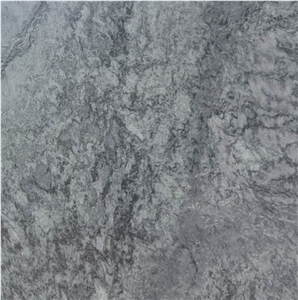
Green Iron Soapstone

About
Item Details
- Material Type:
- Soapstone
- Origin:
Brazil - Primary Color(s):
- Green
- Recommended Usage:
- Kitchen and bathroom countertops, monuments, building stone, ornamental stone, building stone, stairs, interior wall and floor applications, mosaic, waterjet pattern, wall panels, table tops, columns, fireplace surround
- Additional Names:
- Iron Green Soapstone, Malibu Green Soapstone, Verde Liana Soapstone, Green Wonder Soapstone, in China stone market:绿野仙踪(Lǜyě Xiānzōng), Green Iron Soapstone
- Finished Surface:
- Polished,Bush Hammered,Tumbled,Brushed,Honed,Split,Machine Cut,Natural Surface,Sandblasted,Combed,Leathered,Water Jet,Filled,Chiseled,Pickling
Testing
- Water Absorption:
- ~ 0.18% by weight
- Density:
- 2750 kg/m³
- Flexural Strength:
- ~ 18 – 25 MPa
- Compressive Strength:
- ~ 95 – 120 MPa
Description
Stone Type: Metamorphic rock (primarily Steatite)
Origin: Brazil
Trade Name: Green Iron Soapstone
Color, Texture & Pattern
- Base Color: Rich, deep sea green, almost dark jade or forest green
- Veining Colors:Indigo blue hues in flowing or diffuse patterns. Prominent cinnamon rusty brown / iron oxide veins that provide high contrast and character
- Texture: Smooth to touch in honed or oiled finish Naturally matte, soft surface. Becomes deeper and richer when treated with enhancers or mineral oils
- Pattern: Varied veining from fine threads to bold waves. Each slab has distinct composition and natural artistry. Color movement gives a living stone feel
Physical & Mechanical Properties
(Approximate Average Test Results)
- Density : ~ 2.75 g/cm³ (2750 kg/m³)
- Water Absorption : ~ 0.18% by weight
- Porosity : Low (1–2%)
- Flexural Strength : ~ 18 – 25 MPa
- Compressive Strength : ~ 95 – 120 MPa
- Mohs Hardness : ~ 2.5 – 3
- Slip Resistance : R9–R10 (dry), R11 (leathered/brushed)
- Thermal Resistance : Excellent – withstands direct heat without cracking
- Acid Resistance : Very high (non-reactive to acids)
Chemical Composition (% by Weight)
- Talc (Mg3Si4O10(OH)2) : 30–45%
- Magnesite (MgCO3) : 20–30%
- Chlorite : 5–10%
- Serpentine : 5–15%
- Iron Oxides (Fe2O3) : 2–4%
- Silica (SiO2) : 5–10%
- Other Minerals : Trace amounts (dolomite, carbonates, oxides)
Cutting Sizes (cm)
- Slabs: 2 cm and 3 cm thickness
- Dimensions: ~ 240–310 cm x 140–200 cm
- Tiles: 30x30, 30x60, 40x40, 60x60, 60x120 cm
- Custom cut-to-size available
- Countertops / Islands / Fireplaces / Vanity Tops: Custom dimensions, sink cut-outs, CNC profiles
Surface Finishes Available
- Honed : Smooth matte surface; most common; ideal for indoor use
- Oiled : Enhances green & blue tones; brings out rich veining
- Leathered : Textured, slip-resistant, tactile surface; excellent for kitchens
- Brushed : Slight grain, softened edges; accentuates veining
- Polished (less common) : Low gloss; soapstone doesn't polish to mirror sheen
- Natural : Raw, untreated look for rustic applications
Usage Applications
- Kitchen countertops and islands (resistant to heat and acids)
- Bathroom vanities and sink surrounds
- Fireplace surrounds and stove backsplashes
- Interior wall cladding
- Tabletops, bar counters, and windowsills
- Floor tiles (in non-high-traffic zones)
- Outdoor BBQ countertops (in dry climates)
Maintenance Recommendations
- No sealing needed (non-porous and inert)
- Apply mineral oil or stone enhancer to darken surface and enrich color; reapply as needed
- Scratch repairable – can be sanded and reoiled
- Clean with mild soap and warm water
- Avoid abrasive scrubbers
FAQ
Yes, Brazils Green Iron Soapstone can be used in wall coverings. Soapstone is a versatile natural stone that is often used for various architectural and interior design applications, including wall coverings. Its unique composition and properties, such as high heat resistance and durability, make it suitable for wall installations. The green iron soapstone, specifically, features a beautiful green color with intricate veining, which can add an elegant and natural touch to walls.
How thick is Brazil's Green Iron Soapstone slabs?
The thickness of Brazils Green Iron Soapstone slabs can vary, but the standard thickness available is typically around 3 centimeters (1.18 inches). However, thicker slabs of around 5 centimeters (1.97 inches) or more can also be found.
Can Brazil's Green Iron Soapstone be used in a kitchen?
Yes, Brazils Green Iron Soapstone can be used in a kitchen. Soapstone is a natural stone that is well-suited for use in kitchens due to its heat resistance and durability. It can withstand high temperatures, making it suitable for countertops, sinks, and even oven surrounds. Additionally, soapstone is naturally non-porous, which means it is resistant to staining. This makes it a practical choice for use in the kitchen, as it will not absorb liquids and is easy to clean.
Can Brazil's Green Iron Soapstone be used exterior applications in very humid climates?
According to the information available, Brazils Green Iron Soapstone can be used for exterior applications in very humid climates. Soapstone is known for its excellent resistance to moisture and humidity, making it suitable for outdoor use in such conditions. However, it is always recommended to consult with a professional or supplier who can provide more specific guidance based on the circumstances and requirements of your project.
What is the coefficient of friction of Filled Brazil's Green Iron Soapstone tiles?
The coefficient of friction of Filled Brazils Green Iron Soapstone tiles is not provided in the given information.
What grade is Brazil's Green Iron Soapstone?
Brazils Green Iron Soapstone is typically categorized as a grade B or C soapstone.
Are there color variations of Brazil's Green Iron Soapstone?
Yes, there are different variations of Brazils Green Iron Soapstone. The color can range from light to dark green, and sometimes even have brown or gray undertones. The amount of iron content within the soapstone can also affect the coloration.
Is Brazil's Green Iron Soapstone an expensive stone?
I dont have access to real-time pricing information. However, Brazilian Green Iron Soapstone is considered a relatively affordable stone compared to other exotic stones. The cost of the stone can vary depending on various factors such as its quality, size, and availability.


6YR