Post Your Needs

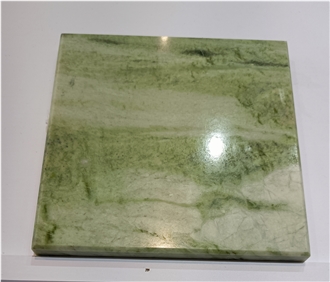
Green Jadeite Marble

Marble

Viet Nam

About

Item Details

Material Type:
Marble
Origin:
Viet Nam (Yen Bai)
Recommended Usage:
Kitchen and bathroom countertops, wash basins, building stone, ornamental stone, stairs, interior, exterior wall and floor applications, mosaic, waterjet pattern, wall panels, table tops, balustrades, columns, wall and pool copings, pool pavers, sculptures, fireplaces
Additional Names:
Emerald Jade Marble, Green Jade Marble, Jade Green Marble, in China stone market:绿翡翠(Lǜ Fěicuì), Green Jadeite Marble
Finished Surface:
Polished,Bush Hammered,Tumbled,Brushed,Honed,Split,Machine Cut,Natural Surface,Sandblasted,Combed,Leathered,Water Jet,Chiseled,Pickling

Testing

Water Absorption:
≤0.25% by weight
Density:
265 0- 2700 Kg/m³
Flexural Strength:
7 - 12 MPa
Compressive Strength:
80–100 MPa

Description

Green Jadeite Marble is a natural marble celebrated for its vibrant, jewel-toned green color. The stone exhibits a color spectrum ranging from deep forest and emerald green to lighter celadon and sage hues, creating a luxurious and visually striking appearance. Its rich, natural tones make it ideal for premium interior and decorative applications.

Texture & Pattern

  • Texture: Fine to medium crystalline structure, smooth and dense
  • Pattern: Dynamic natural veining, with occasional white or lighter green streaks and soft cloud-like transitions
  • Visual Appeal: Each slab features unique variations, making every piece distinct; provides a luxurious, exotic look for design focal points

Technical Specifications (Typical Values)

Values may vary slightly depending on quarry block.

  • Compressive Strength: ~80–100 MPa
  • Water Absorption: ≤0.25% by weight
  • Mohs Hardness: 3–4

Chemical Composition (% by weight):

  • Calcium Carbonate (CaCO₃): ~90–95%
  • Silica (SiO₂): ~2–5%
  • Other minerals: ~1–3%

Mineral Composition (% by weight):

Predominantly calcite, with serpentine, mica, and trace accessory minerals

Usage & Applications

  • Interior wall cladding and accent panels
  • Countertops, vanity tops, and tabletops
  • Flooring for luxury residential and commercial spaces
  • Decorative elements: fireplaces, sculptures, and furniture
  • Feature walls and high-end architectural installations
  • Outdoor use is possible in protected areas, but avoid direct exposure to acidic substances to preserve color and finish.

Maintenance

  • Clean with neutral pH stone cleaners
  • Avoid acidic or abrasive cleaning agents
  • Periodically seal surfaces to enhance longevity and reduce staining
  • Wipe spills promptly to maintain the stone’s vibrant color

FAQ

Does the surface of Green Jadeite Marble scratch easily?

Green jadeite marble is a type of natural stone, and like most marbles, it is relatively soft compared to other materials such as granite. This means that its surface can be more prone to scratching and etching, especially when exposed to abrasive materials, sharp objects, or acidic substances. To keep the surface looking its best, its important to handle it with care. Using cutting boards, coasters, and placemats can help protect the marble from direct contact with potentially damaging materials. Regular sealing can also help protect the surface from stains and scratches, although it will not make it completely scratch-proof. Regular cleaning with pH-neutral cleaners is recommended to maintain its appearance. If you do notice scratches, there are professional methods to restore the surface, such as polishing or honing, which can remove superficial scratches and revive the appearance of the marble.

Can polished finish surface Green Jadeite Marble be used for pool coping?

Using polished Green Jadeite Marble for pool coping is possible, but there are several factors to consider before making a decision. 1. **Slip Resistance**: Polished marble surfaces can be quite slippery when wet, which may pose safety concerns around a pool area. If slip resistance is a priority, you might want to consider a honed or textured finish instead. 2. **Durability**: Marble, including Jadeite Marble, is a relatively soft and porous stone compared to other natural stones like granite. It can be prone to scratching, chipping, and staining, especially in an outdoor environment subjected to water, pool chemicals, and weathering. 3. **Chemical Resistance**: Pool water is often treated with chlorine or other chemicals that can damage marble over time. This can lead to etching or discoloration. Regular maintenance and sealing can mitigate some of these effects but may require more upkeep compared to other materials. 4. **Aesthetics**: Green Jadeite Marble has a unique and luxurious appearance, and if aesthetics are your main priority, it can be a beautiful addition to your pool area. Ensure it complements the overall design and environment. 5. **Climate Impact**: In regions with freeze-thaw cycles, natural stone like marble can be more prone to cracking and damage as the stone absorbs water and then freezes. For a pool coping application that balances aesthetic appeal with durability and safety, you might also consider materials specifically designed for outdoor use, such as special non-slip tiles or stones with a naturally rough texture, which are more suited for wet conditions. If you still prefer polished Green Jadeite Marble, ensure its properly sealed, maintained, and has appropriate safety measures in place.

How can I give Green Jadeite Marble tiles an antique look?

Giving Green Jadeite Marble tiles an antique look involves a few steps to create a sense of age and patina while maintaining the natural beauty of the stone. Here’s a guide to achieve that antique appearance: 1. **Clean the Surface**: Start by thoroughly cleaning the tiles to remove any dust, dirt, or sealants that may be present. Use a mild, pH-neutral stone cleaner and a soft cloth or sponge. 2. **Apply a Chemical Etcher**: To give the marble an aged appearance, you can use a chemical etching product specifically designed for marble. These products mildly corrode the surface to dull the natural shine, making the stone appear more worn. Follow the instructions provided with the etcher carefully, and ensure you use protective gear like gloves and goggles. 3. **Hand Sanding**: Lightly sand the surface with very fine sandpaper (e.g., 400 or 600 grit) in circular motions to emulate wear. This step is optional and should be done carefully to avoid scratching the stone. 4. **Apply a Stain or Antiquing Glaze**: Use a color-enhancing stain or antiquing glaze to deepen the color of the marble, giving it a warm, aged look. Test the product on a small area first to ensure satisfaction with the color. Apply with a cloth and wipe off any excess. 5. **Polish or Wax**: After the glaze or stain has dried, you can optionally apply a wax or a low-shine stone polish. This will protect the marble while keeping the antique look subtle. 6. **Buff the Tiles**: Use a soft cloth or a buffing pad to lightly buff the surface in small sections. This step helps to create a soft sheen, reminiscent of aged marble. 7. **Seal the Surface**: Finally, apply a high-quality marble sealer to protect the tiles from stains and further wear. Make sure to choose a sealer that is suitable for etched marble surfaces. 8. **Regular Maintenance**: To maintain the antique look, regularly clean the marble with a pH-neutral cleaner and avoid harsh chemicals that can strip the finish. Keep in mind that some methods might affect the marble permanently, so its wise to test each technique on a small, inconspicuous area first. Altering the appearance of marble also requires care to preserve the stones integrity.

How can I restore the appearance of a Green Jadeite Marble tabletop to make it look new again?

Restoring the appearance of a Green Jadeite Marble tabletop involves cleaning, polishing, and sealing the surface. Heres a step-by-step guide to help you make it look new again: 1. **Clean the Surface:** - Remove any dust or debris using a soft, dry microfiber cloth. - Mix a gentle cleaning solution using warm water and a few drops of a pH-neutral stone or dish soap. - Dip a soft cloth or sponge into the solution and gently wipe the tabletop to remove any stains or grime. Avoid using abrasive cleaners or acidic substances like vinegar or lemon juice, which can damage the marble. 2. **Remove Stains:** - For persistent stains, prepare a poultice with baking soda and water (for oil-based stains) or hydrogen peroxide (for organic stains). The consistency should be like a thick paste. - Apply the poultice over the stain, cover it with plastic wrap, and seal the edges with tape. Leave it for 24-48 hours to allow the poultice to draw out the stain from the marble. - Gently remove the poultice with a damp cloth and rinse the area thoroughly with water. 3. **Buff the Surface:** - Use a dry, soft microfiber cloth to buff the surface in circular motions. This will help restore some of the marbles natural shine. 4. **Polish the Marble:** - Purchase a marble polishing powder or cream specifically designed for use on Jadeite or green marble. - Follow the product instructions carefully, usually involving sprinkling the powder on the surface and using a damp cloth to polish the marble in circular motions, gradually increasing pressure. - Rinse the tabletop thoroughly and dry it with a clean microfiber cloth. 5. **Seal the Marble:** - Apply a high-quality marble sealer to protect the surface from future stains and scratches. Ensure the tabletop is completely dry and clean before applying. - Follow the manufacturers instructions for application, typically involving spreading an even layer of sealer with a clean cloth, allowing it to penetrate, and then wiping off any excess. - Allow adequate time for the sealer to cure, as specified in the product instructions. 6. **Routine Maintenance:** - Regularly clean the tabletop with a mild soap solution and a soft cloth to maintain its appearance. - Avoid placing hot items directly on the marble, and use coasters or mats to prevent scratches and stains. By following these steps, you should be able to restore the appearance of your Green Jadeite Marble tabletop, making it look as vibrant and polished as new.

Can 2cm thickness Green Jadeite Marble be used for stair steps?

Using 2cm thick Green Jadeite Marble for stair steps is possible, but there are several factors to consider to ensure safety and durability: 1. **Strength and Durability**: Marble, including jadeite marble, is a relatively soft stone compared to other materials like granite. Although 2cm thickness is generally adequate for many types of marble installations, it’s essential to confirm with your supplier or a structural engineer that this specific marble variety can handle the expected foot traffic and load on stair steps without cracking. 2. **Support and Installation**: Proper substrate support is crucial. Ensure that the stairs are adequately supported to prevent any flexing or movement, which can lead to cracking. A professional installer with experience in stone stairs is recommended to ensure a secure and lasting installation. 3. **Surface Finish**: Consider the finish of the marble. A polished finish can be slippery when wet, so a honed, brushed, or otherwise textured finish might be more suitable for stair treads to provide better traction and reduce the risk of slipping. 4. **Maintenance**: Marble requires regular maintenance to keep it looking good. It can be prone to staining and etching from acidic substances. Ensure that it is sealed properly and resealed periodically as part of routine maintenance. 5. **Aesthetic**: Green Jadeite Marble can create a stunning visual effect, but ensure it matches the design and style of the space to avoid potential aesthetic issues. 6. **Cost**: Be mindful of the cost, as marble can be quite expensive, both in terms of the material itself and the installation, which typically requires skilled labor. Before proceeding with your project, consult with architects, designers, or stone specialists who can assess your specific situation and provide tailored advice based on the site conditions and intended use.

Is Green Jadeite Marble suitable to use for sculpturing?

Green Jadeite Marble can potentially be used for sculpting, but there are several factors to consider before choosing it as a material for sculpture. Jadeite itself is a type of pyroxene mineral and is known for its toughness and beautiful color, usually found in shades of green. However, Green Jadeite Marble might refer to a type of marble with a jade-like appearance rather than actual jadeite. Here are some considerations: 1. **Material Properties**: True jadeite is very hard and tough, which can make it challenging to carve but highly durable once shaped. Marble, on the other hand, is softer and more easily carved, commonly used in traditional sculpture. 2. **Workability**: If the material is more like marble with a jade-like appearance, it might be more suitable for detailed carving due to marbles softer nature compared to actual jadeite. 3. **Aesthetic**: This material could offer a unique and appealing appearance, often prized for its rich color and potential translucency. 4. **Tools and Techniques**: Working with a material that combines properties of jadeite and marble may require specialized tools and techniques, especially if the material is particularly hard or has unique fracture patterns. 5. **Purpose and Location**: Consider the intended purpose of the sculpture and its location. For outdoor sculptures, factors like weathering and durability are important. 6. **Budget and Availability**: Genuine jadeite can be expensive and difficult to source, while marble tends to be more widely available and cost-effective. Before proceeding, it might be beneficial to work with a sample of the material to understand its properties better and consult with sculptors experienced with similar materials.

Does coffee stain the surface of Green Jadeite Marble?

Yes, coffee can stain the surface of Green Jadeite Marble. Marble is a porous natural stone, which means it can absorb liquids and be susceptible to staining. The pigments and oils in coffee can penetrate the stone, leading to discoloration. To prevent staining, its important to clean up spills immediately and consider sealing the marble surface to create a protective barrier. Regular maintenance and sealing can help minimize the risk of damage from coffee and other substances.

Products & Prices

View More

Hot Marble

New Marble

Post Your Request

The request includes:
  1. surface finished, size
  2. quantity required