Post Your Needs

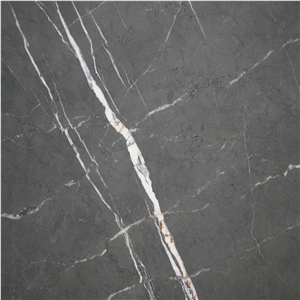
Grey Apricot Marble

Grey - Marble

Viet Nam

About

Item Details

Material Type:
Marble
Origin:
Viet Nam (Yen Bai, north-east region of Vietnam)
Primary Color(s):
Grey
Recommended Usage:
Kitchen and bathroom countertops, wash basins, building stone, ornamental stone, stairs, interior, exterior wall and floor applications, mosaic, waterjet pattern, wall panels, table tops, balustrades, columns, wall and pool copings, pool pavers, sculptures, fireplaces
Additional Names:
Apricot Blossom Marble, Yen Bai Grey Marble, Gray Apricot Marble, Grey Apricot Marble
Finished Surface:
Polished,Bush Hammered,Tumbled,Brushed,Honed,Split,Machine Cut,Natural Surface,Sandblasted,Combed,Leathered,Water Jet,Filled,Chiseled,Pickling

Testing

Water Absorption:
0.2% to 0.35% by weight
Density:
2690 - 2730 Kg/m³
Flexural Strength:
12 - 15 MPa
Compressive Strength:
90 - 115 MPa
Stone texture:
features a creamy grey background with light, earthy tones and delicate apricot-colored veins. The variations in veining mean each slab is unique

Description

Grey Apricot Marble is a distinctive and elegant natural stone quarried in Yen Bai, a province in the northeast region of Vietnam. Its aesthetic appeal lies in its creamy grey background, complemented by earthy tones and delicate apricot-colored veins, which enhance its uniqueness and visual allure. The inherent variability in veining ensures that each slab of Grey Apricot Marble is one-of-a-kind.

Physical and Mechanical Properties:

  • Water Absorption: Typically low, generally around 0.2% to 0.35%, indicating good resistance to moisture.
  • Density: Approximately 2.69 to 2.73 g/cm³, which is indicative of its robustness.
  • Flexural Strength: Generally ranges from 12 to 15 MPa, reflecting its ability to bend without breaking.
  • Compressive Strength: Around 90 to 115 MPa, making it suitable for structural applications.
  • Hardness: Measures roughly 3 to 4 on the Mohs scale, making it relatively easy to cut and shape.
  • Porosity: Low porosity, contributing to its durability and stain resistance.
  • Slip Resistance: Varies depending on the finish; honed and polished finishes have lower slip resistance, while textured finishes increase it.

Chemical and Mineral Composition:

  • Calcium Carbonate (CaCO3): Approximately 90-95% by weight, the predominant mineral in marble.
  • Quartz (SiO2): Usually present in small amounts, around 1-2%.
  • Iron Oxides (Fe2O3): Impart the distinctive earthy tones and apricot-colored veining, generally less than 1-2%.
  • Other Minerals: Traces of mica, clay, and organic compounds may be present.

Usage:

  • Interior Flooring and Wall Cladding: Highly suited for both residential and commercial spaces due to its aesthetic appeal and durability.
  • Bathroom and Kitchen Countertops: Its resistance to moisture makes it an excellent choice for wet areas.
  • Feature Walls and Decorative Items: Due to its unique veining and color patterns.
  • Staircases and Fireplace Surrounds: Offers elegance and robustness.

Maintenance:

  • Regular Cleaning: Use a soft cloth or mop with a gentle cleanser to maintain its polished look.
  • Sealant Application: Recommend applying a sealant every year to enhance stain resistance.
  • Avoid Harsh Chemicals: Use pH-neutral cleaners to prevent etching or damage.

Cutting Sizes (cm):

  • Commonly available in slabs measuring approximately 240 cm x 120 cm and thicker pieces for structural use.
  • Custom sizes can be cut to suit specific project requirements.

Surface Finish Options:

  • Polished: Provides a high-gloss finish that enhances the color and veining.
  • Honed: Offers a matte finish suitable for areas where slip resistance is important.
  • Brushed: Gives a textured appearance with a more rustic feel.
  • Sandblasted: Provides a rough finish that enhances grip and slip resistance.

Grey Apricot Marble combines physical durability with aesthetic elegance, making it a popular choice for a variety of architectural and decorative applications. Its maintenance is straightforward, and it provides a timeless look that enhances any space.

FAQ

What is the coefficient of friction of Combed Viet Nam's Grey Apricot Marble tiles?

The coefficient of friction of Combed Vietnams Grey Apricot Marble tiles may vary depending on several factors, including the specific finish or surface treatment applied to the tiles. Without specific information, it is challenging to provide an accurate value for the coefficient of friction. It is recommended to consult the manufacturer or supplier of the tiles for the most precise coefficient of friction information.

Can Viet Nam's Grey Apricot Marble be used exterior applications in very dusty climates?

Vietnams Grey Apricot Marble is a type of natural stone that can be used for various applications, including exterior use. However, its important to consider the specific climate conditions before making a final decision. In very dusty climates, the constant exposure to dust and other particulate matter can cause damage and degradation to the surface of the marble over time. The fine dust particles can settle onto the surface and get trapped in the pores of the stone, causing it to lose its natural shine and potentially staining the surface. To ensure the longevity and durability of Grey Apricot Marble in very dusty climates, there are a few measures that can be taken: 1. Regular Cleaning: Regular cleaning and maintenance are essential for exterior marble surfaces. Dust and debris should be removed regularly using a soft brush or mop. 2. Proper Sealing: Applying a high-quality sealant specifically designed for marble can help reduce the absorption of dust, dirt, and water into the stone. This protective barrier can make it easier to clean and maintain the marble in dusty conditions. 3. Sheltered Installations: If possible, consider using the Grey Apricot Marble in more sheltered areas where it is less exposed to direct dust accumulation. For example, using it for covered walkways or protected outdoor areas can minimize the amount of dust settling on the surface. 4. Regular Maintenance: Periodic professional maintenance, such as polishing and resealing, can restore and protect the marbles appearance and performance. Its essential to consult with experts or professionals who have experience working with Grey Apricot Marble in dusty climates. They can provide specific guidance on maintenance practices and ensure that the stone retains its natural beauty even in challenging environments.

Can Viet Nam's Grey Apricot Marble be used in a office?

Yes, Vietnams Grey Apricot Marble can be used in an office setting. Grey Apricot Marble is a beautiful and stylish choice for office interiors due to its elegant grey coloration with subtle apricot veining. It can be used for various applications such as flooring, wall cladding, reception desks, countertops, and conference tables, among others. The natural veining and unique patterns of this marble can add a luxurious and sophisticated touch to any office space. Additionally, Grey Apricot Marble is known for its durability and longevity, making it suitable for high-traffic areas in offices.

Can Viet Nam's Grey Apricot Marble be used outdoors?

Yes, Vietnams Grey Apricot Marble can be used outdoors. It is a natural stone that is known for its durability and resistance to weathering. Its gray color and smooth texture make it a popular choice for various outdoor applications such as paving, landscaping, wall cladding, and even exterior sculptures. However, it is important to note that proper sealing and maintenance are required to ensure its longevity and maintain its aesthetic appeal when used in outdoor environments.

How thick is Viet Nam's Grey Apricot Marble slabs?

The thickness of Vietnams Grey Apricot Marble slabs can vary, but it is commonly available in thicknesses of 2 cm (0.78 inches) and 3 cm (1.18 inches). These are the standard thickness options for marble slabs in the construction and architectural industry.

Are there color variations of Viet Nam's Grey Apricot Marble?

Yes, there can be slight color variations in the Grey Apricot Marble found in Vietnam. The base color of the marble is typically grey, but it can range from light grey to dark grey. Additionally, there may be variations in the apricot veining, which can range from pale yellow to slightly orange or brownish tones. These variations are natural and can add to the unique and aesthetic appeal of the marble.

What grade is Viet Nam's Grey Apricot Marble?

Viet Nams Grey Apricot Marble is not typically assigned a specific grade like those given to students in an academic setting. However, in terms of quality, Grey Apricot Marble from Viet Nam is known for its natural beauty, durability, and unique coloration.

Can Viet Nam's Grey Apricot Marble be used in heavy use areas?

Vietnams Grey Apricot Marble can be used in heavy use areas, but its durability may vary depending on factors such as the quality of the specific marble slab, the thickness of the marble used, and the maintenance and care given to the surface. Marble is a natural stone that is inherently porous and softer compared to other materials like granite. This means that it can be susceptible to scratching, staining, and etching if not properly cared for. In heavy use areas with high foot traffic or where there is a potential for heavy impacts, the marble may wear more quickly and show signs of wear and tear over time. To ensure the longevity and durability of Grey Apricot Marble in heavy use areas, it is recommended to: 1. Choose a high-quality marble slab with fewer natural variations and imperfections. 2. Opt for a thicker marble slab to increase its strength and resistance to impact. 3. Apply a sealant to the marble surface to protect it from stains and etching. 4. Regularly clean the marble using mild, pH-neutral cleaners and avoid abrasive cleaning tools. 5. Use mats or rugs in high traffic areas to reduce the likelihood of scratching. 6. Avoid placing heavy objects directly on the marble surface to prevent cracking or chipping. By following these guidelines and maintaining proper care, Grey Apricot Marble can still be a suitable choice for heavy use areas, offering an elegant and unique aesthetic. It is advisable to consult with a professional or marble supplier for specific recommendations based on your intended use and location.

Is Viet Nam's Grey Apricot Marble an expensive stone?

I dont have access to current market prices. However, in general, Grey Apricot Marble from Vietnam is considered a high-quality and premium material, which typically comes at a higher cost compared to other marble options. The cost also varies depending on factors such as the size of the slab, thickness, location of the quarry, availability, and demand.

Products & Prices

View More

Hot Grey Marble

New Marble

Post Your Request

The request includes:
  1. surface finished, size
  2. quantity required