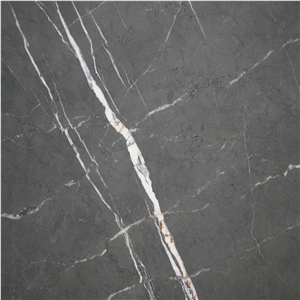
Chinas Grey Cream Marble can be used for exterior applications in rainy climates, but it is important to consider several factors before making a decision.
1. Porosity: Marble is a natural stone and is inherently porous. This means it can absorb water if not properly sealed or treated. In very rainy climates, the excess moisture may penetrate the stone, potentially leading to staining, discoloration, or damage over time. It is crucial to ensure that the marble is properly sealed and maintained to prevent water absorption.
2. Slippage: Marble can become slippery when wet, which may pose a safety hazard in exterior applications (e.g., outdoor flooring or stairs). To minimize this risk, the marble can be honed or textured to provide a more slip-resistant surface.
3. Weathering: Marble is susceptible to weathering and environmental factors, such as acid rain or freeze-thaw cycles. In very rainy climates, where rainfall is accompanied by chemical pollutants or extreme temperature changes, the marbles appearance and structural integrity may be compromised over time. Regular maintenance and proper sealing can help mitigate these issues.
4. Alternative options: If the climate is consistently rainy and the exterior application is subjected to continuous exposure to moisture, it may be advisable to consider alternative materials that are specifically designed for such conditions, such as porcelain or granite. These materials are generally more resistant to moisture, staining, and weathering.
Ultimately, the suitability of Chinas Grey Cream Marble for exterior applications in very rainy climates will depend on how well it is sealed, maintained, and the specific conditions it is subjected to. It is recommended to consult with professionals or stone suppliers who have experience with marble in similar climates to make an informed decision.


 China

 4YR


 Turkey


 Italy

 Iran


