Post Your Needs

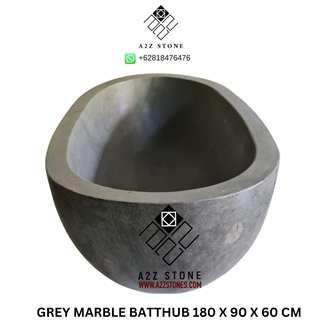
Grey River Marble

Marble

Turkey

About

Item Details

Material Type:
Marble
Origin:
Turkey
Recommended Usage:
Kitchen and bathroom countertops, monuments, building stone, ornamental stone, stairs, interior, exterior wall and floor applications, mosaic, waterjet pattern, wall panels, table tops, window sills, balustrades, columns, wall and pool copings, pool pavers, sculptures, fireplaces, pavers
Additional Names:
Gray River Marble, River Gray Marble, Grey River Marble
Finished Surface:
Polished,Bush Hammered,Tumbled,Brushed,Honed,Split,Machine Cut,Natural Surface,Sandblasted,Combed,Leathered,Water Jet,Filled,Chiseled,Pickling

Description

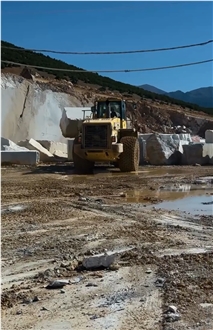
Grey River Marble is a distinguished natural stone renowned for its earthy gray background adorned with delicate white streaks and features, showcasing a range of light to dark gray hues. Quarried in Turkey, this marble exudes a timeless elegance and sophistication, making it a sought-after choice for architectural and design projects.

The primary characteristic of Grey River Marble is its earthy gray background color, which serves as a versatile backdrop for a variety of design styles and color schemes. This soft, neutral hue creates a sense of calm and serenity in any space, making it ideal for both residential and commercial applications.

Complementing the earthy gray background are delicate white streaks and features that meander gracefully across the surface of the marble. These subtle accents add depth and dimension to the stone, enhancing its overall visual appeal and creating a sense of movement and texture.

The range of light to dark gray hues present in Grey River Marble adds further complexity and interest to its appearance. From soft, muted tones to deeper, richer shades, this marble offers a dynamic and versatile palette that can be tailored to suit a variety of design preferences.

Overall, Grey River Marble stands as a testament to the natural beauty and versatility of Turkish marble. With its earthy gray background, delicate white streaks, and range of gray hues, it continues to captivate designers and homeowners alike, bringing a sense of sophistication and refinement to any interior or exterior space.

FAQ

How can I repair the scratched surface of the Grey River Marble countertop?

Repairing a scratched Grey River Marble countertop involves several steps to restore its appearance. Here’s a method you can follow: 1. **Clean the Surface:** - Begin by thoroughly cleaning the countertop to remove any dirt or debris. Use a mild dish soap mixed with water applied with a soft cloth or sponge, then dry with a clean towel. 2. **Assess the Damage:** - Determine the depth of the scratches. For superficial scratches, a simple polish might suffice, while deeper scratches may require more intensive treatment. 3. **Use Marble Polishing Powder:** - Obtain a marble polishing powder designed specifically for marble surfaces. - Dampen the scratched area with water and apply a small amount of the polishing powder. - Use a damp cloth and rub the powder onto the scratch in circular motions. Apply even pressure, and continue until the scratch seems to be improving. 4. **Rinse and Repeat:** - Rinse the area with clean water and dry it with a soft cloth to check the progress. If the scratch is still visible, you may need to repeat the polishing process. 5. **Buff the Surface:** - Once the scratches are removed, buff the surface with a dry, soft cloth to restore the shine and blend the repaired area with the rest of the countertop. 6. **Seal the Marble (Optional):** - If necessary, consider sealing the marble to protect it from future damage and stains. Make sure to use a sealant specifically designed for marble and follow the manufacturer’s instructions. 7. **Consider Professional Help:** - If the scratches are deep or extensive and do not improve with DIY methods, it might be best to consult a professional marble restorer. They have the proper tools and expertise to repair and polish your countertop effectively. 8. **Prevention:** - Use cutting boards, trivets, and coasters to protect the marble from future scratches and stains. ``` By following these steps, you should be able to restore the appearance of your Grey River Marble countertop and maintain its beauty.

Is Grey River Marble with a sandblasted surface good for interior flooring?

Grey River Marble with a sandblasted surface can be a good option for interior flooring, but there are several factors to consider before making a decision. Here are some of the pros and cons: ### Pros: 1. **Aesthetic Appeal**: Grey marble tends to have a timeless and elegant look, which can add a sophisticated touch to any interior space. 2. **Non-Slip Surface**: The sandblasted finish helps to create a textured surface that provides more grip compared to polished marble, reducing the risk of slipping. 3. **Durability**: Marble is a strong and durable stone, capable of withstanding significant foot traffic in indoor spaces. ### Cons: 1. **Maintenance**: Marble requires regular maintenance to keep it looking its best. Youll need to seal the surface periodically to prevent stains and etching, especially in high-traffic areas. 2. **Softness**: While durable, marble is softer than other types of stone like granite, making it more susceptible to scratches and chips. 3. **Porosity**: Marble is a porous material, so it can absorb spills and stains if not properly sealed. 4. **Cost**: Natural stone like marble can be more expensive than other flooring options, both in terms of material and installation costs. ### Considerations: - Ensure that the space is suitable for a sandblasted marble surface in terms of moisture and usage. - Consider the level of foot traffic the area will experience, as high traffic can lead to faster wear and tear. - Be prepared for routine cleaning and periodic maintenance to preserve the floorings appearance and longevity. Ultimately, the suitability of Grey River Marble with a sandblasted finish for your interior flooring depends on your specific needs, preferences, and the environment of the space where it will be installed.

Is Grey River Marble a suitable choice for facade?

Grey River Marble can be a suitable choice for a facade, depending on several factors. Here are some considerations to keep in mind: 1. **Aesthetics**: Grey River Marble typically has a unique and attractive pattern with a gray background, which can give a modern and elegant look to a building facade. 2. **Durability**: Marble, in general, is a durable material, but it is important to assess the specific varietys resistance to weathering and environmental conditions. Some marbles may be more prone to erosion or discoloration over time when exposed to harsh climates. 3. **Maintenance**: Marble facades may require regular maintenance to keep them in good condition, including cleaning and sealing to protect against staining and acid rain. 4. **Cost**: Marble is often more expensive than other facade materials like brick or concrete, so budget considerations are important. 5. **Environmental Considerations**: Consider the environmental impact of quarrying and transporting the marble, as well as its thermal properties which might affect the buildings energy efficiency. 6. **Engineering Considerations**: Ensure that the building’s design can support the weight of the marble and that it is installed properly to prevent issues like water infiltration. 7. **Local Regulations**: Check any local building codes or regulations regarding the use of natural stone on facades. Consulting with architects or designers experienced in using marble for facades is essential to determine if Grey River Marble is the best choice for your specific project.

Can 18mm thick Grey River Marble be used for commercial building stair steps?

Using 18mm thick Grey River Marble for commercial building stair steps is generally feasible, but there are several factors to consider before proceeding with this choice: 1. **Durability and Strength**: Marble is a durable material, but its softer and more prone to scratching and chipping compared to other natural stones like granite. For commercial buildings with high foot traffic, this could be a concern. 2. **Thickness**: While 18mm thickness can suffice for stairs, its on the thinner side for heavy commercial use. Reinforcing the marble with a backing material or choosing a thicker slab might be necessary to ensure durability and safety. 3. **Slip Resistance**: Marble is naturally smooth, which can be slippery, especially when wet. To reduce the risk of slips and falls, consider a honed finish rather than a polished one, or apply non-slip coatings or treatments. 4. **Maintenance**: Marble requires regular maintenance to keep it looking its best. In a commercial setting, this might translate to higher ongoing maintenance costs, including regular cleaning and sealing. 5. **Aesthetic Considerations**: Marble provides a luxurious and elegant appearance, which can enhance the aesthetic appeal of a building. Grey River Marble has a distinctive look that might complement your design vision. 6. **Building Codes and Safety Regulations**: Ensure that using marble for stair steps complies with local building codes and safety regulations. This includes checking for load-bearing requirements and slip resistance standards. 7. **Cost**: Natural stone like marble can be more expensive than other materials like concrete or tile. Consider your budget and whether the benefits of using marble justify the cost. Consult with architects or engineers to ensure that the material is suitable for your specific project needs. They can provide guidance based on structural requirements and local building codes.

Do fruit juices stain the surface of Grey River Marble kitchen countertop?

Yes, fruit juices can potentially stain Grey River Marble countertops. Marble is a porous natural stone, which means it can absorb liquids and become stained if spills are not cleaned up promptly. Acidic substances, such as citrus juices, can etch the surface and leave behind stains if they sit on the marble for too long. To prevent staining, it is important to wipe up spills immediately and use a pH-neutral cleaner for regular maintenance. Additionally, sealing your marble countertop can provide some protection against stains, but it is important to reseal it periodically as recommended by the manufacturer.

Is Grey River Marble durable enough for use as walkway pavers?

Grey River Marble, like other marbles, is a natural stone that is known for its beauty and elegance. However, when considering it for use as walkway pavers, there are several factors to take into account regarding its durability and suitability: 1. **Porosity and Water Absorption:** Marble is porous and can absorb water, which may lead to cracking or erosion over time, particularly in freeze-thaw climates. Its important to ensure that the marble is sealed properly to mitigate water absorption. 2. **Wear and Tear:** Marble is softer than other stones like granite. This means it can scratch, chip, and wear down more easily under heavy foot traffic or from abrasive materials. For high traffic areas, durability might be a concern. 3. **Weather Resistance:** Exposure to the elements can affect marbles longevity and appearance. It can endure weathering, but acidic rain and pollution can cause etching or discoloration over time. 4. **Maintenance:** To keep marble looking its best, regular maintenance, including sealing, cleaning, and polishing, is required, which might be more demanding compared to other materials better suited for exterior applications. 5. **Cost:** Marble can be more expensive than other paving materials, both in terms of initial cost and maintenance. While Grey River Marble can be used as walkway pavers, it is essential to consider these factors and possibly consult with a professional to see if it meets your specific needs and local environmental conditions. For a more durable and low-maintenance option, alternative materials like granite or concrete might be more suitable for outdoor walkways.

Does the surface of Grey River Marble scratch easily?

Grey River Marble, like many other types of marble, is a relatively soft and porous natural stone. This means it is susceptible to scratching, especially when compared to harder materials like granite or quartz. Marbles susceptibility to scratches is due to its composition, primarily of calcite, which is a softer mineral. To minimize scratching, it is essential to take care by using cutting boards, trivets, and coasters, and by avoiding dragging heavy or sharp objects across its surface. Additionally, regular sealing can help protect the marble from damage and maintain its appearance.

Products & Prices

View More

Hot Marble

New Marble

Post Your Request

The request includes:
  1. surface finished, size
  2. quantity required